


Support 24/7
Text 215-766-5665

✕

Support 24/7
Text 215-766-5665

Support 24/7
Text 215-766-5665

✕

Support 24/7
Text 215-766-5665

April 18, 2023

Tyndale Honors Linemen April 18th for National Lineman Appreciation Day

National Lineman Appreciation Day was celebrated for the first time in 2013 after the U.S. Senate approved Resolution 95 recognizing and honoring linemen for the “contributions of these brave men and women who protect public safety.” Join Tyndale today along with electric utilities, friends, and family across the nation in […]
December 2, 2022

Arc Ratings for FR Clothing: What is the Difference Between ATPV and EBT?

To better understand arc ratings – what they are and the difference between the two ways they are measured – we define them below and link back to Tyndale’s Arc Week Season 3, which covers the science behind all things arc flash. What is an Arc Rating? Simply put, an […]
February 26, 2019

Do OSHA 1910.269 PPE Rules Impact Oil, Gas, and Other Industries?

OSHA’s 1910.269 ruling for the electric utility industry defines FR clothing as PPE–similar to 2010’s OSHA 1910.132 Enforcement Policy Memo regarding protection from flash fire in oil and gas well drilling, servicing, and production-related operations. In fact, the Preamble to the 1910.269 ruling introduces additional commentary from OSHA that paints […]
February 13, 2019

Tyndale’s Step by Step Guide to 1910.269 Compliance for Contractors

In April 2014, OSHA issued a ruling that clarified and expanded employers’ responsibility to protect employees from arc flash hazards.  This ruling – 29 CFR 1910.269 and 1926 subpart V, standards governing workplace safety in electric power generation, transmission and distribution work – has been enforced since August 31, 2015. […]
February 6, 2019

The Power of Layering, in the Palm of Your Hand!

If you’re thinking about layering arc-rated flame resistant (FR) garments to achieve a desired level of arc flash protection, please remember – it’s not safe to simply add the arc ratings together. The only way to know the true level of protection provided by the layers combined is to arc […]
January 30, 2019

Tyndale’s 2018 Top 10 Blog Posts

We hope your new year is off to a wonderful start! 2018 was a great year for innovation and education in the FR clothing industry. We’ve gone through our blog and highlighted some picks just for you. Here’s a look back at our top-10 posts from 2018. 1) Witness the […]
January 18, 2019

What Is the Difference Between Inherent and Treated FR?

“Inherent” and “treated” are the two terms used most to distinguish between FR fabrics. The difference between treated and inherently flame resistant fabrics relates to the process used in making the final product flame resistant. Watch as Tyndale’s Vice President of Technical, Scott Margolin further explains the differences between the […]
January 15, 2019

Everything You Need for CAT2 Protection – From Salisbury

Tyndale is your one-stop shop for the arc-rated and flame resistant (AR / FR) protection you need to stay safe on the job. We offer the broadest selection of quality, comfortable daily wear and task-based PPE in the industry – from our own line, which includes a full range of […]
January 8, 2019

Important Changes to NFPA 2112 – 2018 Edition

NFPA 2112, Standard on Flame Resistant Clothing for Protection of Industrial Personnel Against Short-Duration Thermal Exposures from Fire, was revised and an updated edition was issued earlier this year. Below, we provide an overview of the important changes: Updated Title and New Terminology One of the biggest changes in the […]
December 13, 2018

Enespro PPE – Designed to Your Specifications

Tyndale is proud to carry Enespro “Mission Critical PPE” based on their commitment to provide products that meet real-world needs. Ensepro firmly believes the best arc flash suits are created by the professionals who actually wear them. That’s why at the company’s inception, founders Mike Enright and Rich Gojdics went […]
December 10, 2018

Introducing Tyndale’s Mobile App

These days, everything – news, weather, social media, shopping, and more – is available at your fingertips by using your mobile device. So, why not your flame resistant (FR) clothing? Tyndale recently launched our mobile app – Tyndale FRC – from which you can quickly and easily shop your company’s […]
December 6, 2018

Customer Spotlight: Alliant Energy

Since developing and establishing Managed Apparel Programs as the industry benchmark over 35 years ago, Tyndale is the trusted supplier of goods and services for hundreds of companies across the US – including over 80% of all publicly owned electric utilities and over 20 Fortune 500 companies. Pair that with […]
November 28, 2018

70E Compliance Is In the Bag

Tyndale is happy to offer the convenient safety of Salisbury’s new CAT 2/8 Cal Arc Flash kits you can pack in a bag and take on the job — anywhere, anytime. These kits from Salisbury by Honeywell offer arc rated, flame resistant protection for your eyes, face, head, and body, […]
November 15, 2018

Enespro Combines Maximum Comfort with Reliable Protection

Tyndale is proud to offer you Mission Critical PPE from Enespro, designed to offer maximum comfort and functionality without sacrificing safety. A prime example is Enespro’s 40 Cal AirLite™ arc flash suit, made with a new super lightweight 11.5 oz. AirLite fabric system, so that it is actually as light […]
November 8, 2018

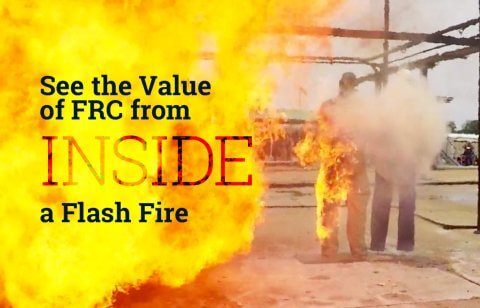
See the Value of FRC from INSIDE a Flash Fire

Surprisingly, there are still people working in environments where a flash fire hazard is present who are not yet convinced they should always be wearing flame resistant clothing. Some believe the risk is overstated. Others believe 100% cotton garments provide all the protection they need. Simply put, they are wrong! […]
October 30, 2018

Top 10 Safety Violations Cited by OSHA for FY2018

The results are in – and it turns out that the most common workplace violations cited by OSHA in fiscal year 2018 are nearly identical to the 2017 list (and the 2016, list for that matter). The one difference:  “Eye and Face Protection” slips onto the list at number 10, […]
October 25, 2018

What is Arc Rated?

One common question we receive is “what is arc rated?” As it applies to flame resistant (FR) garments and personal protective equipment (PPE), arc rated means that the material has been tested for exposure to an electrical arc and assigned a value according to its performance. We’re here to provide […]
October 22, 2018

Do All FR Fabrics Offer Equal Protection?

In an earlier post, we showed you how a Westex DH shirt and pant stacked up against 100% cotton and a cotton/poly blend when it comes to protecting you against a flash fire hazard. The verdict was clear. Wearing non-FR clothing when a flash fire hazard exists could lead to […]
October 2, 2018

VIDEO: FR Rainwear vs. Non-FR Rainwear in a Flash Fire

Spoiler alert: you DO NOT want to be caught wearing non-FR rainwear during a short duration thermal exposure or flash fire. Even some rainwear garments that are labeled as flame resistant (FR), compliant with ASTM D6413 are dangerous to wear if you’re exposed to a flash fire hazard. In this […]
September 26, 2018

What is a CAT Rating?

Arc rated flame resistant (AR/FR) garments are required to have labels that clearly announce the level of protection they provide. One rating that appears on these garments is the CAT rating, short for PPE CATegory. The CAT rating tells wearers at a glance the category of protection the garment provides […]
September 24, 2018

The Cost of Providing Arc Flash Protection

So far in this series, we have explored the many costs of an arc flash incident, the frequency of arc flash incidents, and the economic costs involved. Now we’d like to take a look at how you can mitigate the damage – both personal and economic – in the event […]
September 13, 2018

Not Wearing FR? See Why You Should.

If you’ve never witnessed a flash fire incident first-hand, it can be difficult to fully appreciate just how important it is to be fully protected by flame resistant clothing on the job. The direct injuries caused by the flames themselves can certainly be serious. But due to the relatively short […]
August 27, 2018

How Common are Arc Flash Incidents?

In our last post, we took a broad overview of the various costs associated with an arc flash event. But how often do arc flashes, let alone related injuries or death, actually occur. Many managers and owners justify their decision to not provide workers with arc rated, flame resistant (AR/FR) […]
August 15, 2018

The Many Costs of an Arc Flash Incident

Being caught in an arc flash incident can result in devastating primary costs on an unprotected worker. At best, an employee’s life and that of their family is turned upside down as they undergo a long, painful recovery and rehab process. At worst, a family is left coping with the […]
August 13, 2018

Surviving and Thriving After an Arc Flash

Tyndale learned of Brandon’s story and was impressed with his commitment to promoting safer work practices among electrical workers. We invited him to our headquarters and have since partnered with him on several occasions to widen the reach of his message. We last profiled Brandon in early 2018 – read […]
August 1, 2018

Tyndale’s Scott Margolin Named Top 10 Speaker

In a survey of those who attended the 2017 National Safety Council Congress and Expo, Tyndale Vice President of Technical, Scott Margolin, was rated as one of the Top 10 speakers at the event. Scott presented two sessions, I Should be Dead: Stories and Lessons from the Edge, and Emerging […]
July 19, 2018

There’s A New Suit In Town – And Tyndale Has It!

Tyndale is proud to announce the addition of the new Enespro™ line of “Mission Critical PPE” to our product offering. Enespro PPE, led by FR industry veterans Mike Enright and Rich Gojdics, officially launched their line of next generation arc flash suits on July 16, 2018. Designed specifically to offer […]
July 18, 2018

Summer Safety – 5 Tips to Avoid Heat Stroke

For those whose jobs require them to work outside – electric utility, oil and gas, and other industry workers – it’s not all “fun in the sun” during the summer months. Our summer safety blog series covers insect-repelling FR clothing and thunderstorm safety. In this post, we’re sharing some of the risks […]
July 11, 2018

Introducing the Versa Long Sleeve Raglan T-Shirt

When you have to wear FR clothing to stay safe at work, dressing comfortably can be a challenge. FR fabrics are often heavier and less breathable than natural, untreated fibers, and the limited variety of styles makes it difficult to layer up when the weather is apt to change throughout […]
June 25, 2018

Summer Safety – Best Practices for Staying Safe in a Thunderstorm

For those whose jobs require them to work outside – electric utility, oil and gas, and other industry workers – it’s not all “fun in the sun” during the summer months. Our summer safety blog series covers insect-repelling FR clothing and how to avoid heat stroke. In this post, we’re sharing […]
June 18, 2018

Summer Safety – Permethrin-Treated FR Clothing

It’s that time of year again! Between cookouts, pool parties, vacations, and other warm weather activities, people are spending more time outdoors. But for those whose jobs require them to work outside – electric utility, oil and gas, and other industry workers – it’s not all “fun in the sun” […]
June 8, 2018

Auditing the Final Inventory

This is the final post in a five-part series sharing common-sense strategies that have worked for other companies when they have moved on from rental contracts. Read our first post, and follow along with our series: Rental Laundry Programs, Understanding Program Responsibilities, and Managing Garment Inspection and Turn-In to learn more about each […]
June 4, 2018

Now Open in OKC: Our Latest Factory Store

As Tyndale grows, we are expanding to new areas and taking our commitment to worker safety to new heights. As part of this, we are pleased to introduce our new Factory Store, in Oklahoma City, OK (OKC). Thanks to this new store, workers in OKC will have easy access to […]
May 15, 2018

Introducing the Versa Insulated Bomber Jacket

If you are required to wear arc-rated flame resistant (FR) clothing for your job, you may have experienced wearing uncomfortable, generic-looking FR at one time or another. Tyndale understands that workers are more likely to wear protective clothing – and wear it properly – when it’s comfortable and fashionable. Which […]
April 24, 2018

Tyndale Now Distributes Salisbury Products

Tyndale has been supplying electrical workers with the arc rated, flame resistant clothing you need to stay safe on the job for over 30 years. Now we are proud to offer you the additional protection of Personal Protective Equipment (PPE) from Salisbury by Honeywell. Salisbury is one of the industry’s […]
April 16, 2018

The Risk of Not Wearing Proper PPE

This is the final post in a four-part series exploring factors that could contribute to an arc flash incident, based on the experience of arc flash survivor and safety advocate, Brandon Schroeder. In the first three posts in the series, we talked about behavioral and company culture-related factors that could […]
April 4, 2018

Risks of Only Providing Task-Based AR

This is the third post in a four-part series exploring factors that could contribute to an arc flash incident, based on the experience of arc flash survivor and safety advocate, Brandon Schroeder. In the first two posts in the series, we explored behavioral and company culture-related factors that could lead […]
March 26, 2018

The Risk of Prioritizing Productivity Over Safety

This is the second post in a four-part series exploring factors that could contribute to an arc flash incident, based on the experience of arc flash survivor and safety advocate, Brandon Schroeder. In our first blog post, you read about how Brandon Schroeder’s years of experience led to risky behavior […]
March 22, 2018

The Bottom Line: Comparing Task-Based and Daily Wear Programs

This is the final post in a series of five posts comparing and contrasting task-based and daily wear approaches to arc-rated (AR) clothing programs. Check out our first post here, and our posts exploring liability issues, challenges with layering, and challenges with monitoring and productivity. When choosing between a task-based and daily wear approach to protecting workers, […]
March 21, 2018

NFPA 70E 2018 – What’s New?

NFPA 70E has since been revised in 2021, though updates pertaining to AR / FR clothing were minor. NFPA 70E requirements for safe work practices protect personnel by reducing exposure to major electrical hazards. Originally developed at OSHA’s request, NFPA 70E helps companies and employees avoid workplace injuries and fatalities […]
March 19, 2018

Challenges with Monitoring and Productivity in Task-Based Systems

This is the fourth post in a series of five posts comparing and contrasting task-based and daily wear approaches to arc-rated (AR) clothing programs. Check out our first post here, and our posts exploring liability issues and challenges with layering. In our last post we will look at important takeaways. In a task-based program, […]
March 15, 2018

How Daily Wear Programs Solve Layering Challenges

This is the third post in a series of five posts comparing and contrasting task-based and daily wear approaches to arc-rated (AR) clothing programs. Check out our first post here, and our post exploring liability issues here. Next, we take a closer look at issues with monitoring and productivity, and key takeaways. As […]
March 13, 2018

Limiting Liability with a Daily Wear Program

This is the second post in a series of five posts comparing and contrasting task-based and daily wear approaches to arc-rated (AR) clothing programs. Check out our first post here. Next, we take a closer look at issues like challenges with layering, monitoring and productivity, and key takeaways. When deciding […]
March 9, 2018

Which is Safer, a Task-Based or Daily Wear Approach to AR Clothing?

This is the first post in a series of five posts comparing and contrasting task-based and daily wear approaches to arc-rated (AR) clothing programs. Next, we take a closer look at issues like liability, challenges with layering, monitoring and productivity, and key takeaways. As we saw in our last post, […]
March 1, 2018

Buyer Beware! Could Your FRC Be Counterfeit?

You wear FR clothing to stay safe on the job. But what if your FRC isn’t providing the protection you think it is? We’ve noted a growing and alarming online trend in recent months. Online companies – often based overseas – are selling what they claim to be flame resistant […]
February 28, 2018

How Experience Leads to Risky Behavior

This is the first post in a four-part series exploring factors that could contribute to an arc flash incident, based on the experience of arc flash survivor and safety advocate Brandon Schroeder. Picture this: You’ve been a licensed electrician since you were 23 years old, with five years as an […]
February 26, 2018

The Challenge of Finding Proper Fitting FRC

  At Tyndale, we understand the importance of FRC that fits properly. It goes beyond safety.  When they’re comfortable, workers can be fully engaged in work activities – which drives safety and productivity.  You’re looking for garments that are large enough to offer freedom of movement and the “air gap” […]
February 9, 2018

Don’t Risk It! An Arc Flash Survivor Speaks Out.

On August 24, 2011, Brandon Schroeder was working on a job site handling an electrical task that he had performed without incident dozens of times before. Only this time, things didn’t go according to plan – and Brandon was caught in the blast from a massive arc flash. Brandon suffered […]
January 15, 2018

Task-based and Daily Wear Approaches to FR Clothing Programs

When designing an arc-rated flame resistant (FR) clothing program for your workers, one of the first decisions you will make is whether to choose a “task-based” or “daily wear” approach to outfitting your workers. But what are the differences between these two approaches, and which is a better fit for […]
December 27, 2017

What is Arc Flash Analysis?

If you wear arc-rated (AR) clothing and personal protective equipment (PPE) with a protective rating higher than a possible arc is likely to have, you can ensure you won’t be burned in the event of an arc flash. But how do you know what incident energy is possible, so you […]
November 29, 2017

How Hot is an Arc Flash?

An arc flash event poses significant danger to anyone working on or near energized electrical equipment. An electrical fault, or short-circuit, can result in an enormous release of energy, with potentially deadly heat and molten metal projecting outward for significant distance at high speeds. How much heat, exactly? Well, if […]
November 16, 2017

Fire Retardant and Flame Resistant: What’s the Difference?

This is the second post in a five part “FR Clothing Materials” series. Check back to read additional posts in the series, including is cotton FR, what is Nomex clothing, and what is aramid yarn. And, be sure to read our previous post which answers the question, what is FR […]
November 15, 2017

What is FR Fabric?

This is the first post in a five-part “Flame Resistant Clothing Materials” series. Check back regularly to find out more information on the properties of common FR clothing materials, how your day-to-day cotton stacks up in comparison, and more! Flame resistant (FR) and arc rated (AR) fabrics are used to […]
November 14, 2017

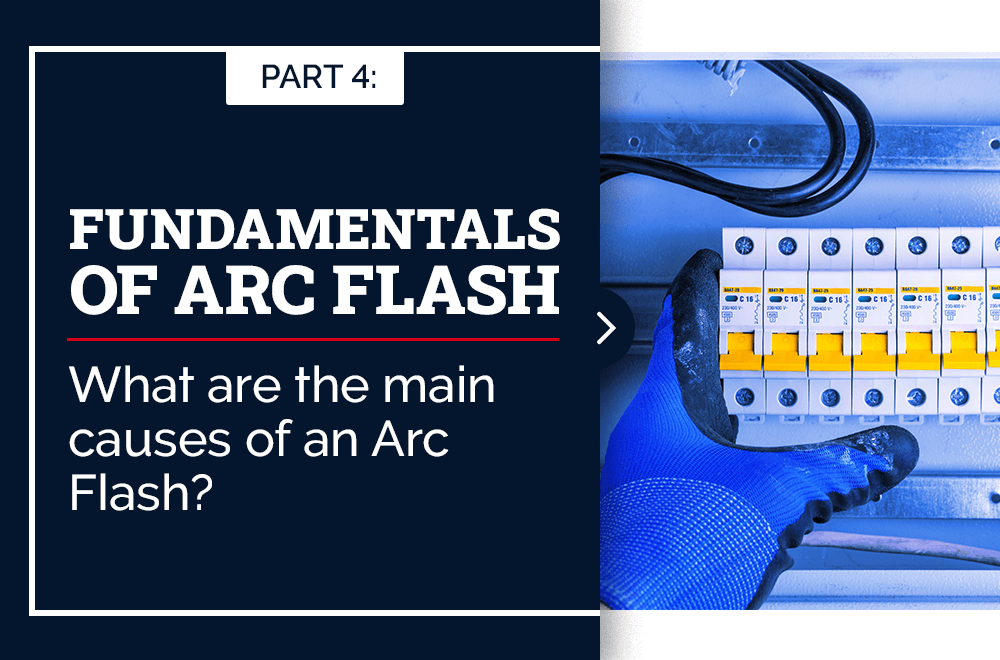
What are the Main Causes of an Arc Flash?

If you work with energized electrical equipment, you’ve probably heard of an arc flash. And, with some estimates showing thousands of arc flash incidents per year, you may have even seen this deadly hazard on the job. While wearing arc-rated (AR) clothing is an integral part of protecting yourself against arc […]
October 19, 2017

3 Cost Saving Opportunities through a Choice Program

There are many cost saving opportunities companies can expect when switching from a no-choice program (employers dictate clothing for their employees) to a choice program (employees are empowered to choose preferred garments from a company-approved selection). Here are three with highest potential to positively impact your company’s budget: Product Cost One […]
October 19, 2017

Is Compliance with NFPA 70E Mandatory?

NFPA 70E has since been revised in 2021, though updates pertaining to AR / FR clothing were minor. There are no shortcuts when it comes to keeping workers safe. In fact, it’s usually in the company’s – and the employee’s – best interest to incorporate voluntary safeguards above and beyond […]
October 9, 2017

What is an Arc Rating?

Arc-rated (AR) clothing is critical in the presence of an arc flash hazard because it will not ignite and continue to burn. This can save your life! AR clothing also performs a second function, insulating you against the hazard so that you’re not burned through the fabric. But what is an arc rating, […]
October 3, 2017

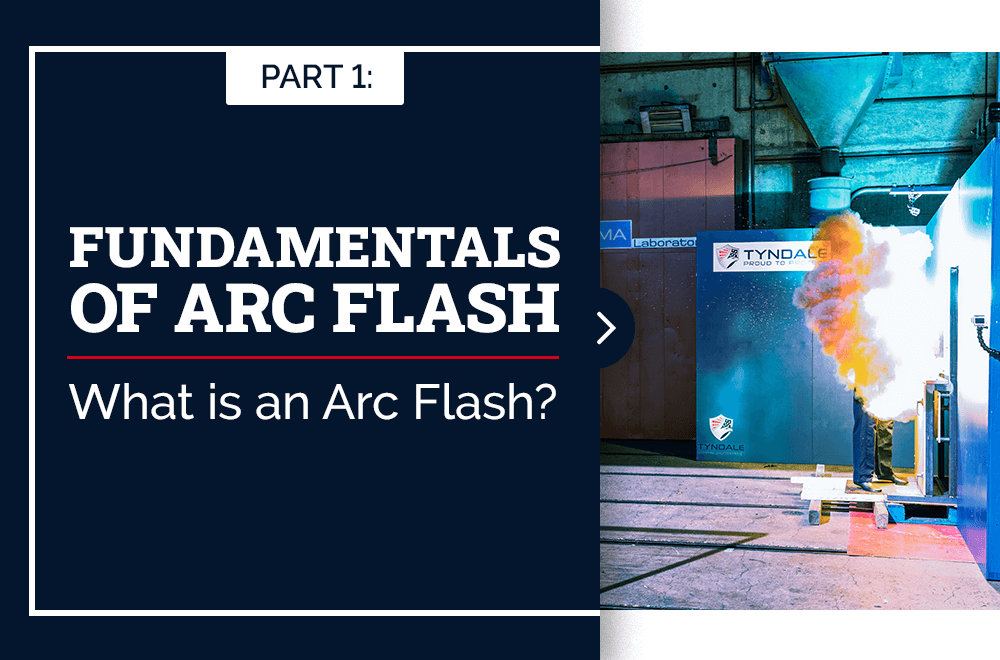
What is an Arc Flash?

Anyone working on or near energized electrical equipment needs to be very aware of the risks associated with an arc flash – and take the necessary precautions to protect themselves. Failure to do so can result in severe injury or death. An arc flash is a sudden release of energy […]
July 19, 2017

Choice Increases Employee Morale

Morale is defined as “the confidence, enthusiasm, and discipline of a person or group at a particular time.” Companies are often motivated to boost employee morale because it allows them to take advantage of several benefits that occur as a result: increased productivity, satisfaction, and positive attitude toward the company. […]
May 8, 2017

Increase Access to Innovation through Choice!

We live in a time of continuous innovation, with fierce competition to offer the next best thing. In a retail setting, consumers have access to a wide range of products, with broad choice based on personal preference. Why should this experience be any different in arc-rated and flame resistant (AR […]
May 1, 2017

Flash Fire Compliance Versus Protection

When it comes to protecting workers, sometimes compliance takes the spotlight in corporate decision making. If you’re in compliance, your workers are protected, right? This is not necessarily true, particularly when purchasing flame resistant clothing (FRC) for flash fire protection.
April 26, 2017

The Key to Employee Comfort: Choice!

Comfort is usually top of mind when deciding what to wear. There are many factors that contribute to comfort including a physical element – how the garment fits and feels – and an emotional element – how you feel when you wear the garment. Both are extremely subjective, differing from […]
April 24, 2017

AR and FR Clothing: What’s the Difference?

When it comes to protective clothing, keeping track of the many standards, terms, and abbreviations can be challenging. One question we commonly receive is: what is the difference between arc-rated (AR) clothing and flame resistant (FR) clothing? Scott Margolin, our resident technical expert, explains the subtle but important difference:
April 18, 2017

Offer Choice, Increase Compliance

When it comes to protecting workers from arc flash and flash fire hazards, employers may think that the easiest way to achieve compliance is to offer a single arc-rated and flame resistant (AR / FR) shirt and pant combination in a single fabric, style, and color. However, this type of […]
March 31, 2017

Goodbye Generic Workwear, Hello Stylish FR Clothing

Think about the cell phone you have today, compared to the cell phone you had 10 years ago. Just as the sleek, smart phone you carry today bears no resemblance to your bulky cell phone of yesteryear, the arc-rated and flame resistant (AR / FR) clothing of today has come a […]
March 24, 2017

Introducing the Power of Choice to AR / FR Clothing Programs

Human nature is to resist being told what to do because lack of control is oppressive and disempowering, even when you recognize the requirement is in your best interest.  However, when people have options, even when all those options meet the requirements, they are more likely to comply, more likely […]
March 23, 2017

Base Layer Basics

It’s clear that arc-rated flame resistant (FR) clothing – shirts, pants and outerwear – is necessary to protect against hazards on-the-job for those that risk exposure to arc flash or flash fire in their everyday work environments. But what about what you wear underneath, what’s next to your skin?  How […]
February 27, 2017

OSHA’s Updated Rule on Fall Protection

Slip, trip, and fall hazards are some of the leading causes of worker deaths and injuries, and the most commonly cited OSHA violation (see the other nine most cited OSHA violations here). In order to address this important component of worker safety, OSHA has released a final rule updating its […]
February 16, 2017

The Technology behind Bulwark iQ Series®

  This is the second and final post in a two-part series, focusing on the Bulwark iQ Series®. Our previous post features a few of the Bulwark iQ Series® garments. In this post, we explain the revolutionary Westex by Milliken G2 technology behind Bulwark iQ Series® and how it is redefining […]
February 2, 2017

Product Spotlight: Bulwark iQ Series®

This is the first post in a two-part series, focusing on the Bulwark iQ Series®. Stay tuned for our second post which will explain the technology behind Bulwark iQ Series® and how it’s redefining comfort for workers required to wear FR clothing. Tyndale is a proud distributor of industry-leading arc-rated […]
January 16, 2017

HRC to CAT: Look Out for NFPA 70E Labeling Change

NFPA 70E has since been revised in 2018 and 2021. Please review our newer posts for the latest information. NFPA 70E Standard for Electrical Safety in the Workplace is periodically updated to support workers and their employers in preventing workplace injuries and fatalities from shock, electrocution, arc flash, and arc […]
January 11, 2017

Introducing Workrite’s Revolutionary New Dual Hazard Lab Coat

As a key distributor of FR clothing from leading manufacturers, Tyndale is pleased to offer a revolutionary lab coat from Workrite FR. Workrite’s new dual hazard lab coat protects wearers against flash fire and chemical splash hazards. Made from flame resistant Nomex® IIIA fabric with Westex ShieldCXP(TM), a chemical splash […]
December 23, 2016

Most Popular Boots for Workers Requiring Foot Protection

The saying goes, “If the shoe fits, wear it.” But when it comes to protective footwear, it’s much more than that!  At Tyndale, our commitment to providing the best products doesn’t stop at flame resistant (FR) clothing. In fact, we are much more than just an FR clothing supplier!
December 19, 2016

5 Easy Steps for Choosing Foot Protection

Want to be sure your workers have the right foot protection on the job – but just not sure where to start?  Choosing protective footwear is no easy task!  Critically, incorrect or insufficient footwear can lead to compliance issues and even worker injury in the event of an incident.  Follow […]
December 14, 2016

Tyndale at OSHA’s Oil and Gas Conference 2016

Tyndale attended OSHA’s biennial Oil and Gas Safety Conference last month, held in Houston from November 29-30th. This sold-out conference attracted a crowd of more than 1,000 industry professionals, and offered attendees the opportunity to hear keynote addresses from safety industry experts, and engage in breakout sessions and exhibitions with […]
December 1, 2016

Leading FR Rainwear for Energy Workers

Our country’s demand for energy does not take a break during bad weather, and neither do the brave men and women working to keep the lights on or produce the fuels we rely on each day. It is critical to ensure these workers have access to protective rainwear during inclement […]
September 27, 2016

Summary of ASTM F2892: Soft Toe Protective Footwear Standard

This is the fourth and final post in a four-part series providing an overview of Tyndale’s boot program along with the applicable industry standards – ASTM F2412, ASTM F2413, and ASTM F2892. In this post we provide an overview of ASTM F2892, Standard Specification for Performance Requirements for Soft Toe […]
September 22, 2016

What You Should Know about ASTM F2413 for Protective Footwear

This is the third post in a four-part series providing an overview of Tyndale’s boot program along with the applicable industry standards – ASTM F2412, ASTM F2413, and ASTM F2892. In this post we provide an overview of ASTM F2413, Standard Specification for Performance Requirements for Protective (Safety) Toe Cap […]
September 9, 2016

Understanding the Test Methods that Govern Foot Protection

This is the second post in a four-part series providing an overview of Tyndale’s boot program along with the applicable industry standards – ASTM F2412, ASTM F2413, and ASTM F2892. In this post we provide an overview of ASTM F2412, Standard Test Methods for Foot Protection.
September 2, 2016

Think FRC is all Tyndale has to offer? Think again!

Tyndale is much more than a flame resistant clothing (FRC) supplier. We’ve partnered with Stauffer Glove and Safety to offer a simple PPE purchasing option. Now you can expand your Tyndale FRC program by consolidating your PPE safety purchases with Tyndale.
September 1, 2016

Three Tips for Selecting FR Rainwear

When it comes to flame resistant (FR) rainwear, the risks are real; Ineffective rainwear can make your workers uncomfortable – reducing productivity – while putting them at risk for heat stress or cold stress. Critically, for workers who face arc flash or flash fire hazards as part of their outdoor […]
August 31, 2016

Workers Looking to Give Their Old Boots the Boot?

This is the first post in a four-part series providing an overview of Tyndale’s boot program along with the applicable industry standards – ASTM F2412, ASTM F2413, and ASTM F2892. In this post we provide an overview of our boot program, which offers flexible solutions for company’s requiring foot protection […]
August 26, 2016

Does my Rainwear Protect Against Flash Fire Exposures?

ASTM F2733, Standard Specification for Flame Resistant Rainwear for Protection Against Flame Hazards, contains minimum performance specifications and other requirements for rainwear used to protect workers from hydrocarbon or petrochemical flash fires in wet conditions.
August 18, 2016

What Standard Governs Arc Flash Protective Rainwear?

ASTM F1891, Standard Specification for Arc and Flame Resistant Rainwear, establishes minimum performance specifications, test methods, and other suggested information – including a sizing guide and purchasing specification – for rainwear used to protect workers from momentary exposures to arc flashes or flame.
August 11, 2016

Tired of Headaches Around Buying and Distributing FR Rainwear?

…Let Tyndale manage the program for you! Rainwear is critical to maintaining comfort and healthy body temperature in wet conditions. Otherwise, your clothing will absorb both precipitation and your body’s perspiration as you work. Wet clothing, in turn, reduces energy efficiency, productivity, and leaves you open to cold stress.  Most critically, […]
August 10, 2016

Get Even More Out of Your Tyndale Program!

At Tyndale, we’ve built our business on saving our customers time and money while increasing tracking and reporting for arc-rated/flame resistant clothing (FRC). But Tyndale is much more than an FRC supplier. Take your program one step farther by consolidating your protective boot, FR rainwear, and storeroom PPE supply programs […]
August 3, 2016

Using Spend Avoidance to Control FRC Costs

This is the final post in a five-part series exploring common examples of ineffective FRC practices that have real costs—and practical solutions. We started by reviewing common scenarios that signify opportunity for savings, and reducing costs by transitioning out of rental or lease, eliminating retail spending, and streamlining procurement. In […]
July 28, 2016

How to Save on AR / FR Clothing by Streamlining Procurement

This is the fourth in a five-part series exploring common examples of ineffective FRC practices that have real costs—and practical solutions. So far, we reviewed common scenarios that signify opportunity for savings, and reducing costs by transitioning out of rental/lease and eliminating retail spending. In this post, we review the […]
July 22, 2016

How to Save on AR / FR Clothing by Eliminating Retail Spend

This is the third in a five-part series exploring common examples of ineffective FRC practices that have real costs—and practical solutions. So far, we reviewed common scenarios that signify opportunities for savings, and reducing costs by transitioning out of rental or lease. In this post, we review the impact of […]
July 20, 2016

How to Save on AR / FR Clothing by Purchasing – Instead of Renting – Garments

This is the second in a five-part series exploring common examples of ineffective FRC practices that have real costs—and practical solutions. In our first post we reviewed common scenarios that signify opportunity for savings. In this post, we explore how to realize savings by transitioning out of rental or lease, […]
July 12, 2016

How to Save on AR / FR Clothing During an Economic Downturn – and Beyond!

This is the first in a five-part series exploring common examples of ineffective FRC practices that have real costs—and practical solutions. In this post we review common scenarios that pose opportunities for savings, followed by four posts exploring key cost saving strategies – transitioning out of rental or lease, eliminating […]
May 5, 2016

How Can I Protect Myself from Zika Virus?

If you’ve tuned into the news recently, chances are you’ve heard about growing international concern about the mosquito-transmitted Zika virus. Here’s what you need to know, and how outdoor workers like you can use Tyndale’s exclusive line of FRMC® garments with Perimeter Insect Guard™ for protection.
March 24, 2016

Frustrated with FRC Rental? Hybrid to the Rescue!

The problem: Workers frustrated with industrial laundry no longer turn-in their garments each week — but you’re still paying the same weekly price for the service.  You still need industrial laundry because some workgroups are exposed to heavy soils or flammable contaminants that are difficult to remove in home laundry.
March 3, 2016

Who is Responsible for FRC Use, Care, and Maintenance?

What do industry standards say about flame resistant clothing (FRC) use, care, and maintenance in oil and gas applications? And who is responsible for making sure garments meet those expectations? What tools are available to employers to support compliance with the requirements?  In this blog post, we explore and compare […]
February 29, 2016

Up and Coming: Tyndale’s Top New Products of 2015

This is the third post in a three-part series looking back at our top products of 2015. In our first post, we highlighted a sampling of our most popular products of 2015. Then, in our second post, we explored a few of our Best Rated Products of 2015. Now, in […]
February 19, 2016

Top Rated: A Few of 2015’s Customer Favorites

This is the second post in a three-part series looking back at our top products of 2015. In our first post, we highlighted a sampling of our most popular products of 2015. In this post we will explore a few of our Best Rated Products of 2015, and in our […]
February 15, 2016

Best Dressed: Tyndale FRC Highlights of 2015

This is the first post in a three-part series looking back at top Tyndale-made products of 2015. In this post, we highlight a sampling of our most popular products of 2015. In our next post we will explore some of our best-rated products of 2015, and in our last post we […]
February 9, 2016

The Dangers of Overlooking Workplace Housekeeping

While it may not be the first thing that comes to mind, housekeeping plays a crucial role in workplace safety. The National Safety Council (NSC) Safety + Health Magazine recently published an article, highlighting the importance of housekeeping in a work environment and offered tips for effective housekeeping practices.
January 26, 2016

Gear Up for Cold Weather with Tyndale’s Uniform Outerwear Solution

Cold weather has arrived – now is the perfect time to choose outerwear for employees exposed to winter weather conditions! The most important factors to consider when looking into FR outerwear for your employees are safety, comfort, company image and budgetary requirements. Tyndale offers a unique solution specifically designed to […]
December 13, 2015

A Choice Program: The Answer to Employee FRC Compliance

Struggling with employee compliance for your FRC Program? In many industries, like oil and gas or electric utilities, employee clothing is dictated by certain safety standards or workplace requirements the garments must meet. However, if your employees are uncomfortable in their flame resistant clothing (FRC), there is potential for garments […]
November 20, 2015

Tyndale Introduces New FR Tool Pouches

Need a convenient way to carry extra tools on the job, without weighing down your pant pockets? Tyndale’s new Tool Pouches are the perfect accessory – fitting right on your belt! Tool Pouches come in four sizes – giving you the perfect fit for a range of items – from […]
October 21, 2015

Top Cost-effective, Tried & True FR Rainwear Solutions

This is the third post in our three-part series reviewing the 2015-16 El Niño outlook and arc-rated flame resistant rainwear options available to outdoor workers facing arc flash or flash fire hazards. In our second post we explored advanced rainwear options, while in this final post we feature some cost-effective rainwear […]
October 15, 2015

Kickoff the Season with FR Outerwear

    It’s that time of year already – temperatures are cooling down, school has started, leaves are beginning to change, and football is back. Cold weather will be here before you know it! Kickoff the season with these important arc-rated flame resistant clothing (FRC) tips:  
October 2, 2015

Tyndale Introduces Revolutionary HRC 4 Arc Suit

Tired of hot, bulky arc suits that slow you down? Want something that’s lightweight and comfortable with the same protective qualities? Tyndale has you covered! Our innovative, new Lightweight 40 Cal Arc Suit (M830Y & M820Y) is easy to slip on and off over your daily wear and offers a […]
September 28, 2015

What Are Today’s Advanced FR Rainwear Options?

This is the second post in a three-part series reviewing the 2015-16 El Niño outlook and arc-rated flame resistant rainwear options available to outdoor workers facing arc flash or flash fire hazards. In this post we explore advanced rainwear options, while in our next post we feature some cost-effective rainwear […]
September 4, 2015

How to Prepare for El Niño with the Right FR Rainwear

This is the first post in a three-part series reviewing the 2015-16 El Niño outlook and arc-rated flame resistant rainwear options available to outdoor workers facing arc flash or flash fire hazards. In this post we explore projections for the 2015-16 El Niño phenomenon; in our next post, we explore […]
August 4, 2015

Hugh Hoagland Addresses Comfort & Contamination in FRC

Although many utility employers began providing arc-rated clothing well before the new OSHA 1910.269, those who are now installing arc-rated clothing programs may face questions and sometimes friction from workers who are accustomed to wearing non-FR on the job.
April 13, 2015

Is Your FR Clothing as Ready for Spring as You Are?

Spring is the perfect time of year to clean, organize, and refresh as the days get longer and the world starts to come back to life from the cold, dark Winter. Be sure to incorporate your arc/flame-resistant (FR) clothing into your spring refresh, retiring worn out garments, making sure your […]
March 31, 2015

What Does 1910.269 Say About Socks and Underwear?

OSHA’s 2014 1910.269 ruling marks a distinct departure from its predecessor. In fact, up until the new rule was promulgated, 1910.269 simply required that clothing “do no harm” in the event of an arc flash. In stark contrast, the 2014 ruling specifically requires employers to provide arc/flame resistant (FR) clothing […]
March 17, 2015

Tyndale’s Top Five OSHA 1910.269 Blog Posts

Since OSHA promulgated the new 1910.269 in April 2014, Tyndale has been hard at work partnering with employers to understand and gain compliance with the new provisions—helping workers return home to their families safely each night. Join thousands of readers in taking advantage of our top five OSHA 1910.269 blog […]
February 17, 2015

You Spoke, We Listened! New FRC Treated with Permethrin

Last November, Tyndale introduced our exclusive new line of Tyndale-made FRMC® garments pre-treated with durable permethrin insect repellent, and began accepting preorders for April delivery. Garments pre-treated with permethrin, which lasts for 50+ launderings, are available for $20/garment with 10-week delivery. All available items are made by Tyndale – many […]
January 26, 2015

Training Video: FRC Care, Maintenance and Inspection

While many see OSHA’s update to standard 1910.269 as something that only affects the electric utility industry, OSHA’s changes are far greater reaching than many people may expect. In fact, the Preamble to OSHA’s recently updated standard 1910.269 ruling gives insight on the agency’s stance on proper care and maintenance […]
January 22, 2015

OSHA 1910.269 Resource Guide on Laundering FRC

OSHA’s update to standard 1910.269, which took effect in 2015,clarifies and expands the employer’s responsibility to provide and maintain appropriate arc-rated clothing to employees based on reliable estimates of workplace hazards. Tyndale can help employers understand key aspects of OSHA’s revised ruling to standard 1910.269 as it relates to FR […]
November 7, 2014

Does Cost of 1910.269 Include FR Outerwear or Boots?

After OSHA’s update to standard 1910.269 was published, the meaning of flame resistant PPE, and specifically, how outerwear fits into this definition, has been open to interpretation – leaving many of us scratching our heads about safe and proper application. Additionally, many question whether or not OSHA 1910.269’s head-to-toe arc-rated […]
October 10, 2014

How Disposable Coveralls Extend the Life of Your FRC

We all know that FR clothing provides protection from arc flash and flash fire hazards. However, situations where your primary FR clothing may become heavily soaked in oil or covered in excessive dirt may cause unsafe conditions in which your primary FR clothing should no longer be worn. Disposable FR […]
October 7, 2014

OSHA 1910.269: Why Industrial Laundry is Not the Answer

Under 1910.269 and 1926 subpart V ruling, OSHA clarified its stance that FR and arc-rated clothing should reasonably and appropriately be treated as Personal Protective Equipment (PPE). This designation reinforces the employer’s legal obligation to provide, pay for, and retain ultimate responsibility for care and maintenance of FR and arc-rated clothing. When […]
August 7, 2014

How an AR / FR Clothing Supplier Manages Your Program Can Impact Its Success

This final post in our series discusses the last critical step in selecting an arc-rated and flame resistant (AR / FR) clothing supplier – evaluating how the supplier administers and ultimately manages your program. Choosing a service-oriented AR / FR clothing supplier is a worthwhile investment that protects your employees […]
August 5, 2014

Proud to Protect: Tyndale Company’s Blog Turns One!

It has officially been one year since we started the Tyndale Company blog! Nearly 20,000 views and almost 100 blog posts later, Tyndale works hard to help employers understand how to keep their employees compliant with ever-changing safety regulations. Through this blog, Tyndale has been providing relevant updates on standards […]
July 21, 2014

What Is the Difference Between Arc-Rated Clothing and FR Clothing?

Understanding all of the acronyms for clothing and standards in the electric industry can make your head spin. One common question we get is: what is the difference between arc-rated and flame resistant clothing – if there is any difference at all? FR stands for “flame resistant clothing,” specifically. An […]
July 7, 2014

OSHA 1910.269 FR Clothing Update: 3 Reasons to Act Now

Important Note: As of February 2015, compliance dates have changed for enforcement of OSHA standard 1910.269. These changes impact dates listed in this post. Click here for complete details and updated deadlines. In April 2014, OSHA issued a ruling revising 29 CFR 1910.269 and 1926 subpart V, standards governing workplace […]
June 23, 2014

Access e-Hazard’s Side-By-Side Comparison of Changes to OSHA 1910.269 Standard

Important Note: As of February 2015, compliance dates have changed for enforcement of OSHA standard 1910.269. These changes impact dates listed in this post. Click here for complete details and updated deadlines. OSHA last issued rules for the construction of transmission and distribution installations in 1972. As you may now […]
June 20, 2014

Tyndale: Safety Starts With Us

June is recognized by many safety professionals and the National Safety Council as National Safety Month. It’s a time when all of us should increase our safety awareness in the workplace and at home. The purpose of National Safety Month is to encourage safe behaviors and prevent the leading causes […]
June 19, 2014

Tyndale One of Six Companies Recognized by APS as Supplier of the Year

Tyndale was one of six companies honored earlier this month as Supplier of the Year by Arizona Public Service (APS), Arizona’s largest and longest-serving electricity utility. Tyndale was nominated by APS employees and subsequently evaluated on customer service and overall performance. Our commitment to sustainability, community involvement, and focus on […]
June 13, 2014

Final OSHA 29 CFR 1910.269 Update: Care, Maintenance and Laundering of FR Clothing

During Electrical Safety Month in May, Tyndale began discussing key aspects of OSHA’s revised ruling of 1910.269 as it applies to FR clothing and has aimed to help employers understand its impact and how to properly protect employees. In this post, Tyndale identifies the last key component of OSHA’s final […]
June 11, 2014

Summer Heat Safety in FR Clothing

As summer draws on and the sun hangs longer in the sky, finding that much needed relief from the heat can be a challenge, particularly for those that work outside for extended periods of time. Even so, preventing heat stress, heat stroke, and other heat-related health issues comes from knowing […]
June 4, 2014

Bug Repellent, DEET, and Your FR Clothing

The weather is warming up, which means the concern over pesky insects is growing. You’ll want to stay protected from bugs, but more importantly, remain safe in your FR clothing. As we’ve covered in the past, Tyndale does not recommend applying insect repellent with DEET (N, N-diethyl-meta-toluamide) to flame resistant […]
May 22, 2014

Key OSHA 29 CFR 1910.269 Update: Full Body Protection Against Arc Hazards

During National Electrical Safety Month, Tyndale has been discussing key aspects of OSHA’s revised ruling as it applies to FR clothing and seeks to help employers understand how the new rule will impact their role in properly protecting employees. The second key component of OSHA’s final ruling as it relates […]
May 20, 2014

Key OSHA 29 CFR 1910.269 Update: FR Clothing is Personal Protective Equipment

On April 11, 2014, OSHA published to the Federal Register the final rule revising 29 CFR 1910.269 and 1926 Subpart V, related to the construction and repair of electric power generation, transmission and distribution in an effort to improve workplace safety. In honor of National Electrical Safety Month, Tyndale will […]
May 15, 2014

Understanding Critical Changes to OSHA 1910.269 During Electrical Safety Month

May is National Electrical Safety Month, an important time to bring electrical safety awareness to our communities, to help educate the public and prevent injury. Coinciding with National Electrical Safety Month is the recent change to OSHA 1910.269 which updates the standard providing electrical safety guidance for those in the […]
May 9, 2014

How to Compare Products and Programs Offered by AR / FR Clothing Suppliers

There are a wide range of options related to price, quality, performance, and overall value when selecting arc-rated and flame resistant (AR / FR) clothing and a supplier to manage your clothing program. Not only is it essential that your workers are protected against arc flash and flash fire hazards, […]
March 28, 2014

How to Evaluate the Experience and Expertise of an AR / FR Clothing Supplier

The arc-rated and flame resistant (AR / FR) clothing industry has experienced rapid growth and increased demand over the past decade. Along with an expanding marketplace come new entrants selling AR / FR clothing you may consider investing in to protect your workers. But how do you know who to […]
February 24, 2014

Attend Tyndale’s NFPA 70E Low Voltage Qualified Training Class April 23rd

Tyndale has partnered with e-Hazard to bring you an engaging one-day seminar on NFPA 70E and OSHA electrical safety requirements. Used by more NFPA 70E committee members, e-Hazard’s training provides a thorough knowledge of the dangers and recommended safe behaviors for those who work around electric hazards daily. This course […]
February 12, 2014

Parity in Protection: What You Should Know About FR Clothing and Static Electricity

This blog post, originally published in 2014, was updated in 2023. Static electricity is a stationary electric charge, typically produced by friction that causes sparks or crackling, or the attraction of dust or hair. Static electricity is named in contrast with current electricity which flows through wires or other conductors […]
January 29, 2014

Work Safely with Tyndale’s Boot Program for Foot Protection

Tyndale can develop a boot program to meet the needs of any organization requiring foot protection for their employees. The goal of our program is to deliver flexibility, choice and convenience to your company’s employees. Tyndale’s standard boot program offers two options for workers to purchase boots: direct from Tyndale […]
January 27, 2014

Understanding Protection Against Combustible Dust Hazards

Defining the Hazard According to OSHA, any combustible material can burn rapidly when in a finely divided form. If such dust is suspended in the air in the right concentration, under certain conditions, it can explode. The elements needed for a dust-related explosion include: 1. Fuel (combustible dust) 2. Heat […]
January 21, 2014

Download Tyndale’s Sample FRC Clothing Retirement Policy

We often get questions on best practices regarding useful wear life of FR clothing and when to retire used or older garments. To ensure that flame resistant clothing maintains protective properties, workers should retire their flame resistant clothing if one or more of the following wear indicators appear on a […]
January 17, 2014

Important Information Regarding Bleach and FR Clothing

The following is Q&A to help FRC wearers understand flame resistant garments and its use around bleach or other hazardous chemicals. In general, the use of bleach is not recommended for any flame resistant garments as over-use can degrade fabric and negatively impact performance characteristics of FR clothing. Although chlorine […]
January 7, 2014

Do Logos Used on FRC Need to be Flame Resistant?

Note: We cover this topic in a more recent post: Should FR Clothing Embellishments Be Flame Resistant? One of the most common questions in the flame resistant clothing industry is whether or not company logos or other types of embroidery should be FR. While industry standards agree that logos for […]
December 16, 2013

Enhanced Visibility Options for FRC Clothing

United States law requires all personnel working on a federally funded highway to wear high visibility clothing. Two states, Minnesota and Wisconsin, have gone above and beyond the federal mandate and have adopted ANSI 107 into state law (1). Industries that operate during the day or at night, in good […]
November 27, 2013

4 Tips for Washing Your FR Outerwear

It’s that time of year again when many of us need to wear jackets to stay warm. One of the biggest risks in the FR industry is outerwear soiled with flammable contaminants, such as oil or grease. If exposed to flame or electric arc, flammable soil could ignite and continue […]
November 5, 2013

Understanding Cold Stress for FR Clothing Wearers

This is the first post in a series covering cold stress and how to layer FR clothing properly during colder months. Subsequent topics will include: wicking or FR inner layers, FR outer layers for warmth and insulation, and a final, waterproof FR layer. Now that the temperatures are cooling down, […]
September 10, 2013

3 Tips on How to Wash FR Clothing and its Useful Wear Life

This blog post is the first of a 3-part series. Later in September, we will also cover how to wash FR clothing with fabric softener and lint contamination, or when non-FR garments are washed with FRC. We often get questions on best practices regarding how to wash FR clothing and […]
September 5, 2013

Electric Arc Flash Protection: FR Jeans vs. Non-FR Jeans

Electrical safety should be taken very seriously as arc flash is one of the most prevalent hazards when working around energized parts. According to the Electrical Safety Foundation International (ESFI): Electrical accidents cause more than 300 deaths and 4,000 injuries in the workplace each year, and Electrical injuries in general […]
August 30, 2013

Get Your Copy of Tyndale’s Sample FRC Flash Fire Policy

Are you or your workers at risk of facing flash fires? Navigating the new regulations surrounding the use of FRC to protect against flash fire can be confusing and difficult. We at Tyndale have developed a sample FRC flash fire policy that you can use for your company. Since the […]
August 16, 2013

3 Steps to Help You Avoid Heat Stress While Wearing FR Clothing

Summer can be a dangerous time of year for employees in many professions – particularly those that work in jobs outside in the heat for extended periods of time. Knowing how to work safely in hot weather can help prevent heat stress and heat stroke, among other heat-related health issues.
July 23, 2013

Made in USA: Safety Solutions that Protect Workers

Worker Safety in the News Many organizations are urging overseas apparel manufacturers to adopt workplace safety solutions after the tragic incident in April when over 1,100 Bangladeshi workers died when their apparel/textile manufacturing plant collapsed (1). In many countries, employees face dangerous working conditions for extremely low wages, in factories […]
✕