Support 24/7
Text 215-766-5665

✕

Support 24/7
Text 215-766-5665

Support 24/7
Text 215-766-5665

✕

Support 24/7
Text 215-766-5665

December 2, 2022

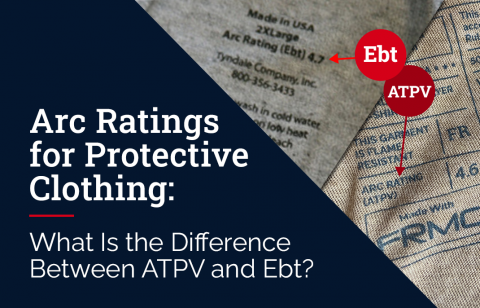
Arc Ratings for FR Clothing: What is the Difference Between ATPV and EBT?

To better understand arc ratings – what they are and the difference between the two ways they are measured – we define them below and link back to Tyndale’s Arc Week Season 3, which covers the science behind all things arc flash. What is an Arc Rating? Simply put, an […]
February 26, 2019

Do OSHA 1910.269 PPE Rules Impact Oil, Gas, and Other Industries?

OSHA’s 1910.269 ruling for the electric utility industry defines FR clothing as PPE–similar to 2010’s OSHA 1910.132 Enforcement Policy Memo regarding protection from flash fire in oil and gas well drilling, servicing, and production-related operations. In fact, the Preamble to the 1910.269 ruling introduces additional commentary from OSHA that paints […]
February 13, 2019

Tyndale’s Step by Step Guide to 1910.269 Compliance for Contractors

In April 2014, OSHA issued a ruling that clarified and expanded employers’ responsibility to protect employees from arc flash hazards.  This ruling – 29 CFR 1910.269 and 1926 subpart V, standards governing workplace safety in electric power generation, transmission and distribution work – has been enforced since August 31, 2015. […]
January 8, 2019

Important Changes to NFPA 2112 – 2018 Edition

NFPA 2112, Standard on Flame Resistant Clothing for Protection of Industrial Personnel Against Short-Duration Thermal Exposures from Fire, was revised and an updated edition was issued earlier this year. Below, we provide an overview of the important changes: Updated Title and New Terminology One of the biggest changes in the […]
December 13, 2018

Enespro PPE – Designed to Your Specifications

Tyndale is proud to carry Enespro “Mission Critical PPE” based on their commitment to provide products that meet real-world needs. Ensepro firmly believes the best arc flash suits are created by the professionals who actually wear them. That’s why at the company’s inception, founders Mike Enright and Rich Gojdics went […]
December 10, 2018

Introducing Tyndale’s Mobile App

These days, everything – news, weather, social media, shopping, and more – is available at your fingertips by using your mobile device. So, why not your flame resistant (FR) clothing? Tyndale recently launched our mobile app – Tyndale FRC – from which you can quickly and easily shop your company’s […]
November 28, 2018

70E Compliance Is In the Bag

Tyndale is happy to offer the convenient safety of Salisbury’s new CAT 2/8 Cal Arc Flash kits you can pack in a bag and take on the job — anywhere, anytime. These kits from Salisbury by Honeywell offer arc rated, flame resistant protection for your eyes, face, head, and body, […]
November 15, 2018

Enespro Combines Maximum Comfort with Reliable Protection

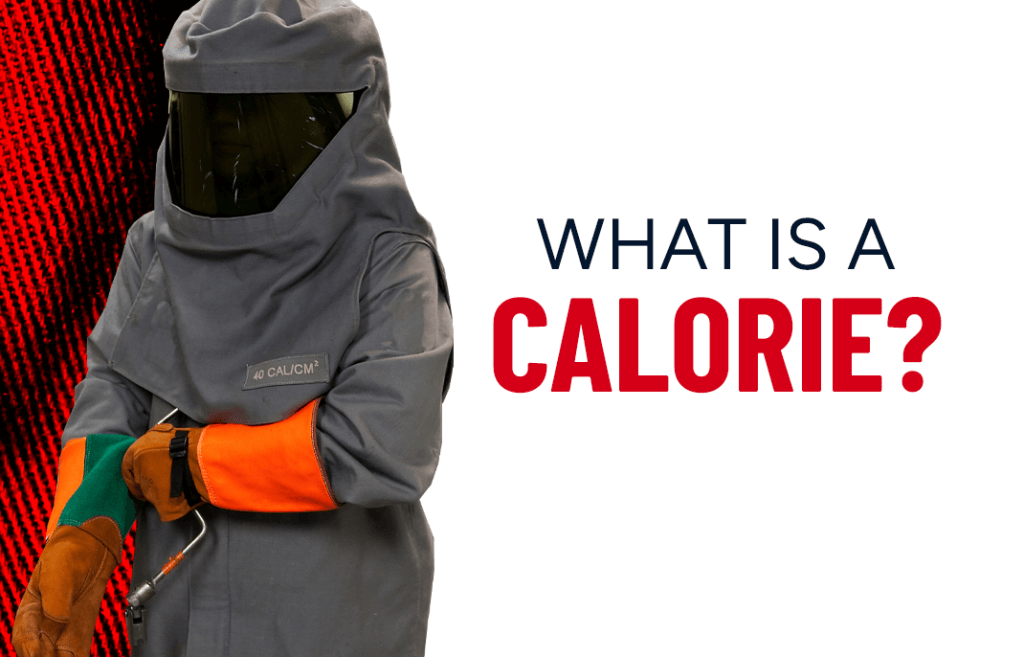
Tyndale is proud to offer you Mission Critical PPE from Enespro, designed to offer maximum comfort and functionality without sacrificing safety. A prime example is Enespro’s 40 Cal AirLite™ arc flash suit, made with a new super lightweight 11.5 oz. AirLite fabric system, so that it is actually as light […]
November 8, 2018

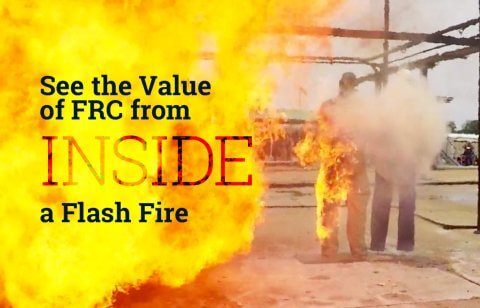
See the Value of FRC from INSIDE a Flash Fire

Surprisingly, there are still people working in environments where a flash fire hazard is present who are not yet convinced they should always be wearing flame resistant clothing. Some believe the risk is overstated. Others believe 100% cotton garments provide all the protection they need. Simply put, they are wrong! […]
October 30, 2018

Top 10 Safety Violations Cited by OSHA for FY2018

The results are in – and it turns out that the most common workplace violations cited by OSHA in fiscal year 2018 are nearly identical to the 2017 list (and the 2016, list for that matter). The one difference:  “Eye and Face Protection” slips onto the list at number 10, […]
October 25, 2018

What is Arc Rated?

One common question we receive is “what is arc rated?” As it applies to flame resistant (FR) garments and personal protective equipment (PPE), arc rated means that the material has been tested for exposure to an electrical arc and assigned a value according to its performance. We’re here to provide […]
October 22, 2018

Do All FR Fabrics Offer Equal Protection?

In an earlier post, we showed you how a Westex DH shirt and pant stacked up against 100% cotton and a cotton/poly blend when it comes to protecting you against a flash fire hazard. The verdict was clear. Wearing non-FR clothing when a flash fire hazard exists could lead to […]
October 2, 2018

VIDEO: FR Rainwear vs. Non-FR Rainwear in a Flash Fire

Spoiler alert: you DO NOT want to be caught wearing non-FR rainwear during a short duration thermal exposure or flash fire. Even some rainwear garments that are labeled as flame resistant (FR), compliant with ASTM D6413 are dangerous to wear if you’re exposed to a flash fire hazard. In this […]
September 26, 2018

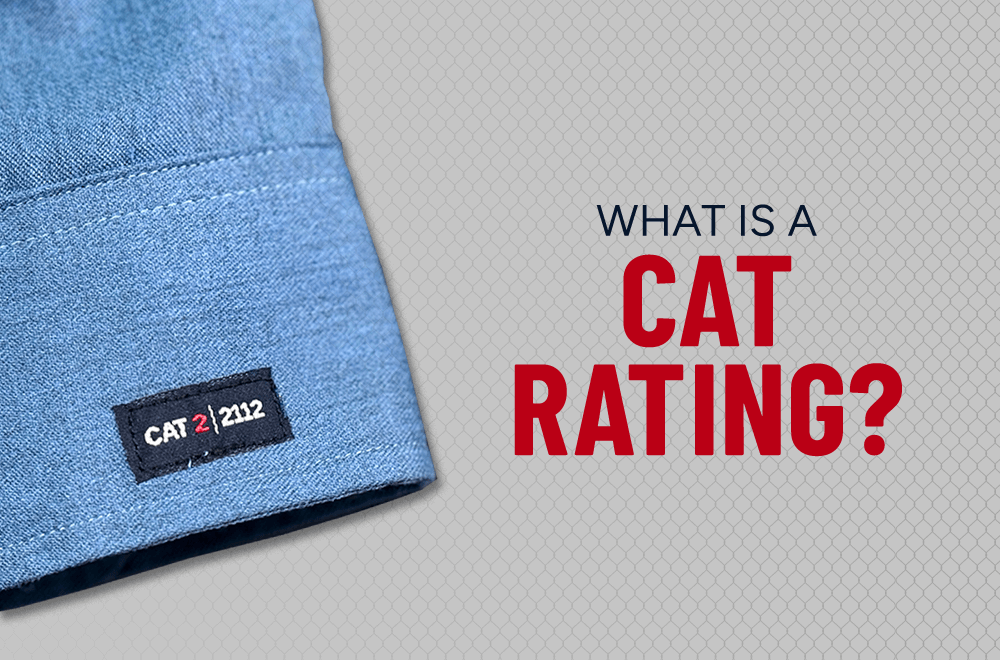
What is a CAT Rating?

Arc rated flame resistant (AR/FR) garments are required to have labels that clearly announce the level of protection they provide. One rating that appears on these garments is the CAT rating, short for PPE CATegory. The CAT rating tells wearers at a glance the category of protection the garment provides […]
September 24, 2018

The Cost of Providing Arc Flash Protection

So far in this series, we have explored the many costs of an arc flash incident, the frequency of arc flash incidents, and the economic costs involved. Now we’d like to take a look at how you can mitigate the damage – both personal and economic – in the event […]
September 13, 2018

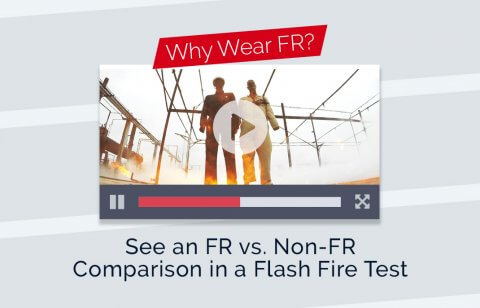
Not Wearing FR? See Why You Should.

If you’ve never witnessed a flash fire incident first-hand, it can be difficult to fully appreciate just how important it is to be fully protected by flame resistant clothing on the job. The direct injuries caused by the flames themselves can certainly be serious. But due to the relatively short […]
September 5, 2018

What Does an Arc Flash Injury Actually Cost Your Business?

So far we’ve looked at all the various costs an arc flash event can generate and just how often such events occur. Now we’d like to explore the economic impact an arc flash injury can have on your business. By far the greatest cost of any arc flash injury or […]
August 27, 2018

How Common are Arc Flash Incidents?

In our last post, we took a broad overview of the various costs associated with an arc flash event. But how often do arc flashes, let alone related injuries or death, actually occur. Many managers and owners justify their decision to not provide workers with arc rated, flame resistant (AR/FR) […]
August 15, 2018

The Many Costs of an Arc Flash Incident

Being caught in an arc flash incident can result in devastating primary costs on an unprotected worker. At best, an employee’s life and that of their family is turned upside down as they undergo a long, painful recovery and rehab process. At worst, a family is left coping with the […]
August 13, 2018

Surviving and Thriving After an Arc Flash

Tyndale learned of Brandon’s story and was impressed with his commitment to promoting safer work practices among electrical workers. We invited him to our headquarters and have since partnered with him on several occasions to widen the reach of his message. We last profiled Brandon in early 2018 – read […]
July 18, 2018

Summer Safety – 5 Tips to Avoid Heat Stroke

For those whose jobs require them to work outside – electric utility, oil and gas, and other industry workers – it’s not all “fun in the sun” during the summer months. Our summer safety blog series covers insect-repelling FR clothing and thunderstorm safety. In this post, we’re sharing some of the risks […]
June 25, 2018

Summer Safety – Best Practices for Staying Safe in a Thunderstorm

For those whose jobs require them to work outside – electric utility, oil and gas, and other industry workers – it’s not all “fun in the sun” during the summer months. Our summer safety blog series covers insect-repelling FR clothing and how to avoid heat stroke. In this post, we’re sharing […]
June 18, 2018

Summer Safety – Permethrin-Treated FR Clothing

It’s that time of year again! Between cookouts, pool parties, vacations, and other warm weather activities, people are spending more time outdoors. But for those whose jobs require them to work outside – electric utility, oil and gas, and other industry workers – it’s not all “fun in the sun” […]
May 15, 2018

Introducing the Versa Insulated Bomber Jacket

If you are required to wear arc-rated flame resistant (FR) clothing for your job, you may have experienced wearing uncomfortable, generic-looking FR at one time or another. Tyndale understands that workers are more likely to wear protective clothing – and wear it properly – when it’s comfortable and fashionable. Which […]
April 16, 2018

The Risk of Not Wearing Proper PPE

This is the final post in a four-part series exploring factors that could contribute to an arc flash incident, based on the experience of arc flash survivor and safety advocate, Brandon Schroeder. In the first three posts in the series, we talked about behavioral and company culture-related factors that could […]
April 4, 2018

Risks of Only Providing Task-Based AR

This is the third post in a four-part series exploring factors that could contribute to an arc flash incident, based on the experience of arc flash survivor and safety advocate, Brandon Schroeder. In the first two posts in the series, we explored behavioral and company culture-related factors that could lead […]
March 22, 2018

The Bottom Line: Comparing Task-Based and Daily Wear Programs

This is the final post in a series of five posts comparing and contrasting task-based and daily wear approaches to arc-rated (AR) clothing programs. Check out our first post here, and our posts exploring liability issues, challenges with layering, and challenges with monitoring and productivity. When choosing between a task-based and daily wear approach to protecting workers, […]
March 21, 2018

NFPA 70E 2018 – What’s New?

NFPA 70E has since been revised in 2021, though updates pertaining to AR / FR clothing were minor. NFPA 70E requirements for safe work practices protect personnel by reducing exposure to major electrical hazards. Originally developed at OSHA’s request, NFPA 70E helps companies and employees avoid workplace injuries and fatalities […]
March 19, 2018

Challenges with Monitoring and Productivity in Task-Based Systems

This is the fourth post in a series of five posts comparing and contrasting task-based and daily wear approaches to arc-rated (AR) clothing programs. Check out our first post here, and our posts exploring liability issues and challenges with layering. In our last post we will look at important takeaways. In a task-based program, […]
March 15, 2018

How Daily Wear Programs Solve Layering Challenges

This is the third post in a series of five posts comparing and contrasting task-based and daily wear approaches to arc-rated (AR) clothing programs. Check out our first post here, and our post exploring liability issues here. Next, we take a closer look at issues with monitoring and productivity, and key takeaways. As […]
March 13, 2018

Limiting Liability with a Daily Wear Program

This is the second post in a series of five posts comparing and contrasting task-based and daily wear approaches to arc-rated (AR) clothing programs. Check out our first post here. Next, we take a closer look at issues like challenges with layering, monitoring and productivity, and key takeaways. When deciding […]
March 9, 2018

Which is Safer, a Task-Based or Daily Wear Approach to AR Clothing?

This is the first post in a series of five posts comparing and contrasting task-based and daily wear approaches to arc-rated (AR) clothing programs. Next, we take a closer look at issues like liability, challenges with layering, monitoring and productivity, and key takeaways. As we saw in our last post, […]
February 28, 2018

How Experience Leads to Risky Behavior

This is the first post in a four-part series exploring factors that could contribute to an arc flash incident, based on the experience of arc flash survivor and safety advocate Brandon Schroeder. Picture this: You’ve been a licensed electrician since you were 23 years old, with five years as an […]
December 27, 2017

What is Arc Flash Analysis?

If you wear arc-rated (AR) clothing and personal protective equipment (PPE) with a protective rating higher than a possible arc is likely to have, you can ensure you won’t be burned in the event of an arc flash. But how do you know what incident energy is possible, so you […]
November 14, 2017

What are the Main Causes of an Arc Flash?

If you work with energized electrical equipment, you’ve probably heard of an arc flash. And, with some estimates showing thousands of arc flash incidents per year, you may have even seen this deadly hazard on the job. While wearing arc-rated (AR) clothing is an integral part of protecting yourself against arc […]
November 2, 2017

Top 10 Safety Violations Cited by OSHA in 2017

The results are in – and it turns out that the most common workplace violations cited by OSHA in fiscal year 2017 are nearly identical to the 2016 list. The one difference:  “Fall Protection – Training Requirements” debuts at number 9, knocking “Electrical – General Requirements” off the list. The […]
October 27, 2017

Which Type of Arc Rating Best Measures Protection?

The evidence is clear, arc-rated (AR) clothing saves lives! In the event of an arc flash, AR clothing does not ignite, and they insulate you against the hazard so that you’re not burned through the fabric. As we saw in our last post, ASTM F1959, Standard Test Method for Determining the Arc Rating of Materials […]
October 19, 2017

Is Compliance with NFPA 70E Mandatory?

NFPA 70E has since been revised in 2021, though updates pertaining to AR / FR clothing were minor. There are no shortcuts when it comes to keeping workers safe. In fact, it’s usually in the company’s – and the employee’s – best interest to incorporate voluntary safeguards above and beyond […]
October 9, 2017

What is an Arc Rating?

Arc-rated (AR) clothing is critical in the presence of an arc flash hazard because it will not ignite and continue to burn. This can save your life! AR clothing also performs a second function, insulating you against the hazard so that you’re not burned through the fabric. But what is an arc rating, […]
May 1, 2017

Flash Fire Compliance Versus Protection

When it comes to protecting workers, sometimes compliance takes the spotlight in corporate decision making. If you’re in compliance, your workers are protected, right? This is not necessarily true, particularly when purchasing flame resistant clothing (FRC) for flash fire protection.
April 26, 2017

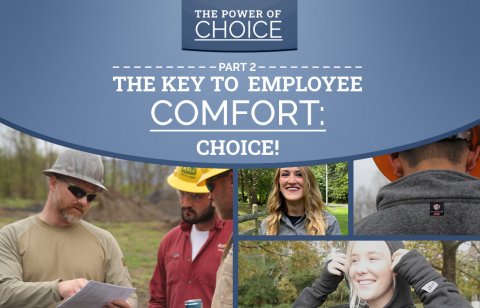
The Key to Employee Comfort: Choice!

Comfort is usually top of mind when deciding what to wear. There are many factors that contribute to comfort including a physical element – how the garment fits and feels – and an emotional element – how you feel when you wear the garment. Both are extremely subjective, differing from […]
April 24, 2017

AR and FR Clothing: What’s the Difference?

When it comes to protective clothing, keeping track of the many standards, terms, and abbreviations can be challenging. One question we commonly receive is: what is the difference between arc-rated (AR) clothing and flame resistant (FR) clothing? Scott Margolin, our resident technical expert, explains the subtle but important difference:
March 24, 2017

Introducing the Power of Choice to AR / FR Clothing Programs

Human nature is to resist being told what to do because lack of control is oppressive and disempowering, even when you recognize the requirement is in your best interest.  However, when people have options, even when all those options meet the requirements, they are more likely to comply, more likely […]
March 23, 2017

Base Layer Basics

It’s clear that arc-rated flame resistant (FR) clothing – shirts, pants and outerwear – is necessary to protect against hazards on-the-job for those that risk exposure to arc flash or flash fire in their everyday work environments. But what about what you wear underneath, what’s next to your skin?  How […]
February 27, 2017

OSHA’s Updated Rule on Fall Protection

Slip, trip, and fall hazards are some of the leading causes of worker deaths and injuries, and the most commonly cited OSHA violation (see the other nine most cited OSHA violations here). In order to address this important component of worker safety, OSHA has released a final rule updating its […]
January 16, 2017

HRC to CAT: Look Out for NFPA 70E Labeling Change

NFPA 70E has since been revised in 2018 and 2021. Please review our newer posts for the latest information. NFPA 70E Standard for Electrical Safety in the Workplace is periodically updated to support workers and their employers in preventing workplace injuries and fatalities from shock, electrocution, arc flash, and arc […]
December 23, 2016

Most Popular Boots for Workers Requiring Foot Protection

The saying goes, “If the shoe fits, wear it.” But when it comes to protective footwear, it’s much more than that!  At Tyndale, our commitment to providing the best products doesn’t stop at flame resistant (FR) clothing. In fact, we are much more than just an FR clothing supplier!
December 19, 2016

5 Easy Steps for Choosing Foot Protection

Want to be sure your workers have the right foot protection on the job – but just not sure where to start?  Choosing protective footwear is no easy task!  Critically, incorrect or insufficient footwear can lead to compliance issues and even worker injury in the event of an incident.  Follow […]
December 1, 2016

Leading FR Rainwear for Energy Workers

Our country’s demand for energy does not take a break during bad weather, and neither do the brave men and women working to keep the lights on or produce the fuels we rely on each day. It is critical to ensure these workers have access to protective rainwear during inclement […]
September 27, 2016

Summary of ASTM F2892: Soft Toe Protective Footwear Standard

This is the fourth and final post in a four-part series providing an overview of Tyndale’s boot program along with the applicable industry standards – ASTM F2412, ASTM F2413, and ASTM F2892. In this post we provide an overview of ASTM F2892, Standard Specification for Performance Requirements for Soft Toe […]
September 22, 2016

What You Should Know about ASTM F2413 for Protective Footwear

This is the third post in a four-part series providing an overview of Tyndale’s boot program along with the applicable industry standards – ASTM F2412, ASTM F2413, and ASTM F2892. In this post we provide an overview of ASTM F2413, Standard Specification for Performance Requirements for Protective (Safety) Toe Cap […]
September 9, 2016

Understanding the Test Methods that Govern Foot Protection

This is the second post in a four-part series providing an overview of Tyndale’s boot program along with the applicable industry standards – ASTM F2412, ASTM F2413, and ASTM F2892. In this post we provide an overview of ASTM F2412, Standard Test Methods for Foot Protection.
September 1, 2016

Three Tips for Selecting FR Rainwear

When it comes to flame resistant (FR) rainwear, the risks are real; Ineffective rainwear can make your workers uncomfortable – reducing productivity – while putting them at risk for heat stress or cold stress. Critically, for workers who face arc flash or flash fire hazards as part of their outdoor […]
August 31, 2016

Workers Looking to Give Their Old Boots the Boot?

This is the first post in a four-part series providing an overview of Tyndale’s boot program along with the applicable industry standards – ASTM F2412, ASTM F2413, and ASTM F2892. In this post we provide an overview of our boot program, which offers flexible solutions for company’s requiring foot protection […]
August 26, 2016

Does my Rainwear Protect Against Flash Fire Exposures?

ASTM F2733, Standard Specification for Flame Resistant Rainwear for Protection Against Flame Hazards, contains minimum performance specifications and other requirements for rainwear used to protect workers from hydrocarbon or petrochemical flash fires in wet conditions.
August 18, 2016

What Standard Governs Arc Flash Protective Rainwear?

ASTM F1891, Standard Specification for Arc and Flame Resistant Rainwear, establishes minimum performance specifications, test methods, and other suggested information – including a sizing guide and purchasing specification – for rainwear used to protect workers from momentary exposures to arc flashes or flame.
August 11, 2016

Tired of Headaches Around Buying and Distributing FR Rainwear?

…Let Tyndale manage the program for you! Rainwear is critical to maintaining comfort and healthy body temperature in wet conditions. Otherwise, your clothing will absorb both precipitation and your body’s perspiration as you work. Wet clothing, in turn, reduces energy efficiency, productivity, and leaves you open to cold stress.  Most critically, […]
August 10, 2016

Get Even More Out of Your Tyndale Program!

At Tyndale, we’ve built our business on saving our customers time and money while increasing tracking and reporting for arc-rated/flame resistant clothing (FRC). But Tyndale is much more than an FRC supplier. Take your program one step farther by consolidating your protective boot, FR rainwear, and storeroom PPE supply programs […]
March 3, 2016

Who is Responsible for FRC Use, Care, and Maintenance?

What do industry standards say about flame resistant clothing (FRC) use, care, and maintenance in oil and gas applications? And who is responsible for making sure garments meet those expectations? What tools are available to employers to support compliance with the requirements?  In this blog post, we explore and compare […]
January 26, 2016

Gear Up for Cold Weather with Tyndale’s Uniform Outerwear Solution

Cold weather has arrived – now is the perfect time to choose outerwear for employees exposed to winter weather conditions! The most important factors to consider when looking into FR outerwear for your employees are safety, comfort, company image and budgetary requirements. Tyndale offers a unique solution specifically designed to […]
October 2, 2015

Tyndale Introduces Revolutionary HRC 4 Arc Suit

Tired of hot, bulky arc suits that slow you down? Want something that’s lightweight and comfortable with the same protective qualities? Tyndale has you covered! Our innovative, new Lightweight 40 Cal Arc Suit (M830Y & M820Y) is easy to slip on and off over your daily wear and offers a […]
August 4, 2015

Hugh Hoagland Addresses Comfort & Contamination in FRC

Although many utility employers began providing arc-rated clothing well before the new OSHA 1910.269, those who are now installing arc-rated clothing programs may face questions and sometimes friction from workers who are accustomed to wearing non-FR on the job.
March 31, 2015

What Does 1910.269 Say About Socks and Underwear?

OSHA’s 2014 1910.269 ruling marks a distinct departure from its predecessor. In fact, up until the new rule was promulgated, 1910.269 simply required that clothing “do no harm” in the event of an arc flash. In stark contrast, the 2014 ruling specifically requires employers to provide arc/flame resistant (FR) clothing […]
March 27, 2015

Does NFPA 70E Require Sweatshirts to be Tucked In?

NFPA 70E has since been revised in 2018 and 2021. Please review our newer posts for the latest information. In October 2014, NFPA released the 2015 edition of NFPA 70E, a voluntary standard developed to reduce exposure to major electrical hazards in the workplace. This standard includes guidance on risk […]
March 17, 2015

Tyndale’s Top Five OSHA 1910.269 Blog Posts

Since OSHA promulgated the new 1910.269 in April 2014, Tyndale has been hard at work partnering with employers to understand and gain compliance with the new provisions—helping workers return home to their families safely each night. Join thousands of readers in taking advantage of our top five OSHA 1910.269 blog […]
January 5, 2015

Final Steps for OSHA 1910.269 Compliance

Important Note: As of February 2015, compliance dates have changed for enforcement of OSHA standard 1910.269. These changes impact dates listed in this post. Click here for complete details and updated deadlines. As part of OSHA’s 2014 final rule for 29 CFR 1910.269, OSHA mandated employers in electric power generation, transmission, […]
October 30, 2014

Tyndale PPE Guidance Featured in ISHN October 2014

Read Tyndale’s article, featured on page 44 of the October 2014 edition of Industrial Safety & Hygiene News (ISHN) Magazine, for guidance to employers looking to understand both OSHA’s 2014 update to 29 CFR 1910.269 and OSHA’s view of care and maintenance for PPE in a broader context—beyond the utility […]
October 24, 2014

Tyndale in ISHN Magazine: Steps to Comply with 1910.269

OSHA’s 2014 updates to 29 CFR 1910.269 are generally embraced as much-needed measures to better protect the men and women who work on or near electric power lines. Read Tyndale’s article featured on page 44 of the July 2014 issue of Industrial Safety & Hygiene News Magazine (ISHN) for four […]
September 18, 2014

6 Critical Changes to OSHA 1910.269 Regarding FRC

On April 11, 2014, OSHA published to the Federal Register the final rule revising 29 CFR 1910.269 and 1926 Subpart V, related to the construction and repair of electric power generation, transmission and distribution in an effort to improve workplace safety. This recent change to OSHA 1910.269 updates the standard […]
July 21, 2014

What Is the Difference Between Arc-Rated Clothing and FR Clothing?

Understanding all of the acronyms for clothing and standards in the electric industry can make your head spin. One common question we get is: what is the difference between arc-rated and flame resistant clothing – if there is any difference at all? FR stands for “flame resistant clothing,” specifically. An […]
July 7, 2014

OSHA 1910.269 FR Clothing Update: 3 Reasons to Act Now

Important Note: As of February 2015, compliance dates have changed for enforcement of OSHA standard 1910.269. These changes impact dates listed in this post. Click here for complete details and updated deadlines. In April 2014, OSHA issued a ruling revising 29 CFR 1910.269 and 1926 subpart V, standards governing workplace […]
June 11, 2014

Summer Heat Safety in FR Clothing

As summer draws on and the sun hangs longer in the sky, finding that much needed relief from the heat can be a challenge, particularly for those that work outside for extended periods of time. Even so, preventing heat stress, heat stroke, and other heat-related health issues comes from knowing […]
May 22, 2014

Key OSHA 29 CFR 1910.269 Update: Full Body Protection Against Arc Hazards

During National Electrical Safety Month, Tyndale has been discussing key aspects of OSHA’s revised ruling as it applies to FR clothing and seeks to help employers understand how the new rule will impact their role in properly protecting employees. The second key component of OSHA’s final ruling as it relates […]
May 20, 2014

Key OSHA 29 CFR 1910.269 Update: FR Clothing is Personal Protective Equipment

On April 11, 2014, OSHA published to the Federal Register the final rule revising 29 CFR 1910.269 and 1926 Subpart V, related to the construction and repair of electric power generation, transmission and distribution in an effort to improve workplace safety. In honor of National Electrical Safety Month, Tyndale will […]
May 15, 2014

Understanding Critical Changes to OSHA 1910.269 During Electrical Safety Month

May is National Electrical Safety Month, an important time to bring electrical safety awareness to our communities, to help educate the public and prevent injury. Coinciding with National Electrical Safety Month is the recent change to OSHA 1910.269 which updates the standard providing electrical safety guidance for those in the […]
April 10, 2014

OSHA 1910.269 Revised Ruling: Download Tyndale’s Frequently Asked Questions

Please be advised that OSHA’s final rule for 29 CFR 1910.269 and 1926 Subpart V – Federal standards governing employee safety in activities related to the construction and repair of electrical power generation, transmission, and distribution equipment – has officially been issued and was published to the national register on […]
February 24, 2014

Attend Tyndale’s NFPA 70E Low Voltage Qualified Training Class April 23rd

Tyndale has partnered with e-Hazard to bring you an engaging one-day seminar on NFPA 70E and OSHA electrical safety requirements. Used by more NFPA 70E committee members, e-Hazard’s training provides a thorough knowledge of the dangers and recommended safe behaviors for those who work around electric hazards daily. This course […]
February 10, 2014

ASTM D6413: Vertical Flame Test for Flame Resistance of Textiles

ASTM D6413 is the Standard Test Method for Flame Resistance of Textiles (vertical test). ASTM D6413 is used to determine flame resistance of fabrics used to protect against both electric arc and flash fire hazards. This is the defining test method for compliance with OSHA 1910.269 and one of the […]
January 27, 2014

Understanding Protection Against Combustible Dust Hazards

Defining the Hazard According to OSHA, any combustible material can burn rapidly when in a finely divided form. If such dust is suspended in the air in the right concentration, under certain conditions, it can explode. The elements needed for a dust-related explosion include: 1. Fuel (combustible dust) 2. Heat […]
January 7, 2014

Do Logos Used on FRC Need to be Flame Resistant?

Note: We cover this topic in a more recent post: Should FR Clothing Embellishments Be Flame Resistant? One of the most common questions in the flame resistant clothing industry is whether or not company logos or other types of embroidery should be FR. While industry standards agree that logos for […]
December 16, 2013

Enhanced Visibility Options for FRC Clothing

United States law requires all personnel working on a federally funded highway to wear high visibility clothing. Two states, Minnesota and Wisconsin, have gone above and beyond the federal mandate and have adopted ANSI 107 into state law (1). Industries that operate during the day or at night, in good […]
October 25, 2013

Flash Fire Basics and Innovative Product Solutions

What is Flash Fire? Among the many dangers oil and gas workers face, flash fires pose one of the most threatening risks. The National Fire Protection Association (NFPA) defines flash fire as, “A fire that spreads rapidly through a diffuse fuel, such as dust, gas or the vapors of an […]
August 30, 2013

Get Your Copy of Tyndale’s Sample FRC Flash Fire Policy

Are you or your workers at risk of facing flash fires? Navigating the new regulations surrounding the use of FRC to protect against flash fire can be confusing and difficult. We at Tyndale have developed a sample FRC flash fire policy that you can use for your company. Since the […]
July 23, 2013

Made in USA: Safety Solutions that Protect Workers

Worker Safety in the News Many organizations are urging overseas apparel manufacturers to adopt workplace safety solutions after the tragic incident in April when over 1,100 Bangladeshi workers died when their apparel/textile manufacturing plant collapsed (1). In many countries, employees face dangerous working conditions for extremely low wages, in factories […]
✕