Support 24/7
Text 215-766-5665

✕

Support 24/7
Text 215-766-5665

Support 24/7
Text 215-766-5665

✕

Support 24/7
Text 215-766-5665

December 2, 2022

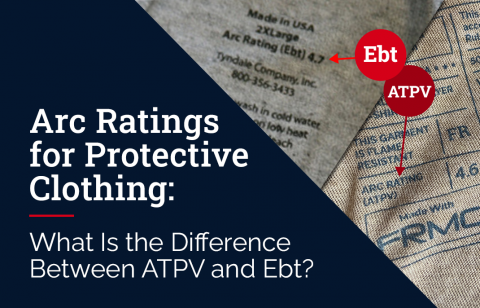
Arc Ratings for FR Clothing: What is the Difference Between ATPV and EBT?

To better understand arc ratings – what they are and the difference between the two ways they are measured – we define them below and link back to Tyndale’s Arc Week Season 3, which covers the science behind all things arc flash. What is an Arc Rating? Simply put, an […]
January 8, 2019

Important Changes to NFPA 2112 – 2018 Edition

NFPA 2112, Standard on Flame Resistant Clothing for Protection of Industrial Personnel Against Short-Duration Thermal Exposures from Fire, was revised and an updated edition was issued earlier this year. Below, we provide an overview of the important changes: Updated Title and New Terminology One of the biggest changes in the […]
October 22, 2018

Do All FR Fabrics Offer Equal Protection?

In an earlier post, we showed you how a Westex DH shirt and pant stacked up against 100% cotton and a cotton/poly blend when it comes to protecting you against a flash fire hazard. The verdict was clear. Wearing non-FR clothing when a flash fire hazard exists could lead to […]
March 21, 2018

NFPA 70E 2018 – What’s New?

NFPA 70E has since been revised in 2021, though updates pertaining to AR / FR clothing were minor. NFPA 70E requirements for safe work practices protect personnel by reducing exposure to major electrical hazards. Originally developed at OSHA’s request, NFPA 70E helps companies and employees avoid workplace injuries and fatalities […]
October 19, 2017

Is Compliance with NFPA 70E Mandatory?

NFPA 70E has since been revised in 2021, though updates pertaining to AR / FR clothing were minor. There are no shortcuts when it comes to keeping workers safe. In fact, it’s usually in the company’s – and the employee’s – best interest to incorporate voluntary safeguards above and beyond […]
May 8, 2017

Increase Access to Innovation through Choice!

We live in a time of continuous innovation, with fierce competition to offer the next best thing. In a retail setting, consumers have access to a wide range of products, with broad choice based on personal preference. Why should this experience be any different in arc-rated and flame resistant (AR […]
April 26, 2017

The Key to Employee Comfort: Choice!

Comfort is usually top of mind when deciding what to wear. There are many factors that contribute to comfort including a physical element – how the garment fits and feels – and an emotional element – how you feel when you wear the garment. Both are extremely subjective, differing from […]
March 24, 2017

Introducing the Power of Choice to AR / FR Clothing Programs

Human nature is to resist being told what to do because lack of control is oppressive and disempowering, even when you recognize the requirement is in your best interest.  However, when people have options, even when all those options meet the requirements, they are more likely to comply, more likely […]
January 26, 2016

Gear Up for Cold Weather with Tyndale’s Uniform Outerwear Solution

Cold weather has arrived – now is the perfect time to choose outerwear for employees exposed to winter weather conditions! The most important factors to consider when looking into FR outerwear for your employees are safety, comfort, company image and budgetary requirements. Tyndale offers a unique solution specifically designed to […]
October 29, 2014

4 Important Changes to NFPA 70E 2015 Edition for FRC

NFPA 70E has since been revised in 2018 and 2021. Please review our newer posts for the latest information. NFPA 70E is a voluntary standard advising on electrical safety in the workplace. This standard is geared toward workers and employers, and is designed to assist in the understanding and implementation […]
July 24, 2014

Tyndale Introduces Our New Layer 1 Performance T-Shirt (M010T)

Tyndale is pleased to add NFPA 2112-certified garments to our complete catalog of clothing offering flash fire protection. For companies facing flash fire hazards in their workplaces, Tyndale offers a dynamic mix of products that meet manufacturing and testing criteria for flash fire protection.
July 21, 2014

What Is the Difference Between Arc-Rated Clothing and FR Clothing?

Understanding all of the acronyms for clothing and standards in the electric industry can make your head spin. One common question we get is: what is the difference between arc-rated and flame resistant clothing – if there is any difference at all? FR stands for “flame resistant clothing,” specifically. An […]
February 27, 2014

What is the ASTM F2700 Heat Transfer Performance (HTP) Test for FRC?

When the 2012 edition of the NFPA 2112 standard was published, a number of changes were made to clarify certain areas, add information in areas not previously covered, and keep some terminology to be consistent with NFPA 2113. NFPA 2112 essentially evaluates protective performance of FR garments in flash fires, […]
February 24, 2014

Attend Tyndale’s NFPA 70E Low Voltage Qualified Training Class April 23rd

Tyndale has partnered with e-Hazard to bring you an engaging one-day seminar on NFPA 70E and OSHA electrical safety requirements. Used by more NFPA 70E committee members, e-Hazard’s training provides a thorough knowledge of the dangers and recommended safe behaviors for those who work around electric hazards daily. This course […]
February 10, 2014

ASTM D6413: Vertical Flame Test for Flame Resistance of Textiles

ASTM D6413 is the Standard Test Method for Flame Resistance of Textiles (vertical test). ASTM D6413 is used to determine flame resistance of fabrics used to protect against both electric arc and flash fire hazards. This is the defining test method for compliance with OSHA 1910.269 and one of the […]
January 27, 2014

Understanding Protection Against Combustible Dust Hazards

Defining the Hazard According to OSHA, any combustible material can burn rapidly when in a finely divided form. If such dust is suspended in the air in the right concentration, under certain conditions, it can explode. The elements needed for a dust-related explosion include: 1. Fuel (combustible dust) 2. Heat […]
January 7, 2014

Do Logos Used on FRC Need to be Flame Resistant?

Note: We cover this topic in a more recent post: Should FR Clothing Embellishments Be Flame Resistant? One of the most common questions in the flame resistant clothing industry is whether or not company logos or other types of embroidery should be FR. While industry standards agree that logos for […]
December 18, 2013

How Global Sourcing Affects FR Clothing

As we touched on in an earlier blog post in July, companies across the country are realizing that it makes financial sense to manufacture domestically. The same is true in textiles and FR clothing where increasing labor costs abroad and technological advances in the U.S. are fueling demand for American-made […]
November 7, 2013

What You Need to Know: ASTM F2733 – FR Rainwear Standard for Flame Hazards

Fall is a time of year when weather conditions can vary widely – from sun to rain to snow depending on your location. Rainwear is FR protection that is frequently overlooked but can be a much desired item of clothing by your workers as colder temperatures and wet weather roll […]
October 25, 2013

Flash Fire Basics and Innovative Product Solutions

What is Flash Fire? Among the many dangers oil and gas workers face, flash fires pose one of the most threatening risks. The National Fire Protection Association (NFPA) defines flash fire as, “A fire that spreads rapidly through a diffuse fuel, such as dust, gas or the vapors of an […]
September 5, 2013

Electric Arc Flash Protection: FR Jeans vs. Non-FR Jeans

Electrical safety should be taken very seriously as arc flash is one of the most prevalent hazards when working around energized parts. According to the Electrical Safety Foundation International (ESFI): Electrical accidents cause more than 300 deaths and 4,000 injuries in the workplace each year, and Electrical injuries in general […]
August 30, 2013

Get Your Copy of Tyndale’s Sample FRC Flash Fire Policy

Are you or your workers at risk of facing flash fires? Navigating the new regulations surrounding the use of FRC to protect against flash fire can be confusing and difficult. We at Tyndale have developed a sample FRC flash fire policy that you can use for your company. Since the […]
August 13, 2013

A Guide to Understanding Industry Hazards

Protective clothing and safety apparel can benefit workers in a variety of industries, so it is important to understand the risks and specific industry hazards employees face at their jobs. While both an electric arc flash and flash fire can be fatal, the duration and temperature at which these two […]
August 6, 2013

The OSHA 1910.132 FRC Flash Fire Memo: FR Fabrics Not Flash Fire Tested

This is the fourth post of a four-part series where we cover recommendations for compliance with OSHA 1910.132 FRC Flash Fire Memo.  The final, and least rigorous, approach for meeting the OSHA 1910.132 requirements would be to use garments that meet the arc flash requirements of NFPA 70E, or are […]
August 1, 2013

Flash Fire Rated Garments Complying with OSHA 1910.132 FRC Flash Fire Memo

This is the third post of a four-part series where we cover recommendations for compliance with OSHA 1910.132 FRC Flash Fire Memo.  A second option for garment specification that would meet OSHA 1910.132 standard requirements is to choose garments made from fabrics that are tested according ASTM F1930 at 3 […]
July 30, 2013

NFPA 2112 and Compliance with OSHA 1910.132 FRC Flash Fire Memo

This is the second post of a four-part series where we cover recommendations for compliance with OSHA 1910.132 FRC Flash Fire Memo.  The first option for garment specification that would meet OSHA 1910.132 standard requirements is the threshold that garments meet NFPA 2112. NFPA 2112 specifies the minimum design, performance, […]
July 26, 2013

Recommendations for Compliance with OSHA 1910.132 FRC Flash Fire Memo

This is the first post of a four-part series where we will cover recommendations for compliance with OSHA 1910.132 FRC Flash Fire Memo.  The following information is intended to provide insight into compliance with the March 19, 2010 Enforcement Policy Letter issued by OSHA for compliance with OSHA 1910.132 as […]
✕