

Support 24/7
Text 215-766-5665

✕

Support 24/7
Text 215-766-5665

Support 24/7
Text 215-766-5665

✕

Support 24/7
Text 215-766-5665

December 2, 2022

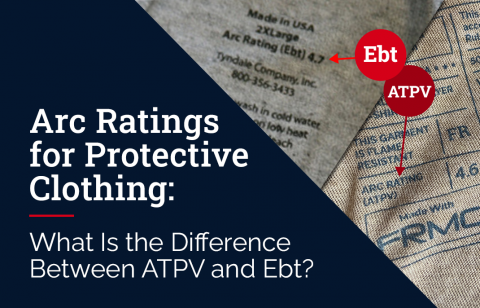
Arc Ratings for FR Clothing: What is the Difference Between ATPV and EBT?

To better understand arc ratings – what they are and the difference between the two ways they are measured – we define them below and link back to Tyndale’s Arc Week Season 3, which covers the science behind all things arc flash. What is an Arc Rating? Simply put, an […]
December 10, 2018

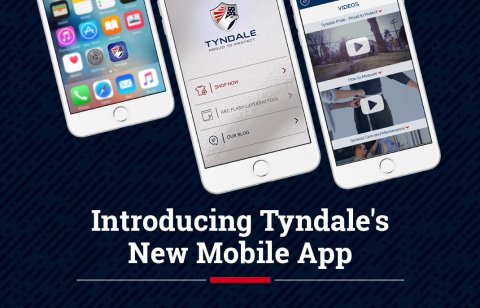
Introducing Tyndale’s Mobile App

These days, everything – news, weather, social media, shopping, and more – is available at your fingertips by using your mobile device. So, why not your flame resistant (FR) clothing? Tyndale recently launched our mobile app – Tyndale FRC – from which you can quickly and easily shop your company’s […]
October 2, 2018

VIDEO: FR Rainwear vs. Non-FR Rainwear in a Flash Fire

Spoiler alert: you DO NOT want to be caught wearing non-FR rainwear during a short duration thermal exposure or flash fire. Even some rainwear garments that are labeled as flame resistant (FR), compliant with ASTM D6413 are dangerous to wear if you’re exposed to a flash fire hazard. In this […]
June 18, 2018

Summer Safety – Permethrin-Treated FR Clothing

It’s that time of year again! Between cookouts, pool parties, vacations, and other warm weather activities, people are spending more time outdoors. But for those whose jobs require them to work outside – electric utility, oil and gas, and other industry workers – it’s not all “fun in the sun” […]
October 27, 2017

Which Type of Arc Rating Best Measures Protection?

The evidence is clear, arc-rated (AR) clothing saves lives! In the event of an arc flash, AR clothing does not ignite, and they insulate you against the hazard so that you’re not burned through the fabric. As we saw in our last post, ASTM F1959, Standard Test Method for Determining the Arc Rating of Materials […]
December 23, 2016

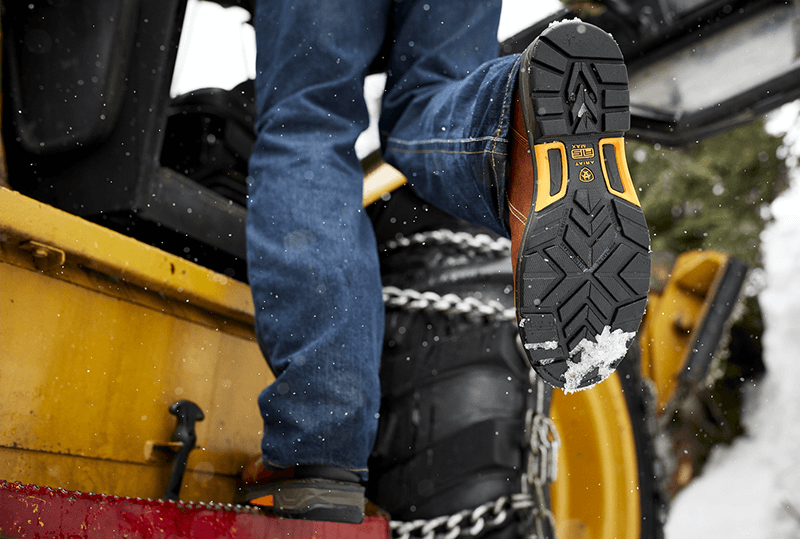
Most Popular Boots for Workers Requiring Foot Protection

The saying goes, “If the shoe fits, wear it.” But when it comes to protective footwear, it’s much more than that!  At Tyndale, our commitment to providing the best products doesn’t stop at flame resistant (FR) clothing. In fact, we are much more than just an FR clothing supplier!
December 19, 2016

5 Easy Steps for Choosing Foot Protection

Want to be sure your workers have the right foot protection on the job – but just not sure where to start?  Choosing protective footwear is no easy task!  Critically, incorrect or insufficient footwear can lead to compliance issues and even worker injury in the event of an incident.  Follow […]
September 27, 2016

Summary of ASTM F2892: Soft Toe Protective Footwear Standard

This is the fourth and final post in a four-part series providing an overview of Tyndale’s boot program along with the applicable industry standards – ASTM F2412, ASTM F2413, and ASTM F2892. In this post we provide an overview of ASTM F2892, Standard Specification for Performance Requirements for Soft Toe […]
September 22, 2016

What You Should Know about ASTM F2413 for Protective Footwear

This is the third post in a four-part series providing an overview of Tyndale’s boot program along with the applicable industry standards – ASTM F2412, ASTM F2413, and ASTM F2892. In this post we provide an overview of ASTM F2413, Standard Specification for Performance Requirements for Protective (Safety) Toe Cap […]
September 9, 2016

Understanding the Test Methods that Govern Foot Protection

This is the second post in a four-part series providing an overview of Tyndale’s boot program along with the applicable industry standards – ASTM F2412, ASTM F2413, and ASTM F2892. In this post we provide an overview of ASTM F2412, Standard Test Methods for Foot Protection.
September 1, 2016

Three Tips for Selecting FR Rainwear

When it comes to flame resistant (FR) rainwear, the risks are real; Ineffective rainwear can make your workers uncomfortable – reducing productivity – while putting them at risk for heat stress or cold stress. Critically, for workers who face arc flash or flash fire hazards as part of their outdoor […]
August 31, 2016

Workers Looking to Give Their Old Boots the Boot?

This is the first post in a four-part series providing an overview of Tyndale’s boot program along with the applicable industry standards – ASTM F2412, ASTM F2413, and ASTM F2892. In this post we provide an overview of our boot program, which offers flexible solutions for company’s requiring foot protection […]
January 16, 2015

What is the Clo Value of FR Clothing?

One question many workers ask is how to stay warm in cold outdoor weather. Environmental conditions including outside temperature, wind speed and humidity level play a large part in how comfortable a worker will be. We’ve taken a look at heat stress, when heat needs to be released from the […]
July 28, 2014

3 Things to Look for When Signing a Contract with an AR / FR Clothing Supplier

Now that you’re on your way to selecting an arc-rated and flame resistant (AR / FR) clothing supplier, what should you know before signing the contract? This post outlines important aspects of the clothing purchasing process with regards to the terms and conditions you’re agreeing to, as well as the […]
July 21, 2014

What Is the Difference Between Arc-Rated Clothing and FR Clothing?

Understanding all of the acronyms for clothing and standards in the electric industry can make your head spin. One common question we get is: what is the difference between arc-rated and flame resistant clothing – if there is any difference at all? FR stands for “flame resistant clothing,” specifically. An […]
February 27, 2014

What is the ASTM F2700 Heat Transfer Performance (HTP) Test for FRC?

When the 2012 edition of the NFPA 2112 standard was published, a number of changes were made to clarify certain areas, add information in areas not previously covered, and keep some terminology to be consistent with NFPA 2113. NFPA 2112 essentially evaluates protective performance of FR garments in flash fires, […]
February 10, 2014

ASTM D6413: Vertical Flame Test for Flame Resistance of Textiles

ASTM D6413 is the Standard Test Method for Flame Resistance of Textiles (vertical test). ASTM D6413 is used to determine flame resistance of fabrics used to protect against both electric arc and flash fire hazards. This is the defining test method for compliance with OSHA 1910.269 and one of the […]
January 29, 2014

Work Safely with Tyndale’s Boot Program for Foot Protection

Tyndale can develop a boot program to meet the needs of any organization requiring foot protection for their employees. The goal of our program is to deliver flexibility, choice and convenience to your company’s employees. Tyndale’s standard boot program offers two options for workers to purchase boots: direct from Tyndale […]
January 27, 2014

Understanding Protection Against Combustible Dust Hazards

Defining the Hazard According to OSHA, any combustible material can burn rapidly when in a finely divided form. If such dust is suspended in the air in the right concentration, under certain conditions, it can explode. The elements needed for a dust-related explosion include: 1. Fuel (combustible dust) 2. Heat […]
January 7, 2014

Do Logos Used on FRC Need to be Flame Resistant?

Note: We cover this topic in a more recent post: Should FR Clothing Embellishments Be Flame Resistant? One of the most common questions in the flame resistant clothing industry is whether or not company logos or other types of embroidery should be FR. While industry standards agree that logos for […]
December 18, 2013

How Global Sourcing Affects FR Clothing

As we touched on in an earlier blog post in July, companies across the country are realizing that it makes financial sense to manufacture domestically. The same is true in textiles and FR clothing where increasing labor costs abroad and technological advances in the U.S. are fueling demand for American-made […]
November 7, 2013

What You Need to Know: ASTM F2733 – FR Rainwear Standard for Flame Hazards

Fall is a time of year when weather conditions can vary widely – from sun to rain to snow depending on your location. Rainwear is FR protection that is frequently overlooked but can be a much desired item of clothing by your workers as colder temperatures and wet weather roll […]
October 25, 2013

Flash Fire Basics and Innovative Product Solutions

What is Flash Fire? Among the many dangers oil and gas workers face, flash fires pose one of the most threatening risks. The National Fire Protection Association (NFPA) defines flash fire as, “A fire that spreads rapidly through a diffuse fuel, such as dust, gas or the vapors of an […]
September 20, 2013

Using Fabric Softener with FRC Clothing: Should You or Shouldn’t You?

This blog post is the third, and final, part of a 3-part series. Previously in September, we covered How to Wash FR Clothing and its Useful Wear Life and Laundering Myths: Is Lint Contamination Really a Threat to Your FR Clothing?  Using fabric softener on FRC has been questioned over […]
August 13, 2013

A Guide to Understanding Industry Hazards

Protective clothing and safety apparel can benefit workers in a variety of industries, so it is important to understand the risks and specific industry hazards employees face at their jobs. While both an electric arc flash and flash fire can be fatal, the duration and temperature at which these two […]
August 6, 2013

The OSHA 1910.132 FRC Flash Fire Memo: FR Fabrics Not Flash Fire Tested

This is the fourth post of a four-part series where we cover recommendations for compliance with OSHA 1910.132 FRC Flash Fire Memo.  The final, and least rigorous, approach for meeting the OSHA 1910.132 requirements would be to use garments that meet the arc flash requirements of NFPA 70E, or are […]
August 1, 2013

Flash Fire Rated Garments Complying with OSHA 1910.132 FRC Flash Fire Memo

This is the third post of a four-part series where we cover recommendations for compliance with OSHA 1910.132 FRC Flash Fire Memo.  A second option for garment specification that would meet OSHA 1910.132 standard requirements is to choose garments made from fabrics that are tested according ASTM F1930 at 3 […]
July 26, 2013

Recommendations for Compliance with OSHA 1910.132 FRC Flash Fire Memo

This is the first post of a four-part series where we will cover recommendations for compliance with OSHA 1910.132 FRC Flash Fire Memo.  The following information is intended to provide insight into compliance with the March 19, 2010 Enforcement Policy Letter issued by OSHA for compliance with OSHA 1910.132 as […]
✕