




October 6, 2026
OSHA’s Top 10 Safety Violations for Fiscal Year 2025
November 7, 2025
The Occupational Safety and Health Administration (OSHA) recently announced its list of the Top 10 Safety Violations for fiscal year 2025—October 1, 2024 to September 30, 2025—at the NSC Safety Congress & Expo.
While the categories of most cited violations typically remain the same from year to year, the release of this list is an important checkpoint for companies and safety professionals to take a step back and evaluate their practices.
Top Safety Violations in 2025
- Fall Protection—General Requirements: 5,914
- Hazard Communication: 2,546
- Ladders: 2,405
- Lockout/Tagout: 2,177
- Respiratory Protection: 1,953
- Fall Protection—Training Requirements: 1,907
- Scaffolding: 1,905
- Powered Industrial Trucks: 1,826
- Personal Protective and Lifesaving Equipment—Eye and Face Protection: 1,665
- Machine Guarding: 1,239
While progress has lessened the number of workplace injuries and even deaths, these numbers still total in the thousands each year, and there lies much more work to be done to drastically reduce these citations.
OSHA’s Updated Arc Flash Safety Guidance
In November 2024, OSHA announced new guidelines for arc-flash safety, designed to reduce the number of preventable incidents for commercial, industrial, and residential electricians.
This guidance addresses two of the top 10 most cited violations: Lockout/Tagout (LOTO) and Personal Protective Equipment (PPE):
- De-energized is not the same as LOTO / Electrically Safe Work Conditions (ESWC) and requires an energized work permit AND arc-rated PPE.
- Low voltage (e.g., 120/208, 277, etc.) does not justify going without proper PPE. Low voltage is still hazardous!
Preventing Common Workplace Violations
To enhance their workplace safety programs, companies should:
- Review: Conduct an audit of your organization’s cited incidents from the past year. How does your list compare to OSHA’s top 10 list? Determine your biggest areas for improvement.
- Refine: Evaluate your current safety processes and look at employee feedback to home in on any areas that are lacking. Tighten the loose screws in your procedures.
- Train: Once you’ve updated your safety protocols, make sure everyone in your organization is well-trained on any new processes.
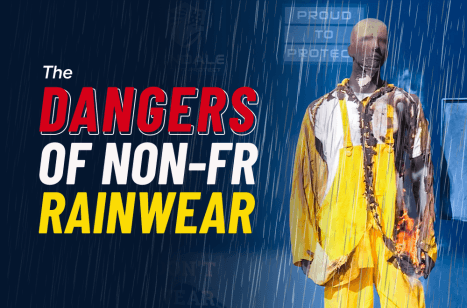
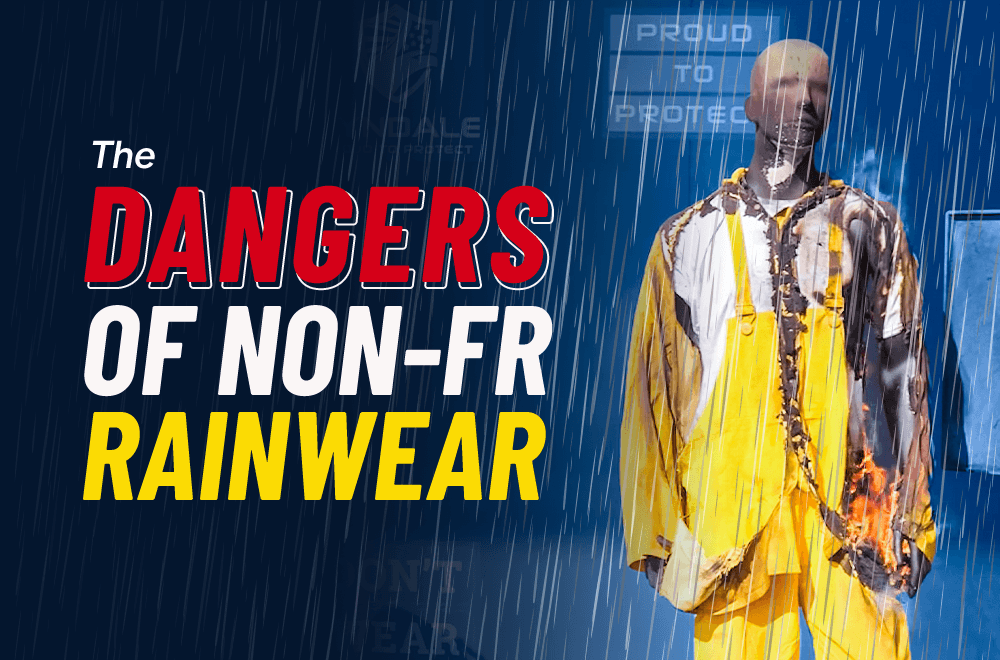
When it comes to workplace safety—especially electrical hazards—most if not all incidents are completely preventable with proper safeguards like arc-rated and flame resistant (AR/FR) clothing and other PPE. For more safety tips and insights, visit Tyndale’s FR Safety Resource Hub.