


Support 24/7
Text 215-766-5665

✕

Support 24/7
Text 215-766-5665

Support 24/7
Text 215-766-5665

✕

Support 24/7
Text 215-766-5665

April 26, 2024

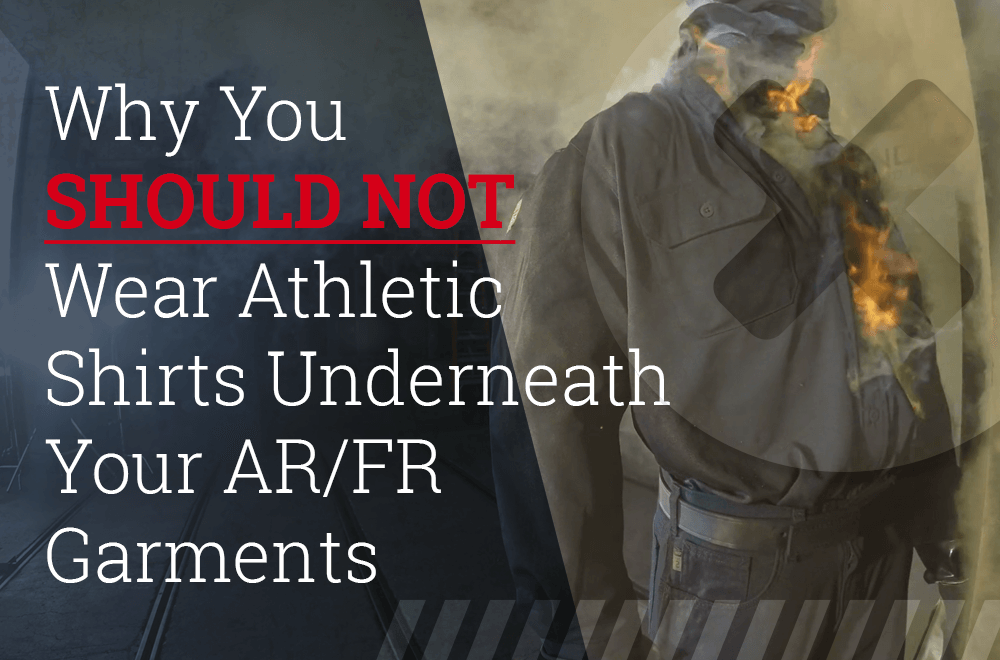
Why You Should NOT Wear Athletic Shirts Underneath Your AR / FR Garments

It’s critical to wear arc-rated and flame resistant (AR / FR) clothing while working in energized environments. Equally important, however, is what not to wear underneath your protective clothing, specifically moisture-wicking athletic wear. Tune in to the video below as our Lead Corporate Safety and Technical Trainer, Jason Brozen explains […]
October 12, 2023

New FR Base Layers to Love This Season

Layering is an excellent way to maintain comfort in in-between temperatures, when it’s chilly in the morning and evening but warm in between, and during the winter months, when you’re going between warm buildings and trucks and frigid outdoor weather. Too cold? Add a layer. Too warm? Remove a layer […]
September 27, 2023

Winterize Your Closet with New Outerwear by Tyndale

Fall is officially here, and that means it’s time to order outerwear. If you’re looking for a new vest, jacket, or coat this season, look no further. We’re pleased to introduce four new Tyndale outerwear styles – delivering the best in quality, warmth, style, and dual-hazard performance. With comfortable fabrics, […]
March 15, 2022

Proud to Protect Canada – Episode 3: What is CSA Z462?

In Episode 2 of our Proud to Protect Canada series, Tyndale’s Canada Sales Director, Paul Castelli, and VP of Technical, Scott Margolin, answer the question, what is an arc flash. Beyond the definition, they discussed what causes an arc flash, the dangers associated with an arc flash, and how to […]
December 7, 2021

How to Layer for Warmth in the Winter

Creating a safe work environment for workers goes beyond ensuring compliance with industry safety standards related to both electrical arc and flash fire hazards – it also means guaranteeing workers are comfortable so that they can perform their duties properly. During the winter months, when workers find themselves in various […]
November 12, 2021

Can Arc Ratings Be Added to Calculate Protection?

Tyndale-made arc-rated and flame resistant (AR / FR) garments feature an external label to indicate the garment’s protective ratings. These ratings explain two critical pieces of information about your AR / FR clothing: The Calorie Rating (CAL) – the level of protection the garment delivers The PPE Category (CAT) –  […]
August 24, 2021

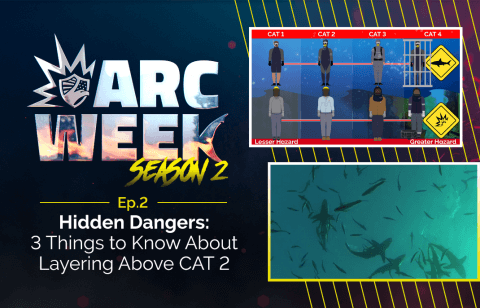
Arc Week Season 2, Ep. 2: Hidden Dangers – 3 Things to Know About Layering Above CAT 2

In both shark diving and industrial electrical work, risks exist on a scale. As we learned in Episode 1, when we recognize a greater hazard, we must increase our personal protective equipment (PPE) – including our arc-rated (AR) clothing system and other PPE – accordingly. For hazards above CAT 2 […]
August 10, 2021

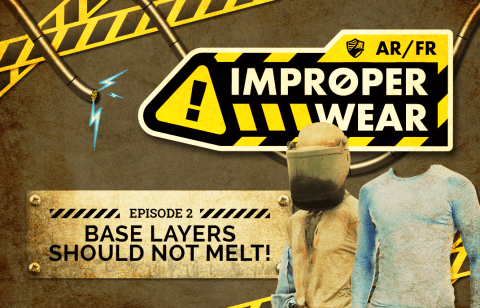
Dangers of Improper Wear: Episode 2 – Base Layers Should Not Melt!

Streetwear base layers are usually constructed from popular, man-made fabrics such as nylon, polypropylene, or spandex. When wearing these fabrics underneath arc-rated and flame resistant (AR / FR) clothing, you are at risk of serious injury, and we’re going to tell – and show –you why. When exposed to the […]
May 7, 2021

Does AR / FR Clothing Contribute to Heat Stress?

Summer is right around the corner, which means the heat is coming! With warmer weather comes questions around heat-related illnesses and whether or not wearing arc-rated and flame-resistant (AR / FR) protective apparel contributes to heat stress. What is heat stress? Heat stress occurs after you’ve been exposed to high […]
April 16, 2021

Which Standards Should My FR Rainwear Pass?

If you’re specifying or purchasing arc-rated and flame resistant (AR / FR) rainwear, it’s critical that you know which standards are used to make compliance claims. Tyndale strongly recommends against accepting or purchasing FR rainwear that is only using ASTM D6413, the vertical flame test, to make those claims. Which […]
October 23, 2020

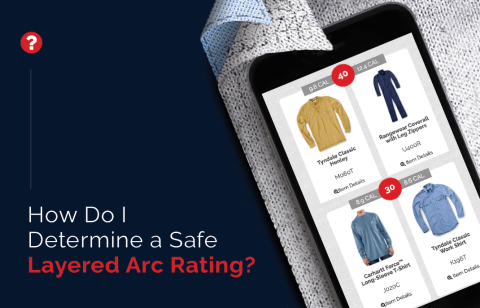
How Do I Determine a Safe Layered Arc Rating?

If you’re a frequent wearer of AR / FR clothing, you are familiar with what a garment’s arc rating means. If you’ve wondered how you can simply and easily increase your protection, the answer is layering. Layering is a powerful tool to achieve the protection you need with the comfort […]
March 13, 2020

Should I Wear FR Outerwear Over FR Clothing?

Yes! We published a blog post on what to wear under your flame resistant (FR) clothing, and today, we’re sharing what you should be wearing over your FR clothing. The answer: FR outerwear. During the cooler months, it’s important to wear outerwear to protect yourself from the elements and avoid […]
February 13, 2020

What Should I Wear Under My FRC?

This is a question we get fairly often, and for good reason: it’s not uncommon to wear an undershirt off the clock, for added comfort or warmth. How does this common practice apply in an energized work environment? What do the standards say, and how do the remaining options rate […]
December 12, 2019

What is Cold Stress?

Cold winter weather can be downright dangerous, and it is important to know the risks to workers and how to stay protected from harsh winters. According to the National Weather Service, 30% of injuries during winter storms are a result of being unprepared with adequate clothing. Depending on where you’re […]
February 6, 2019

The Power of Layering, in the Palm of Your Hand!

If you’re thinking about layering arc-rated flame resistant (FR) garments to achieve a desired level of arc flash protection, please remember – it’s not safe to simply add the arc ratings together. The only way to know the true level of protection provided by the layers combined is to arc […]
March 15, 2018

How Daily Wear Programs Solve Layering Challenges

This is the third post in a series of five posts comparing and contrasting task-based and daily wear approaches to arc-rated (AR) clothing programs. Check out our first post here, and our post exploring liability issues here. Next, we take a closer look at issues with monitoring and productivity, and key takeaways. As […]
✕