

Support 24/7
Text 215-766-5665

✕

Support 24/7
Text 215-766-5665

Support 24/7
Text 215-766-5665
✕

Support 24/7
Text 215-766-5665

November 7, 2025

OSHA’s Top 10 Safety Violations for Fiscal Year 2025

The Occupational Safety and Health Administration (OSHA) recently announced its list of the Top 10 Safety Violations for fiscal year 2025—October 1, 2024 to September 30, 2025—at the NSC Safety Congress & Expo. While the categories of most cited violations typically remain the same from year to year, the release […]
September 26, 2025

NEC 2026: Arc-Flash Labels Become Mandatory

Arc-flash labeling isn’t new. What’s changed is that in 2026, they won’t just be recommended or enforced indirectly—they’ll be mandated by the National Electric Code (NEC) itself. NEC 2026 introduces a critical change: permanent arc-flash labels will be mandatory on specific electrical equipment. Here’s what you need to know, why […]
September 12, 2025

What Does cal/cm² Mean for Arc Flash Safety?

When it comes to arc flash protection, one small unit of measurement makes a big difference: cal/cm² (calories per square centimeter). If you’ve ever looked at the label on an arc-rated (AR) garment, you’ve likely seen this number—but what does it really mean? Our Vice President of Technical, Scott Margolin, […]
April 11, 2025

De-Energized or Not? OSHA Clarifies Arc Flash & Electrical Safety Rules

We’re continuing our series on OSHA’s new arc flash guidance by tackling a common question: What constitutes de-energized work? In the electrical industry, it’s common to hear: “I don’t work energized, so I don’t need personal protective equipment (PPE).” But that assumption can be dangerous. OSHA and NFPA 70E provide […]
March 6, 2025

Do I Need Arc-Rated PPE to Open an Energized Breaker Panel?

If you’re doing any kind of electrical work, you may be exposed to arc flash hazards. Even environments typically considered “low risk,” like opening an energized breaker panel, can pose the threat of an arc flash incident and cause life-threatening harm. That’s why OSHA’s latest Arc Flash Guidance, released in […]
February 28, 2025

Why Did OSHA Issue New Arc Flash Guidance?

In November 2024, the Occupational Safety and Health Administration (OSHA) issued new arc flash guidance for the first time in over 20 years. This updated guidance was published in response to stalled progress in reducing electrical injuries, persistent misconceptions about low-voltage work, and gaps in PPE compliance that continue to […]
January 15, 2025

Combustible Dust Series: Part 8 – NFPA 660: The New Standard for Combustible Dust

As of December 6, 2024, NFPA 660 Standard for Combustible Dusts and Particulate Solids is the presiding standard for combustible dust hazard prevention and safety information. It is a consolidated standard, which combines information from existing standards NFPA 61, NFPA 484, NFPA 652, NFPA 654, NFPA 655, and NFPA 664. […]
November 25, 2024

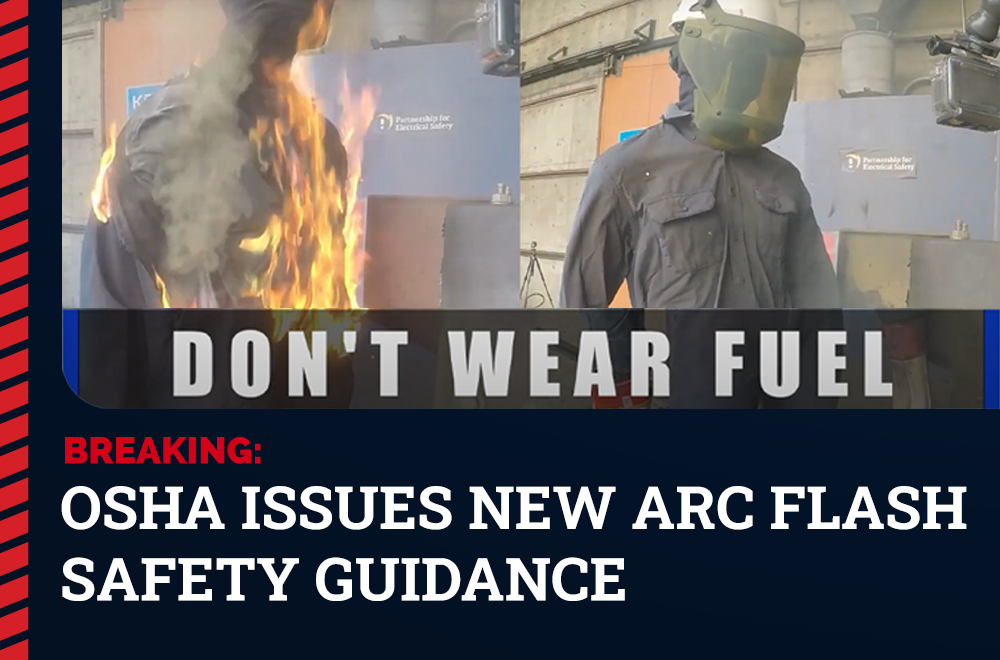
BREAKING: OSHA ISSUES NEW ARC FLASH SAFETY GUIDANCE

Breaking news: OSHA has just released new guidance on arc flash safety – for the first time in almost 20 years. Recognizing the continued prevalence of preventable arc flash injuries and fatalities despite longstanding safety standards and proven PPE the guidance is designed to better protect commercial,  industrial, and residential […]
October 11, 2024

NFPA 70E’s “Big 3” Tenets for Worker Protection

NFPA 70E Standard for Electrical Safety in the Workplace is the primary standard for commercial and industrial electricians in the United States today, and we’re often asked what it says about protecting workers. Though the answer is more comprehensive and detailed than can be digested in one sitting, its core […]
October 4, 2024

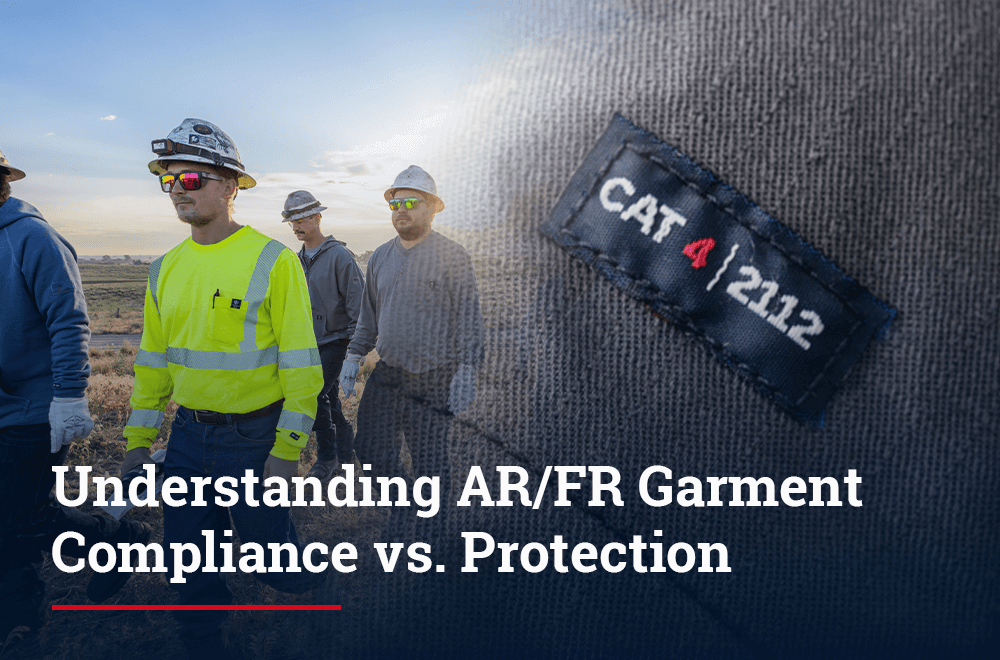
Understanding AR/FR Garment Compliance vs. Protection

It may be surprising, but compliance and protection aren’t always synonymous – especially when it comes to arc-rated and flame resistant (AR/FR) garments. Put simply, compliance refers to what we must do to meet regulatory requirements, such as OSHA guidelines or what is outlined within standards like NFPA 70E or […]
September 19, 2024

What is the Maximum Body Burn Percentage that Still Passes NFPA 2112?

For over 25 years, NFPA 2112—the “flash-fire standard”—has been essential in protecting workers from flash fire hazards by establishing minimum performance criteria for flame resistant (FR) garments. NFPA 2112 sets clear guidelines for testing FR garments and the components that comprise the garments, including the fabric. In order to be NFPA 2112 […]
September 13, 2024

Revealing the Life-Saving Difference Between ASTM F1891 and ASTM F2733 for Rainwear

Unfortunately, not every day on the jobsite comes with clear skies. Protective rainwear is essential for work in inclement weather, ensuring both comfort and maximum protection against workplace hazards. Rainwear compliant with standards ASTM F1891 or ASTM F2733 offers outstanding protection, but what sets these two rainwear standards apart when […]
September 6, 2024

Understanding NFPA 2112 Compliance vs. Certification

We’re often asked what the difference is between NFPA 2112 compliance and NFPA 2112 certification. As you may know, NFPA 2112 – the “flash-fire standard” – provides minimum performance criteria and sets clear guidelines for testing flame resistant garments and the components that comprise the garments, such as the fabric […]
July 23, 2024

Developing: New OSHA Arc Flash Guidance Expected

OSHA recently confirmed it’s actively working to close a gap in arc flash protection for up to 750,000 commercial and industrial electricians who are not currently given the PPE they need to stay safe on the job – counter to recognized industry standards. In fact, the Assistant Secretary for Occupational […]
May 31, 2024

What is an “Adequately Rated” Meter According to NFPA 70E?

NFPA 70E is a vital standard for establishing practical and safe workplaces in order to avoid electrical hazards. Within NFPA 70E, the phrase “adequately rated meter” pops up frequently. The term “adequately rated” is often misunderstood throughout industries that follow NFPA 70E and use electrical testing meters. Read on to […]
April 18, 2024

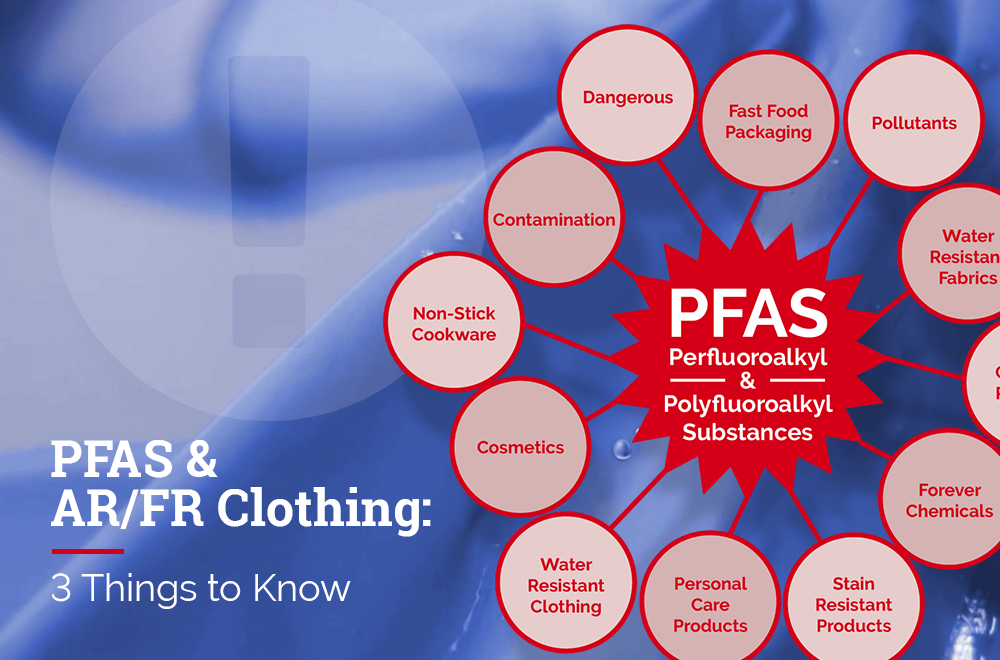
PFAS and AR/FR Clothing: 3 Things to Know

PFAS is a term you may have heard in the news recently. The Environmental Protection Agency (EPA) describes PFAS as “a series of man-made chemical compounds that persist in the environment for long periods of time.” Are these “forever chemicals” present in arc-rated and flame resistant (AR / FR) clothing? […]
February 28, 2024

OSHA’s Top 10 Most Frequently Cited Standards for Fiscal Year 2023

It’s crucial for organizations to reflect on their safety practices and strive for continuous improvement each year. To help with that initiative, the Occupational Safety and Health Administration (OSHA) has unveiled its preliminary Top 10 Most Frequently Cited Workplace Standards for the fiscal year 2023, from October 1, 2022, to […]
February 8, 2024

Your “Easy Button” for NFPA 70E Safety Training

Do you know the ins and outs of NFPA 70E? Intimidated, or not sure where to begin? Start here! Whether you’re a beginner or you have ample field experience, our new video-based training series NFPA 70E Made Easy is for you. This “crash course” delves into the intricacies of NFPA […]
November 15, 2023

Arc Bites: Compliance – The Difference Between Believing and Behaving

Education and culture are central to compliance with lifesaving policies and PPE. “I want to make believers and not behavers,” William Watson, Vice President of Safety at Miller Electric and Chairman of the NECA Large Contractor Safety Group, said during the round table discussion in the Arc Week Season 4 […]
October 27, 2023

Stay Safe and Informed: PPE Updates in the 2024 NFPA 70E Electrical Safety Standard

In the evolving landscape of workplace safety, staying up to date with industry standards is crucial. The National Fire Protection Association’s (NFPA) NFPA 70E standard is a critical reference for those who specify or wear arc-rated and flame resistant (AR / FR) clothing and related personal protective equipment (PPE). This […]
June 29, 2023

3 Innovative Trends in Workplace Safety

In honor of National Safety Month, we’re taking the time to reflect on how far we’ve come as a community to improve workplace safety for those exposed to arc flash, flash fire, and other hazards. Today, workers harness the power of choice through access to a variety of innovative garment […]
May 19, 2023

What are the Best Resources for Electrical Safety?

May is National Electrical Safety Month. Each year, electrically related incidents disrupt livelihoods and families due to injuries, deaths, and property losses. Currently, over 750,000 industrial electrical workers are not using proper protection. This number is even more alarming because NFPA 70E, Standard for Electrical Safety in the Workplace – […]
May 16, 2023

Combustible Dust Series: Part 7 – OSHA’S Combustible Dust National Emphasis Program Recently Revised

Combustible dust is a significant industrial hazard that can result in catastrophic injuries and loss of life. Since 2007, when they first issued their Combustible Dust National Emphasis Program (NEP), OSHA has focused on protecting the health and safety of workers potentially exposed to combustible dust flash fires and explosions. […]
May 12, 2023

Decoding the Language of Standards: Should vs. Shall

The recent promotion of NFPA 70B from a guide to a standard carries significant implications for electrical maintenance. We recently published a blog that reviews this status change in detail. This upgrade is an opportune time to address a question we often receive: In the context of industry standards, what’s […]
May 9, 2023

The Rise of Electrification: OSHA’s Revisiting of Arc Flash Guidance

Update: new OSHA guidance to close this gap in arc flash protection is pending. See the latest update here. Tyndale’s Rise of Electrification series highlights the growing demand for electricians in the United States. In parts one and two, we discussed the significance of this trend and its implications for […]
May 3, 2023

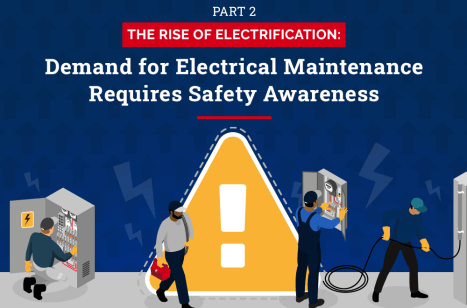
Rise of Electrification: Demand for Electrical Maintenance Requires Safety Awareness

In the first episode of Tyndale’s Rise of Electrification blog mini-series, we covered how the increased adoption of electrification is having a positive impact on the job market for electricians. The recent passing of the Infrastructure Investment and Jobs Act is a momentous step towards a sustainable future for the […]
April 6, 2023

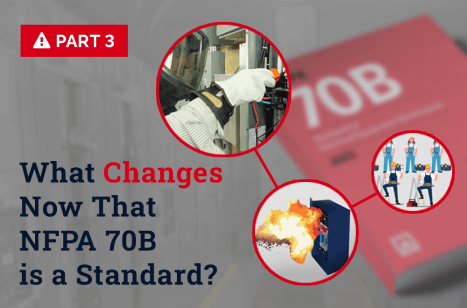
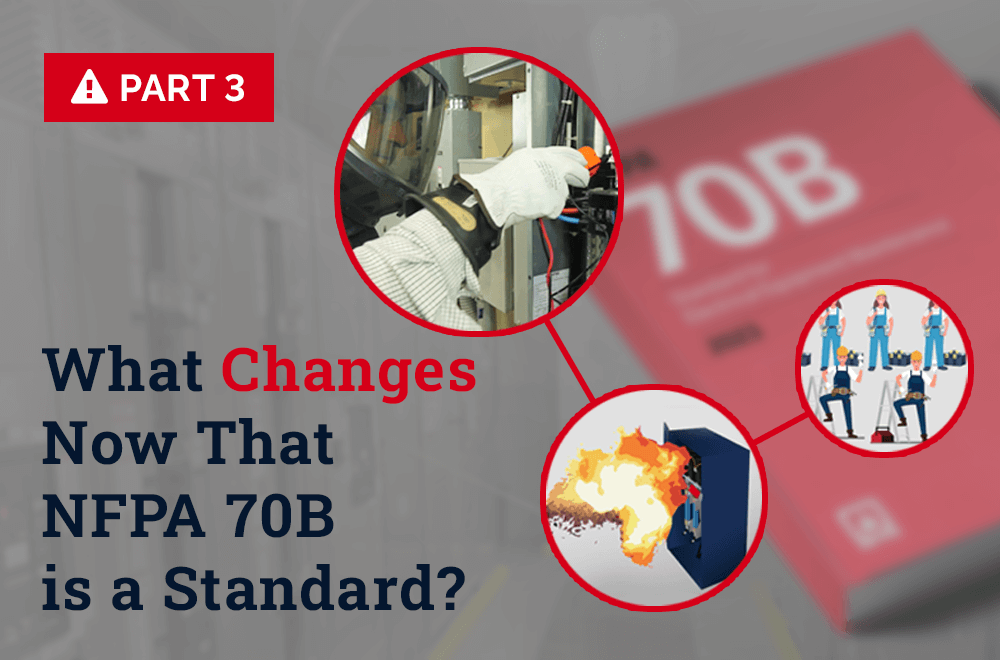
What Changes Now That NFPA 70B is a Standard?

Did you hear the news? NFPA 70B, Standard for Electrical Equipment Maintenance, was recently upgraded from a guide – that is a recommended practice indicating what you should do – to a standard,  making it a requirement indicating what you shall do. In our last post we took a look […]
March 31, 2023

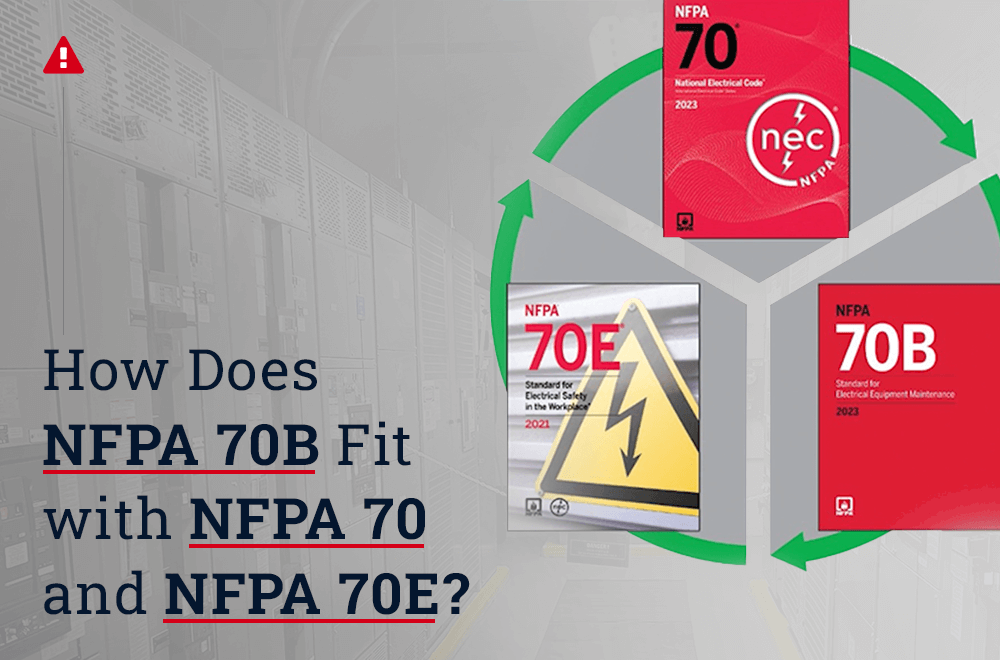
How Does NFPA 70B Fit with NFPA 70 and NFPA 70E?

Last week we shared that NFPA 70B, Standard for Electrical Equipment Maintenance, was recently upgraded from a guide – that is a recommended practice indicating what you should do, to a standard – making it a requirement indicating what you shall do. As a result, there is a strong likelihood […]
March 24, 2023

BREAKING: NFPA 70B Status Change

You’ve heard of NFPA 70, the National Electric Code – the benchmark for safe electrical design, installation, and inspection to protect people and property from electrical hazards. This standard guides non-utility electrical work, setting the rules for commercial and industrial electricians. However, it doesn’t focus on safe work practices or […]
February 1, 2023

What is a Stoll Curve?

As a woman-owned company, Tyndale is dedicated to celebrating and supporting women in the industry. Our popular Women in Power Series shines a light on the growing number of women working in the field today. But whether in the spotlight or behind the scenes, women have played an integral role […]
January 3, 2023

OSHA’s Top 10 Safety Violations List for Fiscal Year 2022

In the new year, make it your resolution to improve your company’s workplace safety. The Occupational Safety and Health Administration (OSHA) released its Top 10 most frequently cited standards for the fiscal year (FY) of 2022, which runs from Oct. 1, 2021 to Sept. 30, 2022. This list is a […]
November 11, 2022

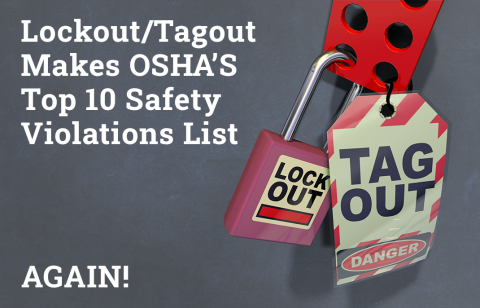
Lockout/Tagout Makes OSHA’s Top 10 Safety Violations List for Fiscal Year 2022 – Again

OSHA’s preliminary list of the Top 10 Safety Violations for 2022 has been announced, and lockout/tagout made the list again. With 1,977 violations cited related to OSHA 1910.147 – the control of hazardous energy (lockout/tagout) – noncompliance with this standard comes in sixth place on the list of most frequently […]
November 4, 2022

UPDATE: Where does OSHA Stand on Expanding Protections for Indoor Electricians?

Update: new OSHA guidance to close this gap in arc flash protection is pending. See the latest update here. More than 500,000 Americans working on or near energized industrial electrical equipment today do not have protection from deadly arc flash hazards, despite safety standards that have been in place for […]
September 14, 2022

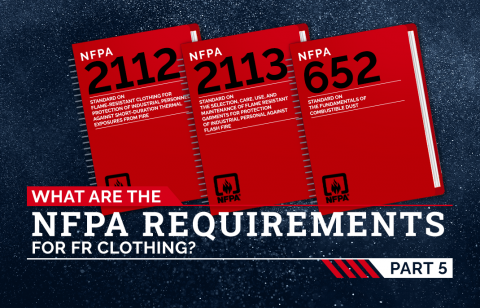
Combustible Dust Series: Part 5 – What are the NFPA Requirements for FR Clothing?

As we learned in Part 4 of this series, both NFPA 652, Standard on the Fundamentals of Combustible Dust, and OSHA’s Combustible Dust National Emphasis Program (NEP) clearly state that flame resistant (FR) clothing is required to be worn where a combustible dust hazard has been identified. We also touched […]
August 17, 2022

Proud to Protect Canada – Episode 11: Can a Canadian Company Buy AR / FR Clothing from an American Company?

If you’ve been following along in our Proud to Protect Canada series, you’ve heard our resident experts talk through some fundamental topics like – why wear arc-rated and flame resistant (AR/FR) clothing, what are arc flash hazards and related standards, what are flash fire hazards and related standards, and how […]
August 3, 2022

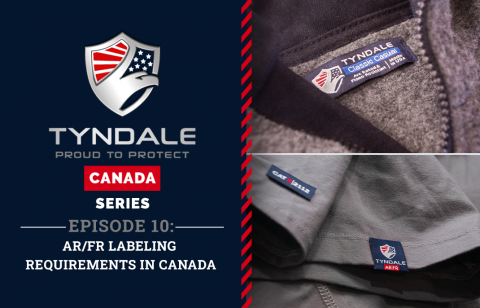
Proud to Protect Canada – Episode 10: AR / FR Labeling Requirements in Canada

In previous episodes of our Proud to Protect Canada series, we reviewed the safety standards governing PPE and protective clothing related to arc flash and flash fire hazards. In Episode 3, we learned that CSA Z462, the Canadian standard governing arc flash protection, is very similar to its US counterpart, […]
July 20, 2022

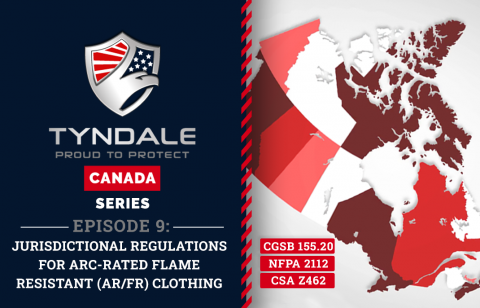
Proud to Protect Canada – Episode 9: Jurisdictional Regulations for Arc-Rated Flame Resistant (AR / FR) Clothing

Regulations for arc-rated and flame resistant (AR / FR) clothing vary slightly across Canada’s provinces. At their core, they align with general, federal requirements while expanding to provide additional best practices that, all together, give us a straightforward takeaway to understanding and ensuring compliance. It’s important to note that the […]
June 21, 2022

Proud to Protect Canada – Episode 8: Jurisdictional Regulations for High-Visibility Safety Apparel

Regulations for high-visibility safety apparel (HVSA) vary across Canada’s ten provinces and three territories, with nuances in the various jurisdictional or occupational requirements. What are the differences among this mixture of laws, and how do they relate to the federal HVSA requirement as well as CSA Z96, the safety standard […]
June 17, 2022

What’s the Difference Between a Test, Practice, Guide, and Specification?

Navigating your way through the language in a standard can be dizzying enough. Add the fact that there are several different types of standards and it’s easy to get a little lost. This is why we’re taking the time to share the six different types of standards under ASTM while […]
June 2, 2022

What is OSHA’s New National Emphasis Program on Heat Stress?

Summer is here, and the heat is on. And for the first time ever, OSHA has issued a National Emphasis Program (NEP) to protect workers from the dangers of heat-related illnesses. This means that OSHA is prioritizing this hazard, proactively looking for violations in 70 targeted high-risk industries such as […]
May 13, 2022

What is the NSUJL?

NSUJL stands for the National Sisterhood United for Journeymen Linemen, an nonprofit organization started in 2012 by a group of linewives who were motivated to help families of fallen and injured lineworkers. Today the organization is dedicated to assisting fallen or injured IBEW Journeymen Linemen, Utility Linemen, Apprentice Linemen, Groundmen, […]
May 10, 2022

Proud to Protect Canada – Episode 7: What Is a Standard and How Do They Come to Fruition in Canada?

In previous episodes of our Proud to Protect Canada series, we reviewed the safety standards governing PPE and protective clothing related to arc flash and flash fire hazards and the Canadian standard governing high-visibility safety apparel. In the video below, watch Tyndale Canada Sales Director, Paul Castelli and Tyndale Vice President of Corporate Strategy & Technical, Scott […]
April 29, 2022

What do Safety Standards Say About Vented Shirts?

Summer is coming and now is the perfect time to make sure that you’re not only stocked up on lightweight and breathable arc-rated and flame resistant (AR / FR) clothing, but also aware of the standard updates that govern those garments such as, vented shirts. Designed to help dissipate heat, […]
April 27, 2022

Proud to Protect Canada – Episode 6: High-Visibility and Reflective Striping (CSA Z96)

In previous episodes of our Proud to Protect Canada series, we reviewed the safety standards governing PPE and protective clothing related to arc flash and flash fire hazards. In this episode, we’ll turn our attention to the Canadian standard governing high-visibility safety apparel, CSA Z96. In the video below, Tyndale […]
April 12, 2022

Proud to Protect Canada – Episode 5: CGSB 155.20 vs. NFPA 2112

In today’s episode, we’ll look at CGSB 155.20, the Canadian standard governing workwear for protection against flash fire. In the video below, Tyndale Canada Sales Director Paul Castelli, talks to Canada Technical Advisor Sara Olsen about CGSB 155.20 and the similarities and differences between it and its US counterpart, NFPA […]
March 29, 2022

Proud to Protect Canada – Episode 4: Flash Fire Hazards

In previous episodes of our Proud to Protect Canada Series, we learned about arc flash hazards and CSA Z462, the Canadian safety standard that governs arc flash. In this episode, we’ll turn our attention to another extremely dangerous type of thermal hazard: flash fire. This type of hazard is present […]
March 15, 2022

Proud to Protect Canada – Episode 3: What is CSA Z462?

In Episode 2 of our Proud to Protect Canada series, Tyndale’s Canada Sales Director, Paul Castelli, and VP of Technical, Scott Margolin, answer the question, what is an arc flash. Beyond the definition, they discussed what causes an arc flash, the dangers associated with an arc flash, and how to […]
March 11, 2022

What is NFPA 70 and how does it relate to NEC and NESC?

In previous posts, we explained the National Electric Code (NEC) and the National Electric Safety Code (NESC). Today, we’re focusing on NFPA 70E and how it relates to those codes. There’s even an easy-to-read comparison chart so you can see the differences at a glance. We’ll start with a high-level […]
March 3, 2022

What is the NESC?

It’s common for safety codes and standards to be confused or misunderstood. The acronyms can look similar, and you might wonder how they differ or relate. In today’s post, we explain the National Electric Safety Code (NESC) – not to be confused with the National Electric Code (NEC), which we […]
March 1, 2022

Proud to Protect Canada – Episode 2: Arc Flash Hazards

As Tyndale extends our managed arc-rated and flame resistant (AR / FR) clothing programs into Canada, we invite you to follow along in our Proud to Protect Canada series. While many of the topics in this series contain Canadian-specific content, there are some topics that are relevant on both sides […]
February 25, 2022

What is the NEC?

There are a lot of safety standard acronyms out there and they can often be confused or misunderstood. In this post, we’re focusing on the National Electric Code (NEC). In future posts, we cover the National Electric Safety Code (NESC) and how the NEC and NESC relate to NFPA 70E. […]
February 15, 2022

Proud to Protect Canada – Episode 1: Why Wear AR / FR Clothing?

We’re going back to basics to answer a fundamental question, “Why wear FR?” This topic transcends borders and applies to workers exposed to thermal hazards everywhere – so it’s critical to understand. It’s true, AR / FR clothing works as the “last line of defense” in the event of an […]
January 18, 2022

Top 3 Recent Changes to AR/FR Clothing Standards

As you know, the ongoing pandemic has impacted every single area of life. As a result, it is no surprise that the past two years have been relatively quiet in terms of major changes to safety standards with impact to arc-rated and flame resistant (AR / FR) clothing requirements. Tyndale […]
December 17, 2021

OSHA’s Top 10 Safety Violations List for Fiscal Year 2021

It’s the most wonderful time of the year… at least that’s how the song goes. Festivities aside, it is the perfect time to evaluate safety in your workplace and make resolutions for improvement in 2022. The Occupational Safety and Health Administration (OSHA) has announced its preliminary Top 10 most frequently […]
November 5, 2021

What Are the Changes to ASTM F2413-18?

If the PPE you wear each day includes protective footwear, you’ve probably noticed the ASTM F2413 label in one of your safety shoes or work boots. ASTM F2413 defines minimum performance requirements for footwear to protect against various workplace hazards. Updates were made to this standard in 2018, resulting in […]
September 24, 2021

Congress Urges OSHA to Act on AR / FR Clothing for Industrial Electricians

Update: new OSHA guidance to close this gap in arc flash protection is pending. See the latest update here. An arc flash can reach temperatures four times hotter than the surface of the sun, but we can avoid virtually all fatal and catastrophic arc flash injuries with arc-rated and flame […]
June 11, 2021

How has OSHA Advanced Worker Safety for 50 Years?

Formed in 1971, the Occupational Safety and Health Administration (OSHA) has drastically reduced fatalities, injuries, and illnesses of American workers in the workplace. We’re leveraging the expertise of our arc-flash and flash fire subject matter expert, Scott Margolin, to review how OSHA has supported the industries affected by arc-flash and […]
June 4, 2021

What is the Partnership for Electrical Safety?

Update: new OSHA guidance to close this gap in arc flash protection is pending. See the latest update here. If you didn’t know, June is National Safety Month. As we discuss all things safety this month, we’ve decided to take a moment to focus on a new player in the […]
June 1, 2021

What is Tyndale Doing to Further Electrical Safety?

May was National Electrical Safety month and today marks the beginning of National Safety Council’s Safety Month, but at Tyndale protecting workers from arc flash is at the heart of what we do every moment of every day. Beyond providing lifesaving arc-rated (AR) clothing and PPE to thousands of electricians, […]
May 11, 2021

How it’s Tested: Episode 16 – ANSI 107 and High-Visibility Garments

High-visibility AR / FR clothing is an important category of personal protective equipment (PPE) because it not only protects you from arc flash and/or flash fire hazards but it enhances your visibility as you perform important job functions. This is particularly important in low-light and/or high-traffic areas. ANSI/ISEA 107 provides […]
April 20, 2021

How It’s Tested: Episode 15 – Fabric Color Tests

So far, our How It’s Tested series has covered everything from critical tests related to the protective qualities of arc-rated and flame resistant (AR / FR) garments, to why you should care about the tests your garments pass. Now, we’re diving into some topics that you might be less familiar […]
April 16, 2021

Which Standards Should My FR Rainwear Pass?

If you’re specifying or purchasing arc-rated and flame resistant (AR / FR) rainwear, it’s critical that you know which standards are used to make compliance claims. Tyndale strongly recommends against accepting or purchasing FR rainwear that is only using ASTM D6413, the vertical flame test, to make those claims. Which […]
April 2, 2021

What Does OSHA Say About Home vs. Industrial Laundry?

As you may know, there two main program types when it comes to obtaining arc rated and flame resistant (AR / FR) clothing – Managed Direct Purchase with Home Laundry and Uniform Rental with Industrial Laundry. When you have one supplier telling you that their program is the best and […]
March 30, 2021

How It’s Tested: Episode 12 – What Does It Mean to be UL Certified?

If you’ve been following our How it’s Tested series, you’ve learned about the four (4) main NFPA 2112 tests, and the “other” or lesser-known tests and our series continues with UL certification. Did you know that 2112 garment compliance requires third-party certification? But, the tests we’ve previously covered are fabric […]
March 19, 2021

How Do I Know My FRC is Free of Harsh Chemicals?

A lot goes into making arc rated and flame resistant (AR / FR) garments, as you may have gathered after watching our How It’s Made series. And rightfully so – AR / FR clothing is your last line of defense, protecting you from injury in the event of an arc […]
February 26, 2021

How Does Tyndale Vet and Audit the Products We Sell?

As you know, arc-rated and flame resistant (AR / FR) garments are very different from everyday clothing you find in most stores. These specialized garments are made using flame-resistant fabrics, must comply with all relevant safety standards, and are required to be labeled properly. With all that goes into these […]
February 19, 2021

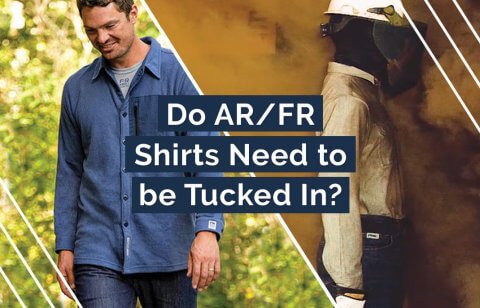
Do AR / FR Shirts Need to be Tucked in?

If you’re required to wear arc-rated or flame resistant (AR / FR) clothing, the first step in protecting yourself is making sure you’re wearing the clothing properly. It’s important to note that aside from risking your safety by not wearing AR / FR correctly, you are also out of compliance […]
February 12, 2021

Should FR Clothing Embellishments Be Flame Resistant?

Many companies who require arc rated or flame resistant (AR / FR) clothing for employees also require that the clothing be branded with their company logo and/or personalized with the employee’s name. One question we get asked often is, do embroidery and patches on AR / FR clothing need to […]
January 26, 2021

How It’s Tested: Episode 3 – OEKO-TEX® 100 (What is it and why should you care?)

OEKO-TEX® 100 is the preeminent standard for determining if fabrics and textiles contain unsafe chemicals, and passing OEKO-TEX 100 delivers assurance to wearers that any chemicals that are present in the clothing they’re wearing are well within the established safe thresholds. Rest assured, all fabric used to manufacture your Tyndale […]
January 12, 2021

How It’s Tested: Episode 1 – The Hierarchy of Safety Standards

There are many AR/FR standards, each directing key guidelines for safety. Understanding how they work together to inform and support employee safety is important. Collectively, the testing standards as a whole resemble a pyramid, starting at the top with standards from OSHA. Join us as we break down the hierarchy […]
January 8, 2021

FRC: How It’s Tested – All Things Testing

You trust your arc-rated and flame resistant (AR / FR) clothing with your life, and for good reason: AR / FR from qualified suppliers like Tyndale undergoes rigorous testing to ensure it will perform as expected in the event of an arc flash or flash fire. But what are the […]
November 10, 2020

Tyndale’s COVID-19 Resources Reminder

As the COVID-19 pandemic continues, we must remain vigilant and remember to follow all procedures and recommendations to help reduce the spread of the virus. As we’ve all had to deal with these restrictions for months, it’s easy to forget or become lax in our approach to enhanced safety protocols. […]
October 6, 2020

SHOCKtober Episode 1: Unmasking the Standards – What OSHA and 70E Say About Electric Shock

All month long, Tyndale is taking a slight detour from our normal coverage of arc flash hazards to talk about the other electrical hazard – electric shock. This is the first in our four-part SHOCKtober series. As stated in our previous post, electric shock causes hundreds of fatalities and thousands […]
September 25, 2020

Mannequin vs. Manikin: What’s the Difference?

If you’ve been following our blog for some time, you may have noticed the word “manikin” in some of our posts about arc-rated and flame resistant (AR / FR) clothing testing. If this word looks odd to you, you’re not alone! That’s because in everyday contexts you are likely much […]
September 15, 2020

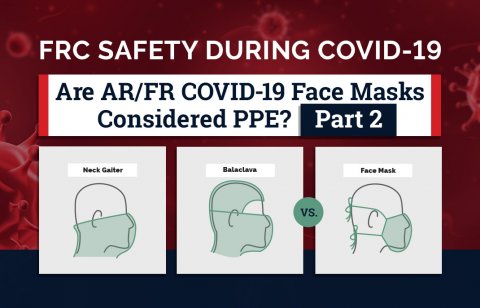
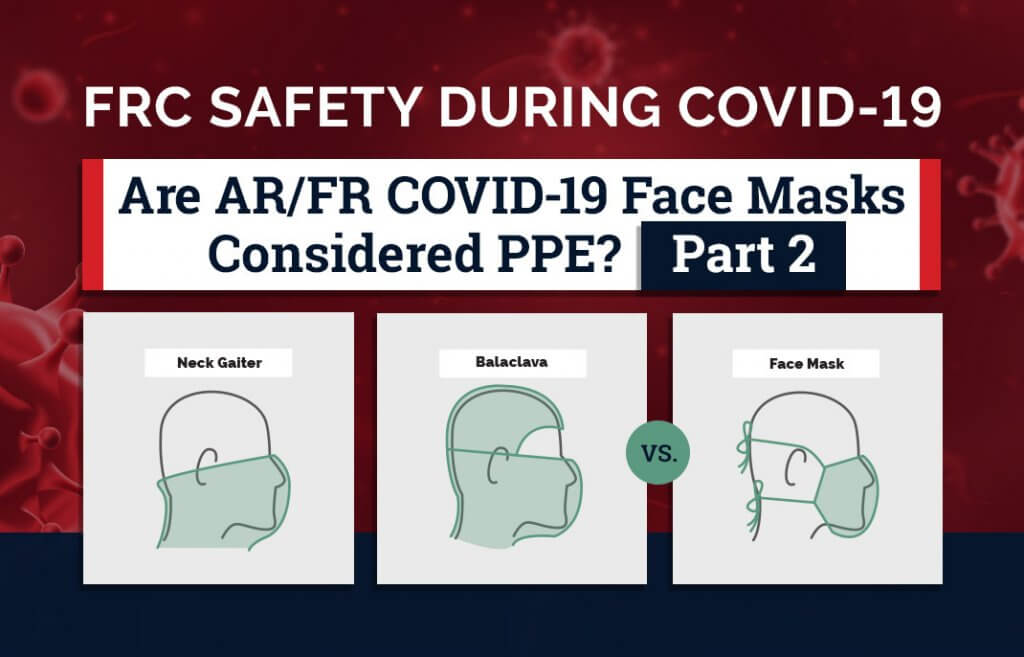
Are AR/FR COVID-19 Face Masks Considered PPE? – Part 2

The COVID-19 pandemic has dominated our 2020 news cycle. Wearing face masks has been proven the most effective method to significantly reduce spread of the virus. Recently, non-FR neck gaiters and balaclavas have been questioned by several studies for their effectiveness at preventing spread. One study cited appeared to claim […]
September 11, 2020

Standards Update – What’s New in 2020?

From “breaking news” to “coming soon,” Tyndale shares the latest updates (and expected updates) to main industry standards related to arc rated flame resistant (AR / FR) apparel. Watch our video below, featuring Tyndale’s Vice President of Technical, Scott Margolin, or read on to learn more. Updates to NFPA 2112, […]
July 20, 2020

Understanding the Difference Between NFPA® 2112 & 2113 Standards

Two safety standards well-known in the Flame Resistant (FR) clothing industry are NFPA® 2112 and NFPA® 2113. While you may have heard of them, most important is understanding the difference between the two. NFPA 2112 specifies performance requirements of the FR fabrics, while NFPA® 2113 is a companion standard to […]
July 1, 2020

FRC Suppliers During the COVID-19 Crisis – Safety

Last week we introduced our five-part blog series, FRC Suppliers During the COVID-19 Crisis. This series gives you resources critical to evaluating your FRC supplier to ensure you have access to the services and products to function most efficiently – particularly during a crisis. Because of COVID-19, there have been […]
June 26, 2020

FRC Safety During COVID-19: Do Industry Standards Incorporate FR Face Masks?

Emergent Standard Updates Present a Path to ASTM- and NFPA-compliance for Face Masks Normal life today looks a bit different than it did a few short months ago, as face masks have become an important way to curb the spread of COVID-19. Correspondingly, as utility, energy infrastructure, and other vital […]
June 8, 2020

Are AR/FR COVID-19 Face Masks Considered PPE?

At Tyndale, our priority has always been protecting America’s workers. Since COVID-19 began spreading in the US, we heard the call and moved quickly to design, manufacture, and ship arc-rated and flame resistant (AR / FR) face masks. So far, we’ve shipped close to a million AR / FR masks toward […]
April 29, 2020

Top FRC Industry Resources for COVID-19

In addition to our comprehensive blog series and resources dedicated to FRC Safety During COVID-19, we’re providing resource information about the ongoing Coronavirus pandemic. The information includes links from a wide variety of resources offering guidance related to the flame resistant clothing industry. We hope that you find this information […]
April 24, 2020

FRC Safety During COVID-19: Avoiding Fogged Lenses While Wearing a Facemask

It’s no secret that due to COVID-19 our “new normal” requires everyone, especially essential workers, to wear face masks in public and on the job. When on the job, while wearing a face mask and safety glasses or a face shield, your breath may fog the surface of your safety […]
April 22, 2020

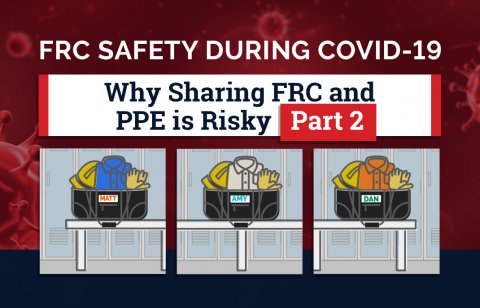
FRC Safety During COVID-19: Why Sharing FRC and PPE is Risky – Part 2

As stated in our previous post, Why Sharing FRC and PPE is Risky, COVID-19 is spread by primarily by respiratory droplets; when an infected person coughs or sneezes, the droplets are transmitted to hard surfaces and fabrics, where they can remain viable for days. For this reason, it is important […]
April 17, 2020

FRC Safety During COVID-19: Are AR/FR Masks Safe to Breathe Through?

Recently at Tyndale, we’ve adjusted our manufacturing efforts in response to the high demand for protective flame resistant (FR) surgical-style face masks. Tyndale understands the urgency for FR masks during these trying times. By adjusting shifts to six and seven days a week, adding new manufacturing facilities, and seeking additional […]
April 9, 2020

FRC Safety During COVID-19: How to Safely Handle a Tyndale Shipment

As you may know, the COVID-19 virus is capable of remaining active, or viable, on surfaces like cardboard for up to 24 hours and on surfaces like plastic for up to 3 days. Since the vast majority of shipments from Tyndale are delivered to you in a plastic bag or […]
April 8, 2020

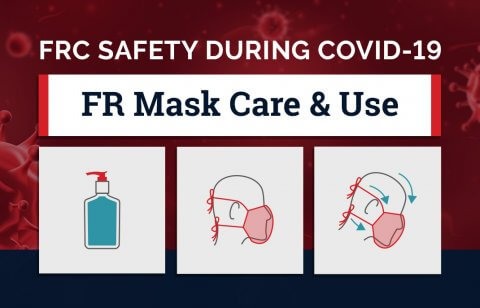
FRC Safety During COVID-19: FR Mask Care and Use

In response to COVID-19 and in an effort to help keep our customers safe, Tyndale has diverted a significant portion of our American manufacturing capacity to making FR surgical-style masks. In addition, we are sourcing masks from our key FR suppliers. The masks are made with flame resistant and arc […]
April 6, 2020

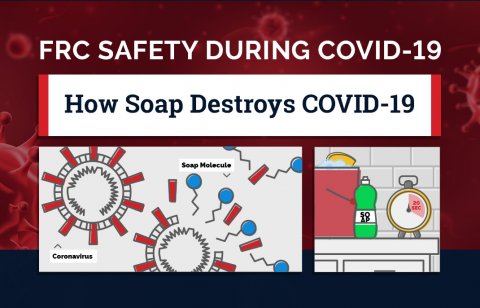
FRC Safety During COVID-19: How Soap Destroys COVID-19

Disinfecting arc rated and flame resistant (AR / FR) clothing and PPE begins and ends with soap and water – The Centers for Disease Control and Prevention (CDC) recommended method for disinfecting from COVID-19. When we think of the word “disinfecting” we typically think of popular products such as Clorox, […]
March 26, 2020

FRC Safety During COVID-19: Why Sharing FRC and PPE is Risky

Don’t share your arc rated and flame resistant clothing (AR / FR Clothing) – sounds like a given, right? However, as the current health crisis continues to unfold, we want to be sure we are reminding wearers why not sharing clothing is more important than ever. We’ve explained that COVID-19 […]
February 27, 2020

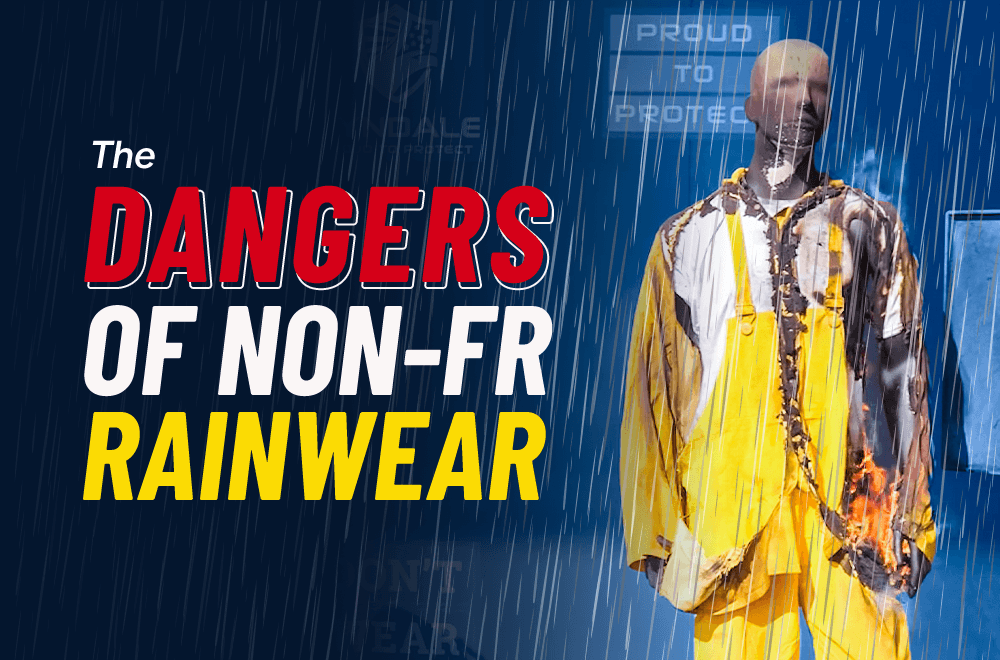
Does My AR/FR Rainwear Meet The Right Standard?

Note: We cover this topic in a more recent post: Which Standards Should My AR / FR Rainwear Pass? Shopping for arc-rated and flame resistant (AR/FR) rainwear? Take a VERY close look at the label. Some rainwear sold on the market as flame resistant is tested and labeled to comply […]
February 24, 2020

The Hierarchy of FR Clothing Standards

There are a lot of FRC safety standards out there. Understanding how they work together to inform those who are required to be in compliance with them is important. In this post – and the brief video below – we break down the hierarchy of these safety standards, starting with […]
January 9, 2020

What is the Manikin Test (ASTM F1930)?

ASTM F1930, more commonly known as the manikin test, specifies a standard process for measuring the average predicted body burn of a flame resistant fabric based on a laboratory flash fire simulation. It details the specific procedures necessary to perform the test, which ensures accuracy and consistency from one lab […]
December 5, 2019

What is ANSI 107?

This blog post, originally published in 2019, was updated in 2024. When selecting high-visibility safety apparel (HVSA) such as shirts, rainwear, outerwear, safety vests, headwear, and other high-visibility accessories, ANSI/ISEA 107, American National Standard for High-Visibility Safety Apparel, provides reliable guidelines for proper selection and use. The standard was created […]
October 25, 2019

Is Bug Spray Safe to Use on FR Clothing?

There are many questions around bug spray and FRC: Is it safe? Which ones are safe? How do I know for sure? Read on to find answers and watch our video below, featuring Tyndale’s Vice President of Technical, Scott Margolin, as he provides clarity in just over a minute. Is […]
May 28, 2019

NFPA 2112 Pass/Fail Test Series Part 1: The Manikin Test

Welcome to our four-part blog series about the pass/fail testing requirements for NFPA 2112 compliance. NFPA 2112 is also known as the “flash-fire standard,” and there are four tests which a garment or fabric must pass to receive this accreditation. They are: The Manikin Test The Vertical Flame Test The […]
May 14, 2019

What Does ASTM 1506 Compliant Really Mean?

ASTM 1506, Standard Performance Specification for Flame Resistant and Electric Arc Rated Protective Clothing Worn by Workers Exposed to Flames and Electric Arcs, is the governing ASTM standard for flame resistant clothing for protection from arc flash. But what does 1506 compliance actually mean? Fabrics must pass two main requirements […]
April 22, 2019

What is the Definition of Flame Resistant?

You may have heard the term Flame Resistant. You may even wear FR clothing on the job. But have you ever heard an expert describe the science that keeps you safe on the jobsite? Watch Tyndale’s VP of Technical, Scott Margolin define Flame Resistant, highlight the testing system, and even […]
April 2, 2019

What is ANSI? – Understanding Why ANSI is Important to You

While worker safety is generally regarded as a high priority, sometimes figuring out how best to protect employees in the workplace requires information and insight the average employer simply doesn’t possess. That’s why businesses adhere, either by mandate or voluntarily, to safety standards established by third-party organizations. Among the oldest […]
February 26, 2019

Do OSHA 1910.269 PPE Rules Impact Oil, Gas, and Other Industries?

OSHA’s 1910.269 ruling for the electric utility industry defines FR clothing as PPE–similar to 2010’s OSHA 1910.132 Enforcement Policy Memo regarding protection from flash fire in oil and gas well drilling, servicing, and production-related operations. In fact, the Preamble to the 1910.269 ruling introduces additional commentary from OSHA that paints […]
February 13, 2019

Tyndale’s Step by Step Guide to 1910.269 Compliance for Contractors

In April 2014, OSHA issued a ruling that clarified and expanded employers’ responsibility to protect employees from arc flash hazards.  This ruling – 29 CFR 1910.269 and 1926 subpart V, standards governing workplace safety in electric power generation, transmission and distribution work – has been enforced since August 31, 2015. […]
January 8, 2019

Important Changes to NFPA 2112 – 2018 Edition

NFPA 2112, Standard on Flame Resistant Clothing for Protection of Industrial Personnel Against Short-Duration Thermal Exposures from Fire, was revised and an updated edition was issued earlier this year. Below, we provide an overview of the important changes: Updated Title and New Terminology One of the biggest changes in the […]
October 30, 2018

Top 10 Safety Violations Cited by OSHA for FY2018

The results are in – and it turns out that the most common workplace violations cited by OSHA in fiscal year 2018 are nearly identical to the 2017 list (and the 2016, list for that matter). The one difference:  “Eye and Face Protection” slips onto the list at number 10, […]
October 3, 2018

What are NFPA Standards?

You may wear PPE certified to NFPA standards, or undertake work regulated by NFPA codes everyday. But what is NFPA and what are NFPA standards? NFPA is short for the National Fire Protection Association, a nonprofit organization committed to reducing injury, death, and other loss stemming from fire, electrical, and […]
March 21, 2018

NFPA 70E 2018 – What’s New?

NFPA 70E has since been revised in 2021, though updates pertaining to AR / FR clothing were minor. NFPA 70E requirements for safe work practices protect personnel by reducing exposure to major electrical hazards. Originally developed at OSHA’s request, NFPA 70E helps companies and employees avoid workplace injuries and fatalities […]
February 28, 2018

How Experience Leads to Risky Behavior

This is the first post in a four-part series exploring factors that could contribute to an arc flash incident, based on the experience of arc flash survivor and safety advocate Brandon Schroeder. Picture this: You’ve been a licensed electrician since you were 23 years old, with five years as an […]
November 2, 2017

Top 10 Safety Violations Cited by OSHA in 2017

The results are in – and it turns out that the most common workplace violations cited by OSHA in fiscal year 2017 are nearly identical to the 2016 list. The one difference:  “Fall Protection – Training Requirements” debuts at number 9, knocking “Electrical – General Requirements” off the list. The […]
October 19, 2017

Is Compliance with NFPA 70E Mandatory?

NFPA 70E has since been revised in 2021, though updates pertaining to AR / FR clothing were minor. There are no shortcuts when it comes to keeping workers safe. In fact, it’s usually in the company’s – and the employee’s – best interest to incorporate voluntary safeguards above and beyond […]
February 27, 2017

OSHA’s Updated Rule on Fall Protection

Slip, trip, and fall hazards are some of the leading causes of worker deaths and injuries, and the most commonly cited OSHA violation (see the other nine most cited OSHA violations here). In order to address this important component of worker safety, OSHA has released a final rule updating its […]
January 16, 2017

HRC to CAT: Look Out for NFPA 70E Labeling Change

NFPA 70E has since been revised in 2018 and 2021. Please review our newer posts for the latest information. NFPA 70E Standard for Electrical Safety in the Workplace is periodically updated to support workers and their employers in preventing workplace injuries and fatalities from shock, electrocution, arc flash, and arc […]
September 27, 2016

Summary of ASTM F2892: Soft Toe Protective Footwear Standard

This is the fourth and final post in a four-part series providing an overview of Tyndale’s boot program along with the applicable industry standards – ASTM F2412, ASTM F2413, and ASTM F2892. In this post we provide an overview of ASTM F2892, Standard Specification for Performance Requirements for Soft Toe […]
September 22, 2016

What You Should Know about ASTM F2413 for Protective Footwear

This is the third post in a four-part series providing an overview of Tyndale’s boot program along with the applicable industry standards – ASTM F2412, ASTM F2413, and ASTM F2892. In this post we provide an overview of ASTM F2413, Standard Specification for Performance Requirements for Protective (Safety) Toe Cap […]
September 9, 2016

Understanding the Test Methods that Govern Foot Protection

This is the second post in a four-part series providing an overview of Tyndale’s boot program along with the applicable industry standards – ASTM F2412, ASTM F2413, and ASTM F2892. In this post we provide an overview of ASTM F2412, Standard Test Methods for Foot Protection.
August 18, 2016

What Standard Governs Arc Flash Protective Rainwear?

ASTM F1891, Standard Specification for Arc and Flame Resistant Rainwear, establishes minimum performance specifications, test methods, and other suggested information – including a sizing guide and purchasing specification – for rainwear used to protect workers from momentary exposures to arc flashes or flame.
May 5, 2016

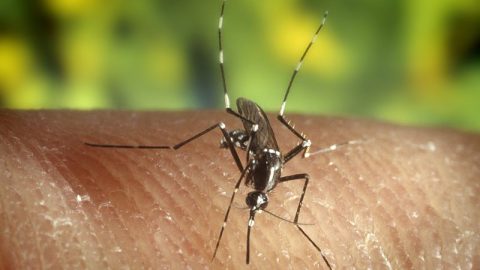
How Can I Protect Myself from Zika Virus?

If you’ve tuned into the news recently, chances are you’ve heard about growing international concern about the mosquito-transmitted Zika virus. Here’s what you need to know, and how outdoor workers like you can use Tyndale’s exclusive line of FRMC® garments with Perimeter Insect Guard™ for protection.
February 9, 2016

The Dangers of Overlooking Workplace Housekeeping

While it may not be the first thing that comes to mind, housekeeping plays a crucial role in workplace safety. The National Safety Council (NSC) Safety + Health Magazine recently published an article, highlighting the importance of housekeeping in a work environment and offered tips for effective housekeeping practices.
March 31, 2015

What Does 1910.269 Say About Socks and Underwear?

OSHA’s 2014 1910.269 ruling marks a distinct departure from its predecessor. In fact, up until the new rule was promulgated, 1910.269 simply required that clothing “do no harm” in the event of an arc flash. In stark contrast, the 2014 ruling specifically requires employers to provide arc/flame resistant (FR) clothing […]
March 27, 2015

Does NFPA 70E Require Sweatshirts to be Tucked In?

NFPA 70E has since been revised in 2018 and 2021. Please review our newer posts for the latest information. In October 2014, NFPA released the 2015 edition of NFPA 70E, a voluntary standard developed to reduce exposure to major electrical hazards in the workplace. This standard includes guidance on risk […]
March 17, 2015

Tyndale’s Top Five OSHA 1910.269 Blog Posts

Since OSHA promulgated the new 1910.269 in April 2014, Tyndale has been hard at work partnering with employers to understand and gain compliance with the new provisions—helping workers return home to their families safely each night. Join thousands of readers in taking advantage of our top five OSHA 1910.269 blog […]
January 5, 2015

Final Steps for OSHA 1910.269 Compliance

Important Note: As of February 2015, compliance dates have changed for enforcement of OSHA standard 1910.269. These changes impact dates listed in this post. Click here for complete details and updated deadlines. As part of OSHA’s 2014 final rule for 29 CFR 1910.269, OSHA mandated employers in electric power generation, transmission, […]
December 5, 2014

Tyndale’s 1-Page OSHA 1910.269 Resource Guide

Not sure if your employees are protected under final federal rule 1910.269? Tyndale can help! Tyndale is dedicated to protecting workers by partnering with employers to understand and gain compliance with the new requirements of the final rule. As a result, we’ve developed a fully-clickable digital one-page quick-reference guide to […]
November 7, 2014

Does Cost of 1910.269 Include FR Outerwear or Boots?

After OSHA’s update to standard 1910.269 was published, the meaning of flame resistant PPE, and specifically, how outerwear fits into this definition, has been open to interpretation – leaving many of us scratching our heads about safe and proper application. Additionally, many question whether or not OSHA 1910.269’s head-to-toe arc-rated […]
October 29, 2014

4 Important Changes to NFPA 70E 2015 Edition for FRC

NFPA 70E has since been revised in 2018 and 2021. Please review our newer posts for the latest information. NFPA 70E is a voluntary standard advising on electrical safety in the workplace. This standard is geared toward workers and employers, and is designed to assist in the understanding and implementation […]
October 24, 2014

Tyndale in ISHN Magazine: Steps to Comply with 1910.269

OSHA’s 2014 updates to 29 CFR 1910.269 are generally embraced as much-needed measures to better protect the men and women who work on or near electric power lines. Read Tyndale’s article featured on page 44 of the July 2014 issue of Industrial Safety & Hygiene News Magazine (ISHN) for four […]
October 7, 2014

OSHA 1910.269: Why Industrial Laundry is Not the Answer

Under 1910.269 and 1926 subpart V ruling, OSHA clarified its stance that FR and arc-rated clothing should reasonably and appropriately be treated as Personal Protective Equipment (PPE). This designation reinforces the employer’s legal obligation to provide, pay for, and retain ultimate responsibility for care and maintenance of FR and arc-rated clothing. When […]
September 18, 2014

6 Critical Changes to OSHA 1910.269 Regarding FRC

On April 11, 2014, OSHA published to the Federal Register the final rule revising 29 CFR 1910.269 and 1926 Subpart V, related to the construction and repair of electric power generation, transmission and distribution in an effort to improve workplace safety. This recent change to OSHA 1910.269 updates the standard […]
July 31, 2014

1910.269 TRAINING VIDEO: FR Clothing Maintenance and Inspection

OSHA has published the final rule revising 29 CFR 1910.269 and 1926 Subpart V. This update is expected to save more than 20 lives and prevent 118 serious injuries each year by clarifying and expanding the employer’s responsibility to provide and maintain appropriate arc rated clothing for employees based on […]
July 7, 2014

OSHA 1910.269 FR Clothing Update: 3 Reasons to Act Now

Important Note: As of February 2015, compliance dates have changed for enforcement of OSHA standard 1910.269. These changes impact dates listed in this post. Click here for complete details and updated deadlines. In April 2014, OSHA issued a ruling revising 29 CFR 1910.269 and 1926 subpart V, standards governing workplace […]
June 23, 2014

Access e-Hazard’s Side-By-Side Comparison of Changes to OSHA 1910.269 Standard

Important Note: As of February 2015, compliance dates have changed for enforcement of OSHA standard 1910.269. These changes impact dates listed in this post. Click here for complete details and updated deadlines. OSHA last issued rules for the construction of transmission and distribution installations in 1972. As you may now […]
June 20, 2014

Tyndale: Safety Starts With Us

June is recognized by many safety professionals and the National Safety Council as National Safety Month. It’s a time when all of us should increase our safety awareness in the workplace and at home. The purpose of National Safety Month is to encourage safe behaviors and prevent the leading causes […]
June 6, 2014

Key OSHA 29 CFR 1910.269 Update: Employer Responsibility to Provide FR Clothing

During National Electrical Safety Month in May, Tyndale began discussing key aspects of OSHA’s revised ruling as it applies to FR clothing and during National Safety Month in June, Tyndale will continue to help employers understand how the new rule will impact their role, and the associated costs in properly […]
May 22, 2014

Key OSHA 29 CFR 1910.269 Update: Full Body Protection Against Arc Hazards

During National Electrical Safety Month, Tyndale has been discussing key aspects of OSHA’s revised ruling as it applies to FR clothing and seeks to help employers understand how the new rule will impact their role in properly protecting employees. The second key component of OSHA’s final ruling as it relates […]
May 20, 2014

Key OSHA 29 CFR 1910.269 Update: FR Clothing is Personal Protective Equipment

On April 11, 2014, OSHA published to the Federal Register the final rule revising 29 CFR 1910.269 and 1926 Subpart V, related to the construction and repair of electric power generation, transmission and distribution in an effort to improve workplace safety. In honor of National Electrical Safety Month, Tyndale will […]
May 15, 2014

Understanding Critical Changes to OSHA 1910.269 During Electrical Safety Month

May is National Electrical Safety Month, an important time to bring electrical safety awareness to our communities, to help educate the public and prevent injury. Coinciding with National Electrical Safety Month is the recent change to OSHA 1910.269 which updates the standard providing electrical safety guidance for those in the […]
April 10, 2014

OSHA 1910.269 Revised Ruling: Download Tyndale’s Frequently Asked Questions

Please be advised that OSHA’s final rule for 29 CFR 1910.269 and 1926 Subpart V – Federal standards governing employee safety in activities related to the construction and repair of electrical power generation, transmission, and distribution equipment – has officially been issued and was published to the national register on […]
February 27, 2014

What is the ASTM F2700 Heat Transfer Performance (HTP) Test for FRC?

When the 2012 edition of the NFPA 2112 standard was published, a number of changes were made to clarify certain areas, add information in areas not previously covered, and keep some terminology to be consistent with NFPA 2113. NFPA 2112 essentially evaluates protective performance of FR garments in flash fires, […]
February 10, 2014

ASTM D6413: Vertical Flame Test for Flame Resistance of Textiles

ASTM D6413 is the Standard Test Method for Flame Resistance of Textiles (vertical test). ASTM D6413 is used to determine flame resistance of fabrics used to protect against both electric arc and flash fire hazards. This is the defining test method for compliance with OSHA 1910.269 and one of the […]
January 7, 2014

Do Logos Used on FRC Need to be Flame Resistant?

Note: We cover this topic in a more recent post: Should FR Clothing Embellishments Be Flame Resistant? One of the most common questions in the flame resistant clothing industry is whether or not company logos or other types of embroidery should be FR. While industry standards agree that logos for […]
November 1, 2013

Imminent OSHA Electrical Rule Change Regarding FR Clothing

According to Safety+Health Magazine an industry representative has confirmed, among other sources, that the much anticipated final OSHA rule for 29 CFR 1910.269 is imminent. This Federal standard governs employee safety in activities related to the construction and repair of electrical power generation, transmission, and distribution equipment.
August 13, 2013

A Guide to Understanding Industry Hazards

Protective clothing and safety apparel can benefit workers in a variety of industries, so it is important to understand the risks and specific industry hazards employees face at their jobs. While both an electric arc flash and flash fire can be fatal, the duration and temperature at which these two […]
August 6, 2013

The OSHA 1910.132 FRC Flash Fire Memo: FR Fabrics Not Flash Fire Tested

This is the fourth post of a four-part series where we cover recommendations for compliance with OSHA 1910.132 FRC Flash Fire Memo.  The final, and least rigorous, approach for meeting the OSHA 1910.132 requirements would be to use garments that meet the arc flash requirements of NFPA 70E, or are […]
July 30, 2013

NFPA 2112 and Compliance with OSHA 1910.132 FRC Flash Fire Memo

This is the second post of a four-part series where we cover recommendations for compliance with OSHA 1910.132 FRC Flash Fire Memo.  The first option for garment specification that would meet OSHA 1910.132 standard requirements is the threshold that garments meet NFPA 2112. NFPA 2112 specifies the minimum design, performance, […]
July 26, 2013

Recommendations for Compliance with OSHA 1910.132 FRC Flash Fire Memo

This is the first post of a four-part series where we will cover recommendations for compliance with OSHA 1910.132 FRC Flash Fire Memo.  The following information is intended to provide insight into compliance with the March 19, 2010 Enforcement Policy Letter issued by OSHA for compliance with OSHA 1910.132 as […]
✕