

Support 24/7
Text 215-766-5665

✕

Support 24/7
Text 215-766-5665

Support 24/7
Text 215-766-5665
✕

Support 24/7
Text 215-766-5665

September 13, 2024

Revealing the Life-Saving Difference Between ASTM F1891 and ASTM F2733 for Rainwear

Unfortunately, not every day on the jobsite comes with clear skies. Protective rainwear is essential for work in inclement weather, ensuring both comfort and maximum protection against workplace hazards. Rainwear compliant with standards ASTM F1891 or ASTM F2733 offers outstanding protection, but what sets these two rainwear standards apart when […]
September 6, 2024

Understanding NFPA 2112 Compliance vs. Certification

We’re often asked what the difference is between NFPA 2112 compliance and NFPA 2112 certification. As you may know, NFPA 2112 – the “flash-fire standard” – provides minimum performance criteria and sets clear guidelines for testing flame resistant garments and the components that comprise the garments, such as the fabric […]
December 1, 2023

DC-Cember: Unwrapping the Dangers of Direct Current Arcs

Tyndale is proud to present our new December video series, DC-Cember: Unwrapping the Dangers of Direct Current Arcs, where we emphasize the importance of proper protection against direct current (DC) hazards. Through our own video footage, we reveal the cold, hard truth to electrical workers everywhere and how they can […]
March 7, 2023

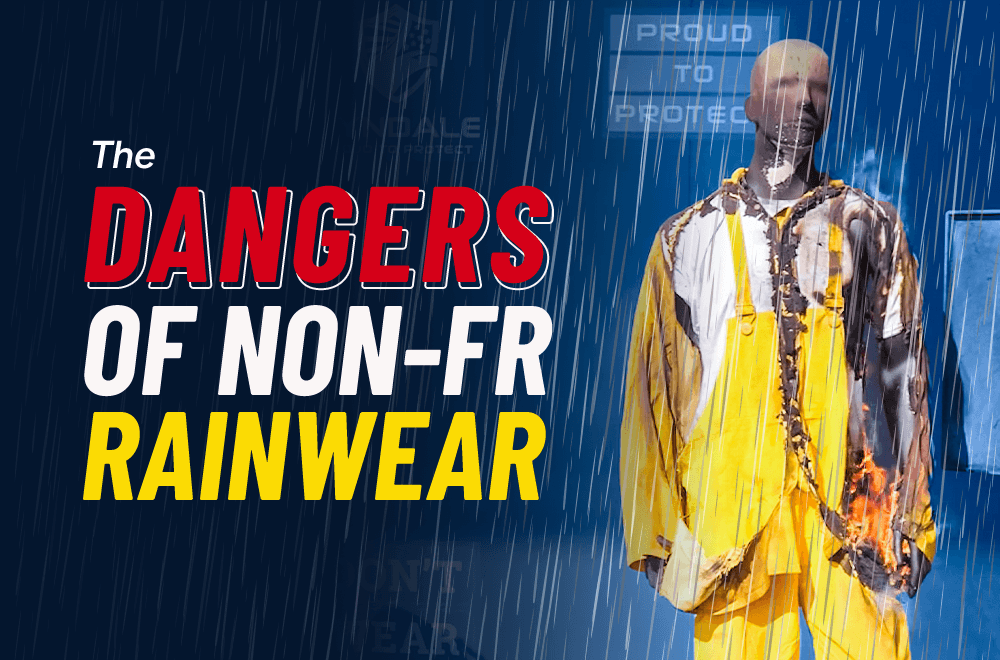
Dangers of Improper Wear Flash Fire: Episode 4 – Consequences of Wearing the Wrong Rainwear

Flame resistant (FR) rainwear that meets the proper ASTM standard is essential for anyone working in an environment with potential flash fire hazards. However, not all rainwear labeled as flame resistant is created equal. Read on to understand why it’s crucial to wear rainwear that meets ASTM F2733: the Standard […]
December 2, 2022

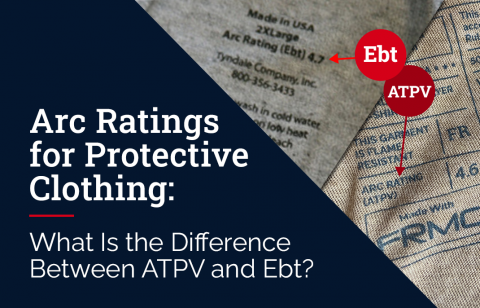
Arc Ratings for FR Clothing: What is the Difference Between ATPV and EBT?

To better understand arc ratings – what they are and the difference between the two ways they are measured – we define them below and link back to Tyndale’s Arc Week Season 3, which covers the science behind all things arc flash. What is an Arc Rating? Simply put, an […]
September 14, 2021

The Dangers of Improper Wear: Episode 6 – Consequences of Using the Wrong Rainwear Standard

Dress Confidently for Arc-flash Hazards with ASTM F1891-Rated Protective Rainwear Before you invest in arc-rated or flame resistant (AR / FR) rainwear it is important you’re aware of the standard that the garment passes to allow it to make its FR claim. Specifically, rainwear tested to ASTM D6413, the “Vertical […]
April 16, 2021

Which Standards Should My FR Rainwear Pass?

If you’re specifying or purchasing arc-rated and flame resistant (AR / FR) rainwear, it’s critical that you know which standards are used to make compliance claims. Tyndale strongly recommends against accepting or purchasing FR rainwear that is only using ASTM D6413, the vertical flame test, to make those claims. Which […]
April 13, 2021

How It’s Tested: Episode 14 – ASTM F2733 for Flash Fire Rainwear

Our How It’s Tested series recently covered why ASTM F1891 is the critical compliance criteria specific to arc-rated (AR) rainwear, so this week we’re covering the flash fire rainwear equivalent – ASTM F2733. ASTM F2733 is the standard specification for flame resistant (FR) rainwear for protection against flame hazards. Beware […]
April 6, 2021

How It’s Tested: Episode 13 – Why ASTM F1891 is the Critical Compliance Criteria for AR Rainwear

ASTM F1891 is the Standard Specification for Arc rated (AR) and Flame Resistant (FR) Rainwear – and you don’t want to confuse it with ASTM F 1506 (AR Clothing) or D6413 (Vertical Flame). ASTM F1891 provides test methods, performance criteria and purchasing information for rainwear designed to protect workers from […]
March 26, 2021

Does a Non-FR Base Layer Count Toward Arc Rating?

Questioning whether or not your non-flame resistant (non-FR base layer counts towards a system arc rating? This blog post gives you the answer and helps you determine the proper garments to wear as a base layer when calculating a layered arc rating. The answer is no – a non-FR base […]
March 16, 2021

How It’s Tested: Episode 10 – The Pass/Fail Tests in NFPA 2112

We’re breaking down the various tests in NFPA 2112 for flash fire protection. Now that we’ve taken a closer look at “the Manikin Test” (ASTM F1930) – the most well-known of the tests, we’re turning our attention to the other three main fabric tests in the standard. Scott Margolin, Vice […]
March 2, 2021

How It’s Tested: Episode 8 – The Basics of NFPA 2112

If you’re working in an environment where you are at risk of being exposed to a flash fire (a sudden, intense fire which is short in duration but severe in potential danger) you should be aware of the flash fire protection standards set in place to keep workers safe. NFPA […]
February 2, 2021

How It’s Tested: Episode 4 – ASTM F1506, Part 1: The Big Two Tests for Arc Protection

One of the main standards for arc flash-protective clothing is ASTM F1506, Standard Performance Specification for Flame Resistant and Electric Arc Rated Protective Clothing Worn by Workers Exposed to Flames and Electric Arcs. But don’t be distracted by its long formal name. Known more commonly as “the Arc Standard” or […]
January 19, 2021

How It’s Tested: Episode 2 – The Vertical Flame Test, Straight Up

The Vertical Flame Test, ASTM D6413, determines whether a fabric is flame resistant or not, which makes it the test when it comes to arc rated and flame resistant (AR / FR) apparel. It’s important to note that there are other “flame resistance” tests in the market but ASTM D6413 […]
August 21, 2020

How Do I Know What AR/FR Rainwear Is Right For Me?

The NOAA’s Climate Prediction Center has forecasted another above-normal Atlantic hurricane season in 2021, after increasing the number of storms considered “average” in the Atlantic basin, with a possible return of La Nina later in the 2021 season. COVID-19 continues to play a role in the global supply chain this […]
July 20, 2020

Understanding the Difference Between NFPA® 2112 & 2113 Standards

Two safety standards well-known in the Flame Resistant (FR) clothing industry are NFPA® 2112 and NFPA® 2113. While you may have heard of them, most important is understanding the difference between the two. NFPA 2112 specifies performance requirements of the FR fabrics, while NFPA® 2113 is a companion standard to […]
July 13, 2020

What Should I Look For In AR/FR Rainwear?

This is the final post in a three-part series examining the 2020 hurricane season and the importance of  protecting workers with the right AR / FR rainwear promptly – particularly as COVID-19 has impacted supply levels. Review the season projections in our first post, and explore quality products and service […]
July 6, 2020

AR/FR Rainwear You Can Trust for Hurricane Season

This is the second post in a three-part series examining the importance of protecting workers with the right AR / FR rainwear during the 2020 hurricane season particularly as COVID-19 has impacted supply levels. Review the season projections in our first post, and look out for our next post to […]
June 29, 2020

How to Get Ahead of Hurricane Season

The NOAA’s Climate Prediction Center has forecasted another above-normal Atlantic hurricane season in 2021, after increasing the number of storms considered “average” in the Atlantic basin, with a possible return of La Nina later in the 2021 season. COVID-19 continues to play a role in the global supply chain this […]
February 27, 2020

Does My AR/FR Rainwear Meet The Right Standard?

Note: We cover this topic in a more recent post: Which Standards Should My AR / FR Rainwear Pass? Shopping for arc-rated and flame resistant (AR/FR) rainwear? Take a VERY close look at the label. Some rainwear sold on the market as flame resistant is tested and labeled to comply […]
February 17, 2020

Outfitting Your Workers With The Right Safety Gloves Is All In Your Hands

Tyndale often supplies protective gloves to its managed program customers. Tyndale offers a fully managed glove program to support internal tracking of employee protective glove purchases and avoid over spending. To ensure a wide variety of cut resistant, arc rated, and fire resistant gloves for your company’s specific on-the-job hazards, […]
October 25, 2019

Is Bug Spray Safe to Use on FR Clothing?

There are many questions around bug spray and FRC: Is it safe? Which ones are safe? How do I know for sure? Read on to find answers and watch our video below, featuring Tyndale’s Vice President of Technical, Scott Margolin, as he provides clarity in just over a minute. Is […]
July 11, 2019

How to Read an Arc Rating Report

When you face arc flash hazards on the job, it’s essential to choose arc rated, flame resistant garments that offer you sufficient protection against the risk. In most cases, you use an Arc Rating or CAT level to determine which garments will protect you from the level of hazard present […]
June 25, 2019

NFPA 2112 Pass/Fail Test Series Part 3: The Vertical Flame Test

Welcome to our four-part blog series about the pass/fail testing requirements for NFPA 2112 compliance. NFPA 2112 is also known as the “flash-fire standard,” and there are four tests which a garment or fabric must pass to receive this accreditation. Watch Tyndale’s VP of Technical Scott Margolin describe this test […]
June 19, 2019

Rainwear Alert: How ASTM F2733 and ASTM D6413 Apply to FR Rainwear

We’ve all experienced it – waking up to rain or seeing a storm cloud in the forecast. Normally, wet weather prompts you to grab an umbrella or rain jacket. But for anyone required to wear flame resistant clothing (FRC) on the job, there are other considerations. You must ensure your […]
May 14, 2019

What Does ASTM 1506 Compliant Really Mean?

ASTM 1506, Standard Performance Specification for Flame Resistant and Electric Arc Rated Protective Clothing Worn by Workers Exposed to Flames and Electric Arcs, is the governing ASTM standard for flame resistant clothing for protection from arc flash. But what does 1506 compliance actually mean? Fabrics must pass two main requirements […]
April 22, 2019

What is the Definition of Flame Resistant?

You may have heard the term Flame Resistant. You may even wear FR clothing on the job. But have you ever heard an expert describe the science that keeps you safe on the jobsite? Watch Tyndale’s VP of Technical, Scott Margolin define Flame Resistant, highlight the testing system, and even […]
January 8, 2019

Important Changes to NFPA 2112 – 2018 Edition

NFPA 2112, Standard on Flame Resistant Clothing for Protection of Industrial Personnel Against Short-Duration Thermal Exposures from Fire, was revised and an updated edition was issued earlier this year. Below, we provide an overview of the important changes: Updated Title and New Terminology One of the biggest changes in the […]
September 20, 2013

Using Fabric Softener with FRC Clothing: Should You or Shouldn’t You?

This blog post is the third, and final, part of a 3-part series. Previously in September, we covered How to Wash FR Clothing and its Useful Wear Life and Laundering Myths: Is Lint Contamination Really a Threat to Your FR Clothing?  Using fabric softener on FRC has been questioned over […]
August 13, 2013

A Guide to Understanding Industry Hazards

Protective clothing and safety apparel can benefit workers in a variety of industries, so it is important to understand the risks and specific industry hazards employees face at their jobs. While both an electric arc flash and flash fire can be fatal, the duration and temperature at which these two […]
July 30, 2013

NFPA 2112 and Compliance with OSHA 1910.132 FRC Flash Fire Memo

This is the second post of a four-part series where we cover recommendations for compliance with OSHA 1910.132 FRC Flash Fire Memo.  The first option for garment specification that would meet OSHA 1910.132 standard requirements is the threshold that garments meet NFPA 2112. NFPA 2112 specifies the minimum design, performance, […]
July 26, 2013

Recommendations for Compliance with OSHA 1910.132 FRC Flash Fire Memo

This is the first post of a four-part series where we will cover recommendations for compliance with OSHA 1910.132 FRC Flash Fire Memo.  The following information is intended to provide insight into compliance with the March 19, 2010 Enforcement Policy Letter issued by OSHA for compliance with OSHA 1910.132 as […]
✕