



October 6, 2026
Is Your Rainwear Compliant With the Right ASTM Standard?
May 29, 2026
Inclement weather creates additional hazards for workers, making even routine jobs more dangerous. It’s critical to understand the risks and why the proper ASTM certification for rainwear is required.
ASTM D6413 vs. ASTM F1891 and ASTM F2733: Why It Matters
When you’re looking for rainwear to keep you safe and comfortable on the job, you might think that the garment’s waterproofing technology is its most important feature. However, for workers exposed to arc flash and flash fire hazards, not all rainwear is created equal.
Check the label on your rainwear: is it compliant with standards ASTM F1891 or ASTM F2733? If not, it is not appropriate for the hazard and will not provide adequate protection from arc flash or flash fire.
If rainwear claims to be arc-rated and flame resistant (AR/FR) but is only compliant with ASTM D6413, also known as the vertical flame test, it is not truly rated for arc-flash or flash fire hazards. ASTM D6413 does not utilize appropriate equipment to evaluate rainwear fabrics against arc flash or flash fire, and many fabrics that "pass" the ASTM D6413 test melt or burn when exposed to these hazards.
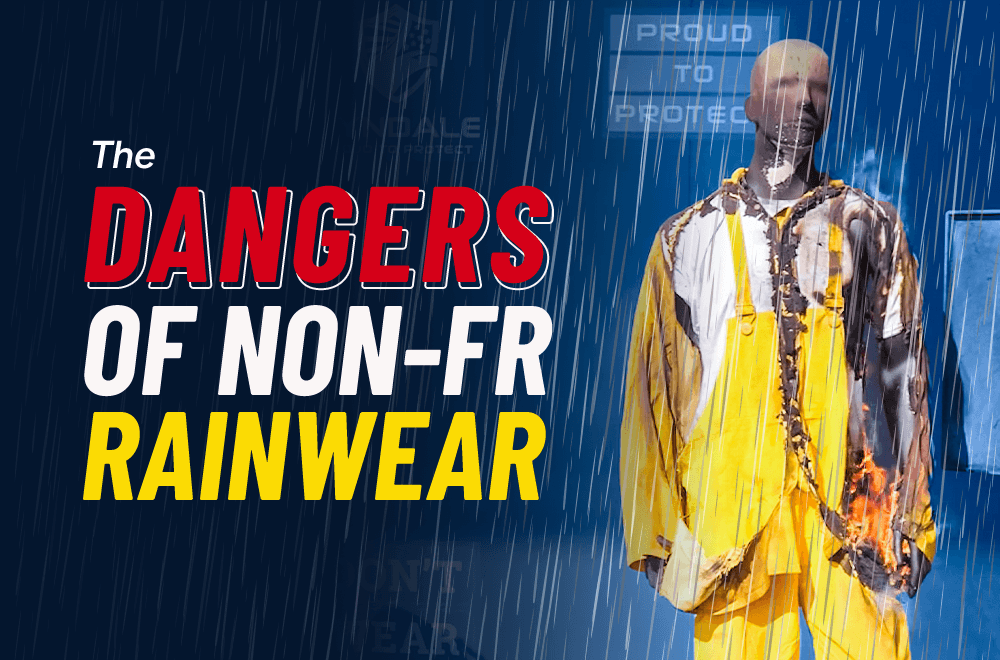
Rain jackets and bibs compliant with ASTM D6413 or those made from non-FR material can severely increase the risk of injury during an arc flash or flash fire event. That’s why it’s important for both workers and safety managers to ensure that all rainwear is ASTM F1891 or ASTM F2733 compliant.
In this video we explain:
- Risks associated with inappropriate rainwear
- ASTM standards that govern arc-rated and flame resistant (AR/FR) rainwear
- How you can best stay protected while working in wet conditions
What is AR/FR Rainwear?
AR/FR rainwear is designed to protect workers against arc flash and flash fire hazards while also repelling rain and other wet weather conditions. Unlike standard rainwear, AR/FR rainwear is tested to meet standards ASTM F1891 for arc flash, which protects against arc flash hazards, and ASTM F2733 for flash fire, which protects against flash fire hazards.
AR/FR rainwear is designed to:
- Resist ignition
- Self-extinguish after arc-flash/flash fire exposure
- Reduce the transfer of thermal energy to the skin
- Maintain protective properties in wet weather
For workers exposed to arc flash or flash fire hazards, rainwear compliant with ASTM F1891 or ASTM F2733 is a critical piece of PPE.
What is Non-Compliant Rainwear?
Conventional waterproof gear is designed to repel rain, snow, and other wet conditions but is not rated to protect against arc flash or flash fire hazards. Most standard rainwear is manufactured from synthetic materials like polyester, nylon, or PVC, which can easily melt or ignite when exposed to high heat or electrical arcs.
Remember, rainwear that is only compliant with ASTM D6413 is not actually protective against arc-flash or flash fire hazards. If you are exposed to these hazards, your rainwear needs to be compliant with ASTM F1891 or ASTM F2733.
The Dangers of Wearing Inappropriate Rainwear
Wet weather and storms often increase the risk of hazard exposure for electrical workers. Wearing non-compliant rainwear might keep you dry but it will not protect you against hazard exposure.
During an arc flash event, temperatures can exceed 35,000°F, which is hot enough to instantly ignite or melt most standard or non-compliant rainwear.
Rainwear that is not ASTM F1891 compliant can:
- Melt onto the skin
- Ignite and continue burning
- Increase burn severity and depth
- Compromise the performance of any underlying PPE
What Standards Require AR/FR Rainwear?
The following standards and regulations cover PPE requirements for workers who may be exposed to arc flash or flash fire hazards on the job.
NFPA 70E Requirements for Protective Apparel
NFPA 70E Standard for Electrical Safety in the Workplace requires workers exposed to arc flash hazards to wear arc-rated clothing and additional PPE that meets or exceeds the incident energy exposure of the job.
NFPA 70E helps employers:
- Assess electrical hazards
- Determine appropriate PPE
- Establish compliant jobsite safety practices
- Reduce the risk of injury for workers
It’s also important to note that this standard applies to outerwear—rainwear worn over arc-rated garments must also be arc-rated if workers are potentially exposed to arc-flash hazards.
ASTM F1891, Standard Specification for Arc and Flame Resistant Rainwear
ASTM F1891 is the standard that establishes specifications for AR/FR rainwear, and tests for:
- Arc thermal performance
- Flame resistance
- Post-arc behavior
- Garment integrity after exposure
Rainwear that is ASTM F1891 compliant provides protection that is specifically designed for electrical hazard exposure.
ASTM F2733, Standard Specification for Flame Resistant Rainwear for Protection Against Flame Hazards
ASTM F2733 is the standard that establishes specifications for rainwear used to protect workers from flash fires, and tests for:
- Thermal protection
- Flame resistance
- Flash fire protection
- Garment integrity after exposure
Rainwear that is ASTM F2733 compliant ensures protection for workers potentially exposed to flash fire hazards.
Who Should Wear ASTM F1891 or ASTM F2733 Compliant Rainwear?
Any worker exposed to energized equipment or potential arc flash or flash fire hazards should be wearing AR/FR rainwear while working in wet conditions.
This includes:
- Utility line workers
- Electrical contractors
- Substation technicians
- Storm restoration crews
- Industrial electricians
- Renewable energy technicians
Wet Weather Doesn’t Reduce Risk
Rain, snow, sleet, and other wet weather does not eliminate electrical hazards. In fact, in most cases, inclement weather increases urgency, reduces visibility, and creates more complex working conditions overall.
Wearing compliant rainwear ensures that workers stay thoroughly protected from arc flash and flash fire hazards—without sacrificing waterproof performance or mobility.
How to Choose the Right AR/FR Rainwear
Safety managers and workers should evaluate AR/FR rainwear carefully to ensure proper compliance and comfort. Consider the following questions:
- What is the garment’s arc rating and does it meet or exceed the incident energy exposure?
- Is it compliant with ASTM F1891 or ASTM F2733?
- How does it integrate with my existing PPE?
- Is it waterproof and breathable?
- Does it allow freedom of movement?
- Is it high visibility?
- Is it comfortable enough that workers will wear it consistently?
Proper protection is key, but comfort and usability matter too. PPE only works when workers wear it correctly and consistently.
Why Safety Leaders Trust Tyndale
For more than 40 years, Tyndale has helped organizations build safer, more compliant teams through industry-leading managed clothing programs.
As a trusted resource for electrical safety education and compliant PPE, Tyndale provides:
- Expert guidance on NFPA 70E compliance
- Extensive AR/FR rainwear options
- Managed apparel programs
- Educational resources and training
- Industry-leading innovation in arc-rated PPE
Wet weather can strike at any time. If you’re looking for ASTM F1891 or ASTM F2733 compliant rainwear, Tyndale has the protective options you need to stay safe today and in the future.