





October 30, 2026
Arc Flash Incidents Reported in the News Highlight Ongoing Electrical Safety Risks
October 6, 2026
When arc flash incidents appear in the news one at a time, they can seem isolated. Viewed together, they tell a more concerning story.
Tyndale found 18 arc flashes that made the TV news over the 17 months since OSHA released the new arc flash guidance involving commercial and industrial electricians, resulting in 43 injuries and at least two known fatalities. The vast majority of arc flashes never make the news; experts estimate at most 1%. These public incidents thus represent only a tiny fraction of the true totals in the USA.
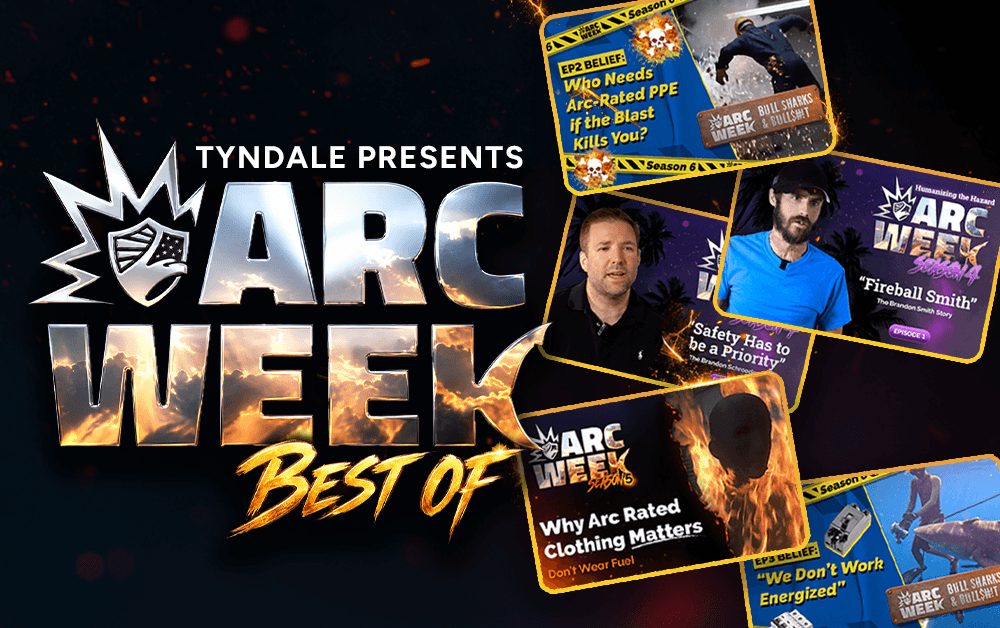
In this short video, Tyndale VP of Technical Scott Margolin explains what these incidents reveal about energized-work decisions, clothing choices, and the need to keep arc flash prevention a priority.
Arc Flash Injuries Since OSHA Guidance:
The Truth Behind the Headlines
The numbers tell a troubling story—but what can safety leaders learn from them? Join Tyndale’s arc flash expert to explore OSHA’s latest guidance, what 17 months of reported incidents reveal, and how properly selected AR PPE can help break the pattern.
Arc Flash Protection Begins Before PPE
Arc flash hazards remain a serious concern for commercial and industrial electrical workers. NFPA 70E has addressed arc flash for decades, and recent OSHA arc flash guidance has brought renewed attention to the risks associated with energized electrical work. The central safety message is straightforward: avoid energized work when it is not justified, do not wear flammable clothing – INCLUDING 100% COTTON; wear arc-rated clothing.
Reported Arc Flash Incidents Show the Stakes of Energized Work
OSHA’s arc flash guidance addresses the two leading causes of arc flash injuries and fatalities in the United States today:
- Workers knowingly performing energized work without appropriate PPE
- Workers performing work without PPE because they believe it has been de-energized
Both scenarios reinforce a critical point: electrical work can carry serious consequences when hazard controls and appropriate PPE are not in place.
Since OSHA released the guidance, Tyndale has identified 18 arc incidents involving commercial and industrial electricians that appeared in U.S. news reports. Those reported incidents injured 43 people and resulted in at least two known fatalities.
While news reports represent only the incidents that become publicly visible, the documented cases alone underscore why arc flash prevention, verification of de-energized equipment, safe work practices, and appropriate arc-rated PPE remain essential priorities for employers and electrical workers.
The Arc Flash Incidents You Hear About ARE Just the Tip of the Iceberg
Because the true reporting percentage is uncertain, extrapolating a precise national incident total from media coverage would be speculative. What the available examples do demonstrate is that serious arc events continue to occur and can affect multiple workers at once.
For safety leaders, that is a reason to focus less on estimating unreported events and more on reducing exposure wherever possible.
The First Priority: Avoid Unnecessary Energized Electrical Work
One of the strongest takeaways is also one of the simplest: Do not perform unjustified energized work. This means energized work decisions should receive serious attention from:
- EHS and safety teams
- Electrical supervisors
- Operations leaders
- Maintenance organizations
- Risk managers
- PPE program administrators
- Procurement teams supporting electrical workers
Organizations should prioritize de-energizing equipment and eliminating exposure wherever possible. When an arc flash hazard remains, electrical safety processes should ensure workers are protected with the appropriate procedures and PPE for the identified hazard.
Why Clothing Matters During an Arc Flash
When energized work must be performed, clothing becomes a critical part of the worker's protection strategy. That’s where the phrase “don’t wear fuel” comes in.
“Don’t wear fuel” means avoiding clothing that can ignite, melt, or continue burning during an arc flash or flash fire. When workers are exposed to an arc flash hazard, appropriate arc-rated clothing is designed to help reduce the severity of burn injuries rather than contribute additional fuel to the event.
Workers exposed to an arc flash hazard should never assume ordinary work clothing, including 100% cotton, provides protection. Only arc-rated clothing is protective or compliant.
An arc flash can generate intense thermal energy in a fraction of a second. If clothing is flammable, it will contribute to the severity and extent of injury rather than help protect against it.
That is why arc-rated clothing matters. Properly selected AR clothing is designed for electric arc exposure and should be matched to the specific hazard workers face.
What Employers Should Take from These Incidents
The reported arc flash events are a reminder that electrical safety programs cannot become routine paperwork exercises. Policies, training, hazard assessments, and PPE requirements only protect workers when they translate into sound decisions and consistent practices in the field.
Organizations responsible for workers who may encounter electrical hazards should continually evaluate whether their programs are helping employees recognize hazards, avoid unnecessary energized work, verify equipment is in an electrically safe condition, and wear appropriate protection when exposure remains.
Non-AR/FR Clothing Can Become Part of the Injury
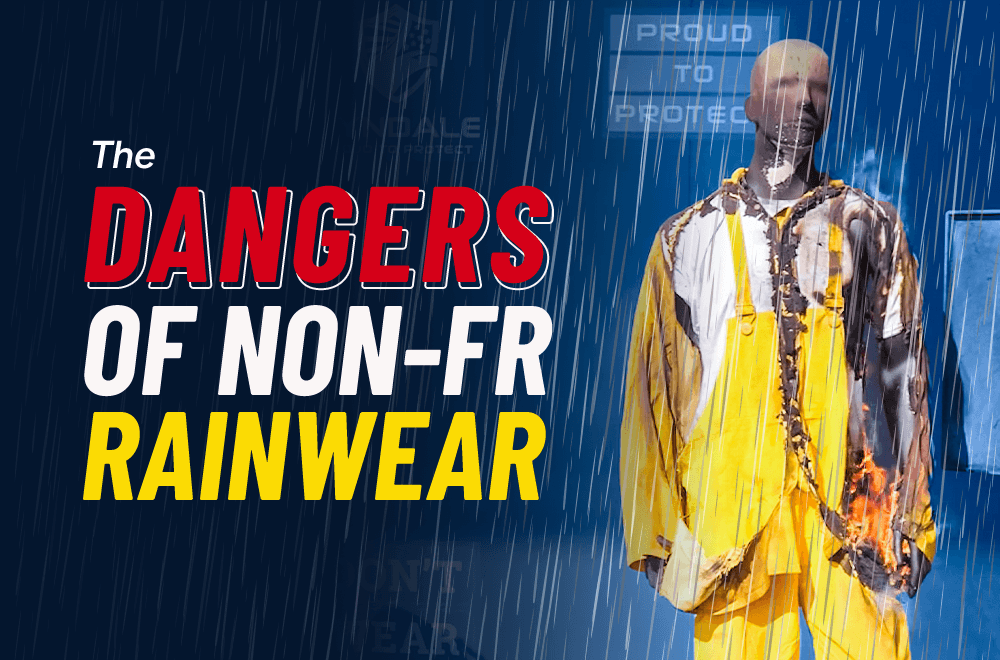
One of the most important lessons for employers is that clothing itself can significantly affect the outcome of an arc flash event. OSHA states that most arc-flash burn injuries result from the arc igniting flammable clothing rather than from the arc itself. In other words, the initial arc is brief, but clothing that ignites can continue burning after the arc has ended—extending the worker’s exposure to heat and potentially increasing the severity and extent of burn injuries.
That makes clothing selection more than a uniform or comfort decision. Employers should ensure workers who face an identified arc flash hazard are not wearing clothing that can become an additional source of injury and that required arc-rated PPE is appropriate for the hazard.
Before PPE, Eliminate the Hazard: OSHA and NFPA 70E on De-Energization
The priority remains to eliminate the electrical hazard by de-energizing whenever possible. When exposure cannot be eliminated, properly selected arc-rated clothing serves as an important last line of defense.
- OSHA’s general-industry electrical standard states that exposed live parts must be de-energized before employees work on or near them, except in limited circumstances where the employer can demonstrate that de-energizing would introduce additional or increased hazards or is infeasible because of equipment design or operational limitations.
- NFPA 70E reinforces this hierarchy by treating establishment of an Electrically Safe Work Condition (ESWC) as a cornerstone of electrical safety. NFPA specifically emphasizes hazard elimination over simply relying on PPE; arc-rated PPE is an important last line of defense, not a reason to default to energized work.
Make Clothing Part of the Electrical Safety Conversation
Electrical safety training often emphasizes procedures, equipment, and work practices. Clothing choices deserve equal attention because workers may otherwise underestimate the role garments can play during a thermal event.
Safety teams should make sure workers understand:
- Why ordinary clothing may be inappropriate for arc flash exposure
- Why arc-rated PPE must correspond to the hazard
- What garment labels and ratings mean
- How required protective clothing should be worn
- Why PPE does not make energized work risk-free
Treat Real Incidents as a Warning Against Complacency
When individual arc flash events appear sporadically in the news, it can be easy to view them as isolated incidents.
Looking at multiple events together tells a different story.
The 18 reported arcs cited in the source resulted in dozens of injuries and at least one known death. Regardless of how many additional incidents did not reach public reporting, the documented events alone provide a strong reason to keep arc flash prevention and worker protection visible in an electrical safety program.
What Electrical Workers Should Remember
For workers, the lesson is not that protective clothing removes the danger of energized electrical work. It does not.
Instead, the message is:
- Avoid energized work when it does not need to be performed.
- Understand the hazards associated with the task before beginning work.
- Wear protective clothing appropriate for the identified arc flash exposure when required.
- Do not assume everyday workwear provides suitable arc flash protection.
- Follow your employer's electrical safety procedures and PPE requirements.
Appropriate PPE can help reduce injury severity, but no garment eliminates the underlying hazard.
Contact us to learn more about our solution for businesses with 200+ and 40-199 wearers.
Have fewer than 40 wearers? Check out TyndaleFRC.com.
FAQ
1What is the main way to reduce arc flash exposure?
The first priority is to eliminate the hazard by de-energizing equipment whenever possible. That includes following proper lockout/tagout (LOTO) procedures and verifying that equipment is in an electrically safe condition before work begins. Protective clothing remains important when an arc flash hazard exists, but PPE should never replace de-energization, LOTO, or other measures that reduce exposure at the source.
2Why is ordinary work clothing a concern during an arc flash?
Clothing that is not appropriate for an arc flash hazard may contribute to injury during a thermal event. Workers exposed to arc flash and flash fire hazards should wear protective clothing selected for the identified exposure and required by their safety program.
3Does arc-rated PPE eliminate the risk of energized electrical work?
No. Arc-rated PPE can help reduce the severity of injury when appropriately selected and worn, but it does not eliminate the arc flash hazard or make energized electrical work risk-free.
4Why should employers pay attention to reported arc flash incidents?
Reported incidents provide real-world evidence that arc flash events continue to injure workers. Reviewing them can reinforce the importance of avoiding unnecessary energized work, maintaining strong electrical safety practices, and selecting appropriate PPE. Remember: the arc flash incidents that make the news aren’t an accurate reflection of all incidents that occur. For every story told, there are several untold or minimized.
5Who should be involved in an arc-flash PPE program?
Depending on the organization, electrical supervisors, EHS professionals, operations teams, maintenance leaders, risk managers, procurement personnel, and workers themselves may all play a role in establishing and maintaining an effective PPE program.
6What should workers know before performing a task with arc flash exposure?
Workers should understand the task's hazards, whether energized work is necessary, what procedures apply, and what PPE is required. They should also understand that appropriate clothing is one part of a broader electrical safety strategy.