



October 6, 2026

Staying Cool and Compliant: What OSHA Says About Heat Stress and AR/FR Clothing
April 28, 2026
Tyndale’s Vice President of Technical, Scott Margolin, explains what new heat stress guidelines from the Occupational Safety and Health Administration (OSHA) mean for safety professionals this season:
What is Heat Stress? Causes, Symptoms, and Risk Factors
Heat stress occurs when the body is not able to cool down effectively, which can lead to fatigue, dizziness, and other serious health problems.
For electrical workers and other safety professionals who work outdoors in extreme temperatures, heat stress can be a very real concern.
According to OSHA, the Centers for Disease Control and Prevention (CDC), and the National Institute for Occupational Safety and Health (NIOSH), heat stress can result from environmental and preexisting physical factors, such as:
- Dehydration
- Lack of shade
- Insufficient rest
- Physical exertion
- Specific medical conditions or medications
OSHA Heat Stress Guidelines (2026): Key Requirements for Employers
OSHA’s latest Heat Stress Guidelines (April 2026), state that if the heat index—which accounts for both temperature and humidity—reaches 80°F in any 60-minute period, employers must have proper training and a plan in place to prevent and recognize signs of heat stress. This plan needs to include:
- Rest
- Shade
- Hydration
- Acclimatization
- Emergency Response
These guidelines also dictate the level of precautions that must be taken depending on how high the heat index rises:
- At 80°F: Workers must have access to drinking water (one quart per hour), adequate shade, and frequent rest breaks.
- At 90°F: Workers must take mandatory 15-minute breaks every 2 hours, and a buddy system for observation should be implemented.
Heat stress is rarely caused by a single factor. Instead, it results from a combination of environmental conditions, workload, hydration levels, and individual health factors—OSHA does not mention AR/FR clothing and PPE as a contributing factor to heat stress in its guidelines.
Does AR/FR Clothing Cause Heat Stress?
In short, no—AR/FR clothing alone does not cause heat stress when carefully selected and worn. Single-layer, breathable AR/FR clothing does not inherently contribute to heat stress—especially when worn properly. In fact, long-sleeve AR/FR garments can actually help reduce heat load by shielding skin from direct sun.
However, keep in mind that heat stress may be worsened if AR/FR clothing is:
- Non-breathable
- Layered excessively/improperly
- Not appropriate for the work environment
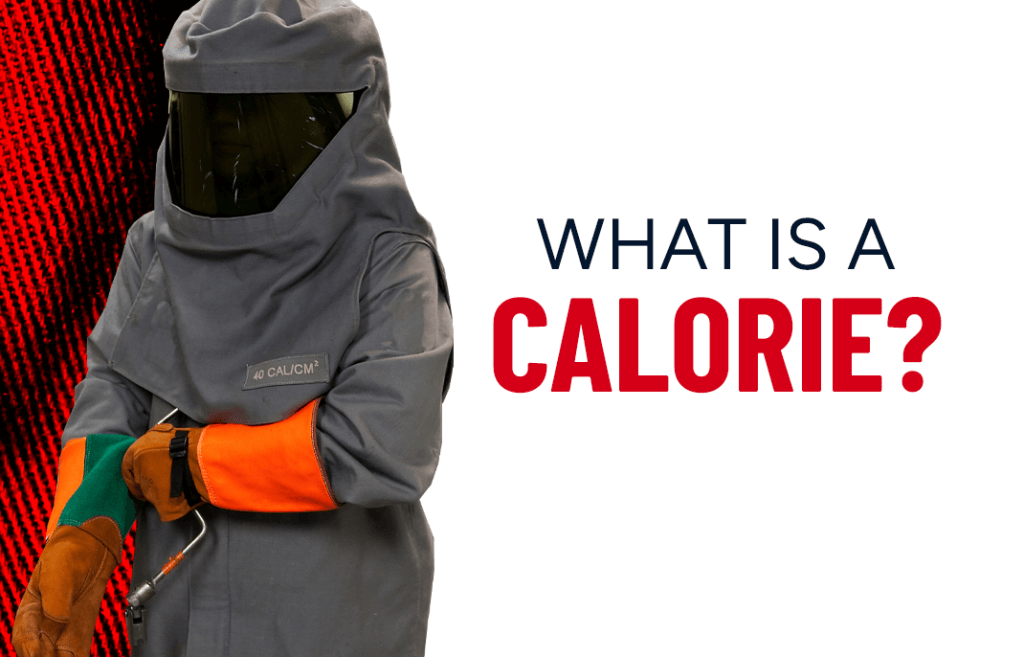
Certain types of multilayer protective apparel, like rainwear and arc flash suits, can increase heat load when worn for extended periods. That is why garment selection and proper wear are critical.
Why Proper Layering of AR/FR Clothing Matters
AR/FR clothing is designed to protect against arc flash and flash fire hazards, but you must understand how to properly build a compliant layering system.
Following this FR clothing layering guide can help you stay cooler and safer on the job:
| Layer | Type of Garment | Characteristics |
|---|---|---|
| Base Layer | Long or short-sleeve tees |
|
| Mid-Layer | Shirts or Knits |
|
| Outer Layer | Jackets, Coveralls, or Sweatshirts |
|
Your mid and/or base layers should always exceed the hazards incident energy level to ensure proper protection.
How to Stay Cool in FR Clothing
Staying safe while working in hot conditions in AR/FR clothing is all about being smart and aware. Keep the following tips in mind:
1. Choose the Right Gear
- Lightweight, breathable garments
- Moisture-wicking FR base layers
- Avoid improper layering
- Arc rating meets or exceeds the hazard
2. Improve Worksite Behaviors
- Take frequent rest breaks in the shade
- Drink water consistently (don’t wait until you feel dehydrated)
- Rotate tasks in the sun when possible
- Understand your body’s limitations
Safety and Staying Cool Go Hand in Hand
When it comes to compliance and comfort, AR/FR clothing is not the problem—it’s about finding the right clothing and wearing it the right way.
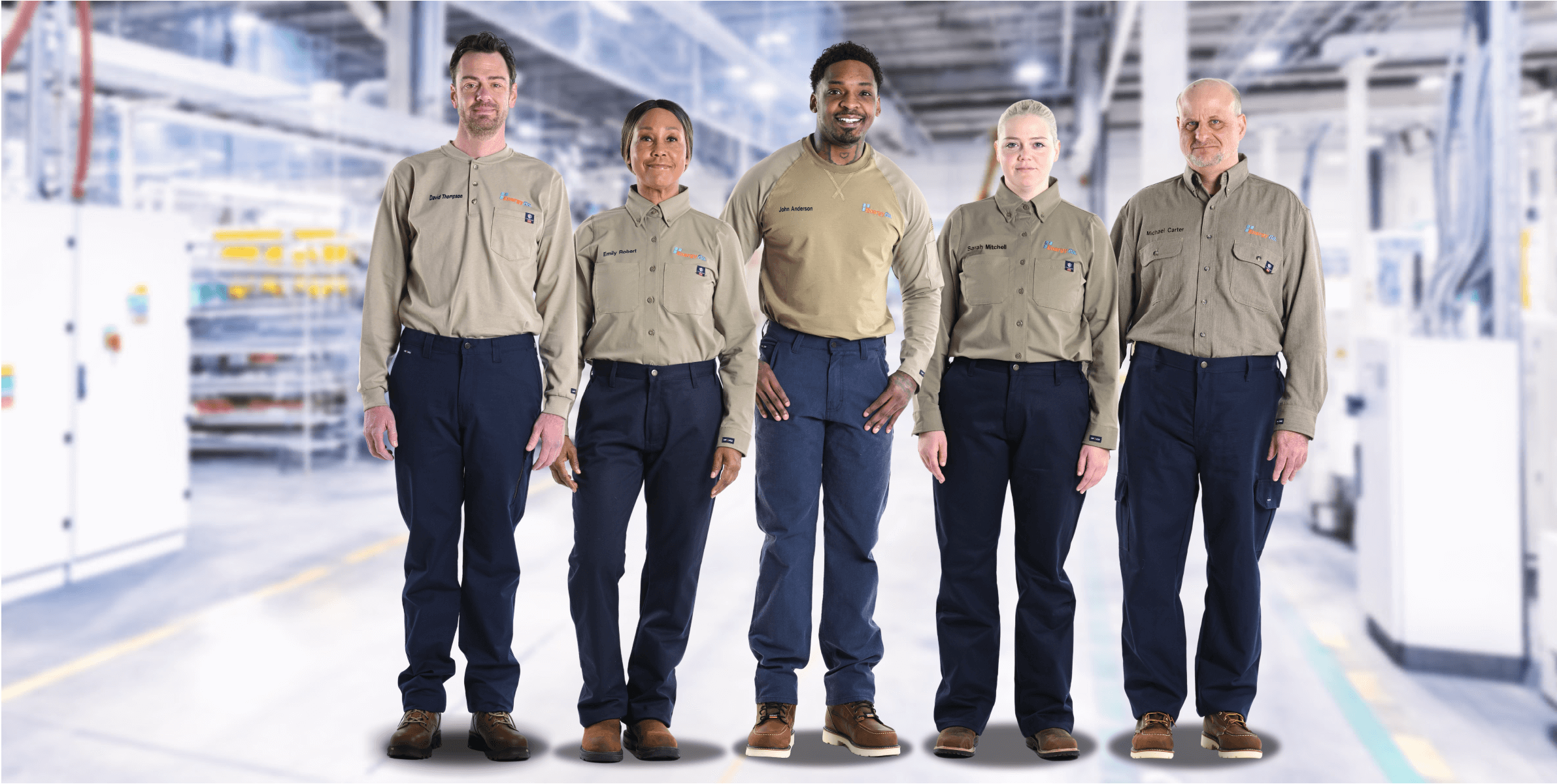
If you’re looking for lightweight, breathable AR/FR apparel for the season ahead, Tyndale has a variety of summer-ready protective gear that will keep you compliant and comfortable on the job.
Ensure yourself and your team stay safe this season by following proper heat stress protocols and FR layering techniques.
Frequently Asked Questions About Heat Stress and FR Clothing
1Does FR clothing cause heat stress?
No. AR/FR clothing alone does not cause heat stress. Heat stress is often caused by several factors like dehydration, lack of shade and rest breaks while working in the sun, and certain health conditions/medications. Breathable AR/FR garments are designed to protect from arc flash and flash fire hazards without increasing heat burden when worn correctly.
2How can you say cool while wearing AR/FR clothing?
You can reduce heat stress while wearing protective clothing by:
- Choosing lightweight, breathable base layers
- Employing proper FR layering techniques
- Staying hydrated and taking frequent breaks in the shade
3Are FR long sleeves hotter than short sleeves?
Not necessarily. Long sleeve FR tops can actually reduce heat stress by protecting your skin from the sun’s radiant heat load.
4Can you remove FR layers in hot weather?
Yes—only if this does not compromise your required level of protection. Remember, the CAT rating of your FR garments should always meet or exceed the hazard.
5What should you wear under FR clothing in hot weather?
AR/FR base layers should be:
- Lightweight
- Breathable
- Moisture-wicking
Avoid non-FR or meltable fabrics like polyester blends that are not arc-rated, as they can easily ignite and increase injury risk.