








October 6, 2026
Fundamentals of Arc Flash: Introduction
January 15, 2025
Arc flash protection starts with understanding one essential fact: electrical work is not truly de-energized unless all required lockout/tagout (LOTO) or electrically safe work condition (ESWC) steps have been completed, including verification before contact. OSHA’s updated arc flash guidance reinforces that workers who interact with live equipment, energized circuits, or equipment that has not been verified as electrically safe may need arc-rated (AR) PPE and safe work practices appropriate to the hazard.
Why OSHA’s Updated Arc Flash Guidance Matters
In November 2024, OSHA released updated arc flash safety guidance to help employers and workers better identify, assess, and reduce arc flash hazards. The guidance is especially important for commercial, industrial, and residential electricians, as well as operators, maintenance personnel, and others who work on or near exposed energized electrical parts. OSHA’s 2024 arc flash materials include employer guidance and worker-facing resources focused on hazard awareness, boundaries, myths, and PPE.
Arc Flash Injuries Remain a Serious Concern
Behind the guidance is a serious concern: preventable arc flash injuries continue to occur among electricians, and the growing demand for electrical work may increase exposure if companies do not strengthen training, hazard assessment, and PPE programs.
“De-Energized” Work Requires Verification
OSHA’s updated materials address common misconceptions about “de-energized” and low-voltage electrical work. Work should not be treated as de-energized unless the required lockout/tagout or electrically safe work condition process has been completed, including physical isolation, lockout, verification, and appropriate testing before contact.
Low-Voltage Work Can Still Require Arc Flash Protection
For many employers, this guidance may expand the number of tasks for which arc-rated clothing and other PPE are required. Companies that already recognize electrical hazards should review whether their assumptions about de-energized work, low-voltage equipment, and daily PPE use are still valid.
Employers Have an Opportunity to Close the Safety Gap
Hundreds of thousands of electricians and electrical workers perform tasks that may involve energized equipment or equipment that has not yet been placed into an electrically safe work condition. Many have not historically considered arc flash risk during these tasks. OSHA’s updated guidance creates an opportunity for employers to close that gap through education, hazard assessment, and appropriate arc-rated PPE.
Whether you are brushing up on arc flash protection or learning about the hazard for the first time, this series provides a practical foundation for understanding arc flash risk, arc ratings, PPE selection, analysis, and safer work practices.
Start with the Fundamentals of Arc Flash Protection
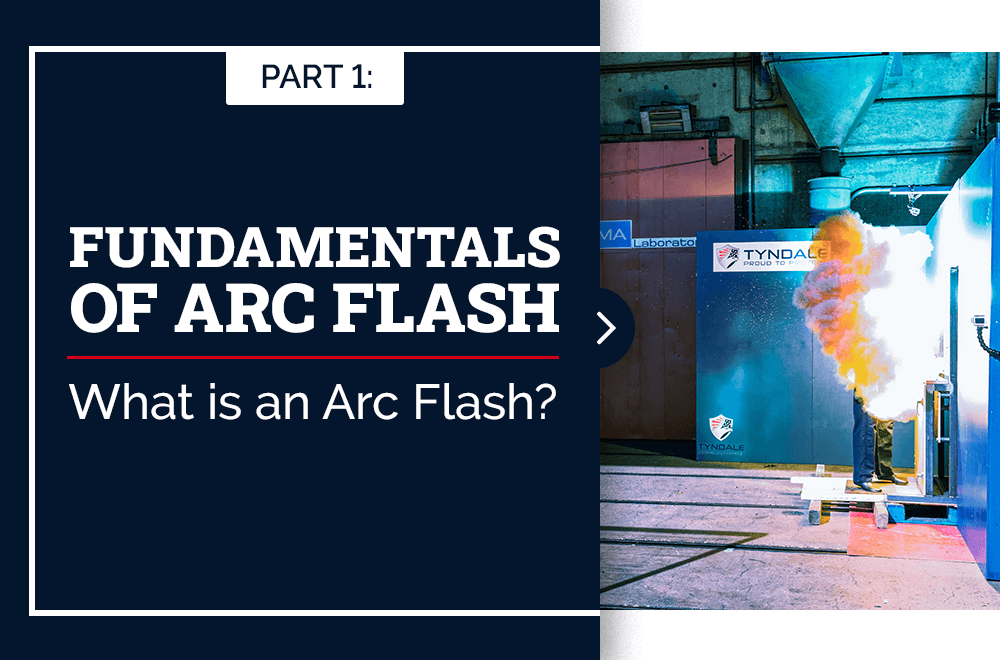
Episode 1: What is an Arc Flash?
An arc flash is a sudden release of energy caused by an electrical fault through air. This episode explains what an arc flash is, how it can happen, and why the resulting heat, pressure, light, and molten metal can cause severe or fatal injuries.
You will also learn how safer work practices, hazard assessment, and properly selected AR/FR clothing help reduce burn injury risk when energized work cannot be avoided.
Episode 2: What is an Arc Rating?
An arc rating measures the level of thermal protection provided by arc-rated clothing or PPE when exposed to arc flash energy. This episode explains why arc ratings matter, how they relate to incident energy, and why PPE must be selected to meet or exceed the assessed hazard.
Episode 3: Which Type of Arc Rating Best Measures Protection?
This episode explains the difference between ATPV and EBT arc ratings and how each is used to evaluate AR/FR clothing performance. Learn why both ratings can indicate effective protection when the garment’s arc rating is properly matched to the hazard.
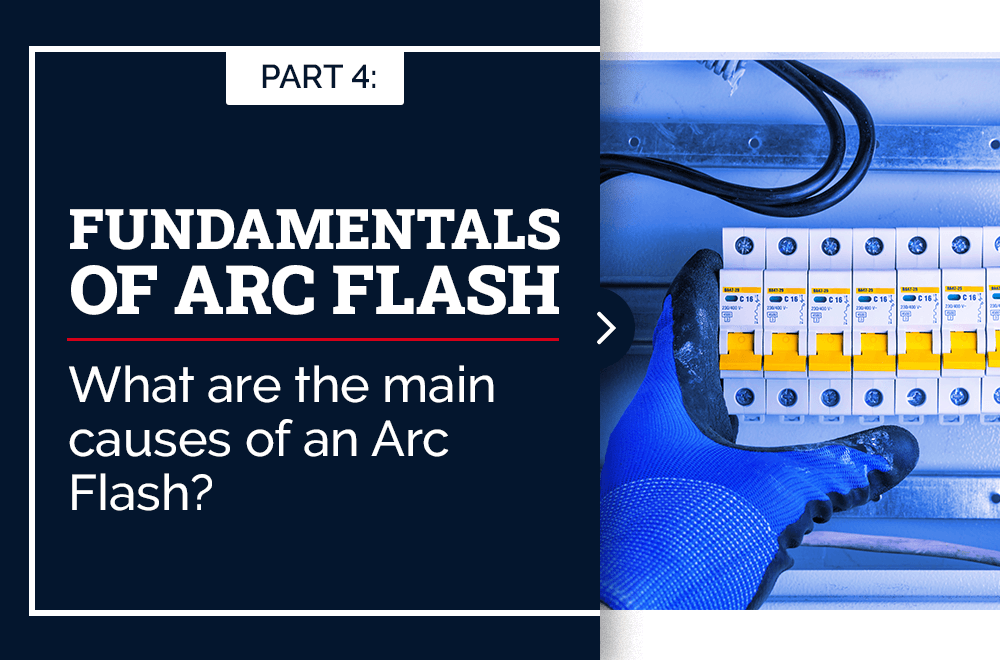
Episode 4: What are the Main Causes of Arc Flash?
Arc flash events can result from human error, equipment failure, improper maintenance, contamination, dropped tools, environmental conditions, or unexpected contact with energized parts. This episode reviews common causes and practical steps employers can take to reduce risk.
Episode 5: How Hot is an Arc Flash?
Arc flash temperatures can be extreme and may exceed the surface temperature of the sun. This episode explains why heat is such a serious concern and how AR/FR clothing, proper layering, and hazard-based PPE selection help reduce the risk of catastrophic burn injury.
Episode 6: What is Arc Flash Analysis?
An arc flash analysis, often part of an arc flash risk assessment, evaluates an electrical system to estimate potential incident energy, establish arc flash boundaries, support labeling, guide PPE selection, and inform electrical safety training.
OSHA and consensus standards such as NFPA 70E emphasize the importance of assessing electrical hazards, using safe work practices, and selecting PPE appropriate to the hazard. OSHA’s arc flash guidance specifically addresses hazard prevention, administrative controls, and PPE including arc-rated and flame-resistant clothing.
Collaborating to Reduce Arc Flash Injury Rates
Tyndale is here to support the industry in understanding the arc flash hazard and protecting workers.
TAKE THE NEXT STEP
Contact us to explore comfortable arc-rated clothing and service solutions that make compliance easy for companies of any size.
READY TO ORDER?
Order now to make sure you have all the arc-rated clothing and PPE you need to stay safe.
Frequently Asked Questions About Arc Flash Protection
1What is arc flash protection?
Arc flash protection includes the safe work practices, hazard assessments, training, boundaries, labeling, and arc-rated PPE used to reduce the risk of injury from an arc flash event.
2Is low-voltage electrical work still an arc flash risk?
Yes. Low-voltage work can still present arc flash risk depending on the equipment, available fault current, task, maintenance condition, and whether the system has been placed into an electrically safe work condition.
3When is electrical work considered de-energized?
Electrical work should not be treated as de-energized until required lockout/tagout or electrically safe work condition steps have been completed, including verification that energy has been removed.
4What does arc-rated clothing do?
Arc-rated clothing is tested to provide thermal protection during an arc flash exposure and is selected based on the hazard level identified through an assessment.
5Why is an arc flash analysis important?
An arc flash analysis helps determine potential incident energy, PPE requirements, arc flash boundaries, and labeling needs so workers can be protected appropriately.